Piraeus
Wide choice of Cycladic and Saronic routes. A practical starting point from central Athens.
Common examples: Paros · Naxos · SyrosA complete guide to ferry ports, beautiful island routes, transport tips and relaxed 7-14-day itineraries.
Athens is one of the easiest starting points for a Greek island adventure, but the first decision is not which ferry to book. It is which islands belong together. A thoughtful route can mean leisurely days in seaside towns, a few simple ferry crossings and time to explore. A rushed one can mean early check-outs, long transfers and more hours on boats than beaches.
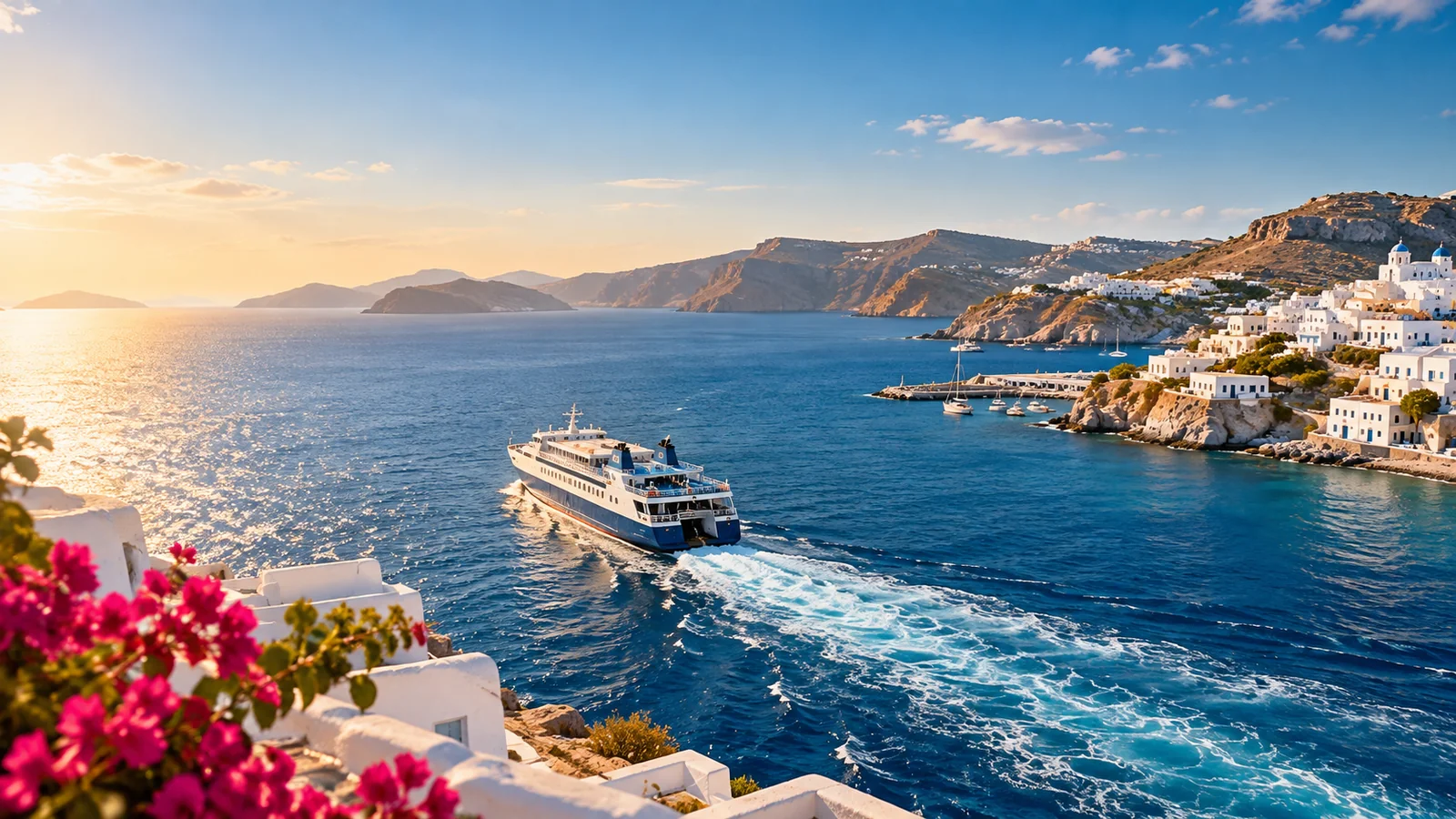
This guide explains the three main ferry ports serving Athens, the island groups that make sense for a first trip, how to compare ferry options, and realistic seven-, ten- and fourteen-day routes. The goal is to make the planning feel manageable, even if you have never taken a Greek ferry before.
The short answer: For a first island-hopping holiday, choose two islands in the same part of the Cyclades, such as Paros and Naxos. For a slower, food-focused trip consider Serifos, Sifnos and Milos, but confirm each transfer for your exact dates. If you have two weeks, you can reach farther afield, provided you leave room for a return to Athens before your flight.
Wide choice of Cycladic and Saronic routes. A practical starting point from central Athens.
Common examples: Paros · Naxos · SyrosOften useful for northern Cyclades routes and travellers coming from the airport.
Common examples: Andros · Tinos · MykonosWorth considering when your route begins in the western/northern Cyclades.
Common examples: Kea · KythnosPiraeus is the best-known departure point for Greek island hopping. It serves a broad mix of Cycladic destinations, including Paros, Naxos, Syros, Santorini and routes toward the Small Cyclades and Amorgos. It also serves the Saronic islands and numerous longer-distance destinations beyond the Cyclades.
Piraeus makes sense if you are staying in central Athens before your ferry or want the widest choice of routes. Its scale is both an advantage and a drawback: different ferries depart from different gates, and those gates can be far apart. The port gate printed on your ticket matters far more than simply arriving at a location labelled “Piraeus Port” on a map.
Practical tip: Check the operator's gate information on the day of travel. Allow time to reach the correct entrance, especially with suitcases or children.
Rafina is on the eastern side of Attica, away from central Athens. Its ferry routes frequently focus on Andros, Tinos and Mykonos, with some seasonal services continuing to other Cycladic islands. It can be a good choice when coming from Athens International Airport, but it is not automatically the better choice: transfer arrangements and ferry departure times still determine whether it saves you time.
Rafina can be less overwhelming than Piraeus, yet choosing it for the wrong destination may add unnecessary transfers. Check your complete island route before choosing accommodation near either port.
Lavrio is another port on the eastern side of Attica. It is particularly worth investigating if Kea or Kythnos is your first stop. For the classic Paros–Naxos itinerary, however, Piraeus is usually the more straightforward place to begin researching.
Because travel from central Athens or the airport to Lavrio can take time, factor in the land transfer as well as the sailing. A ferry that looks shorter on paper is not always the easiest door-to-door journey.
For Piraeus, Metro Line 3 connects the airport with Piraeus via central Athens. Not every Line 3 train runs to the airport, and service frequency and hours differ from regular urban metro trains. Check the current airport timetable before deciding that a same-day ferry connection is comfortable. Taxis and airport bus services are alternatives, especially if you have heavy luggage or arrive outside metro operating hours.
For Rafina, KTEL Attikis operates airport–Rafina bus services with schedules that vary by season. Taxis are another option. Check the bus timetable against the ferry departure rather than assuming a bus will arrive when you need it.
For Lavrio, look into regional buses, private transfers or taxis and allow a generous buffer. It is less convenient to treat as a quick, automatic connection from the airport.
Travellers staying in central Athens often find Piraeus the simplest port to reach using the metro, but a route involving Rafina or Lavrio may still be worth the extra transfer for the right ferry. Start with the island and operator, then choose how to get to the departure point—not the other way around.
It is possible, but it comes with risk. International flight delays, baggage collection, traffic, the journey to the port, security and boarding all consume time. A missed ferry can also mean losing a pre-booked hotel night. If your flight arrives later in the day, or you are travelling with young children, an overnight stay in Athens is often a much more relaxed start.
For your return, consider spending the final night in Athens before an international flight. Ferry schedules can change because of weather and other disruptions, so avoid making your entire return home depend on a same-day sailing.
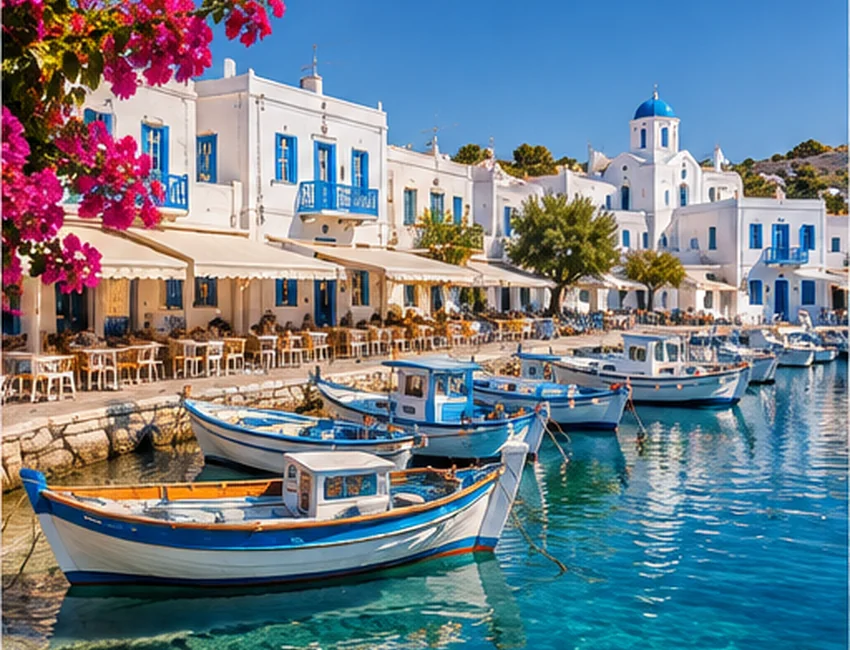
Think of Greece as groups of islands connected by particular sailing patterns, not as one giant network where every island is linked to every other island every day.
Start with two or three must-see experiences: golden sandy beaches, traditional mountain villages, volcanic landscapes, historic towns or lively evenings. Then choose islands that complement each other and are reasonably connected during your travel dates.
The Paros–Naxos pairing works particularly well because the islands offer different strengths and often appear on the same Cycladic routes. Paros is known for Naoussa, Parikia, villages and a sociable atmosphere. Naxos offers long beaches, a walkable main town and substantial inland exploration. You get variety without constantly packing up.
A western-Cyclades route built around Serifos, Sifnos and Milos has a different feel: smaller-scale towns, excellent food and striking landscapes. It can be wonderful, but the sailing schedule must lead the order. If a desired connection does not operate on your date, reorder the islands or simplify your plan.
Avoid treating ferry maps like train maps. Some connections are daily in summer, less frequent in shoulder season or absent altogether at other times. An itinerary is a planning framework until each transfer is checked.
A large conventional ferry can be a comfortable choice if you appreciate outdoor deck space, a steadier-feeling journey and the option to move around. Many have seating lounges, cafés and luggage areas. The trade-off is that the journey can take longer, particularly when the ship makes several island stops.
High-speed ferries can reduce travel time on certain routes and make island hopping more efficient. However, space and deck access vary by vessel; journeys may feel bumpier in rough seas, and schedules can be affected by wind. The fastest crossing is not automatically the best crossing for every family or traveller.
When comparing tickets, look beyond duration: consider the departure port, arrival time, whether an overnight or very early arrival is involved, seating category, luggage requirements and the travel time to your accommodation. A later, slower ferry that arrives at a convenient hour can be a better holiday decision than a speedy but awkward connection.
Days 1–3: Paros. Travel from Athens to Paros and use Parikia or Naoussa as your base. Explore the harbour, enjoy an easy beach day, and make time for Lefkes or another village if transport permits. Keep the arrival day deliberately light.
Days 4–6: Naxos. Take an available ferry to Naxos, settle into Chora or a convenient beach area, then divide your time between the Portara, sandy west-coast beaches and at least one inland village. Naxos rewards a little variety rather than three identical beach days.
Day 7: Return toward Athens. Choose a ferry or flight connection that leaves adequate time for your onward plans. If you have a long-haul flight, reorganize the trip to include the previous night in Athens.
This is our best first-time route because it limits the number of hotel changes and gives both islands enough time to feel like destinations rather than stopovers.
Days 1–4: Paros. Give yourself time for both Parikia and Naoussa, a dedicated beach day and an excursion to Lefkes or nearby Antiparos if the crossing and local transport work for your schedule.
Days 5–9: Naxos. Spend five days exploring Naxos Town, Agios Prokopios and Agia Anna, the Plaka coastline and the villages inland. A longer Naxos stay makes it easier to have a restful day between activities.
Day 10: Athens or onward departure. Plan this day around your actual ferry or flight, and move the Athens return earlier if your international flight requires a safe buffer.
The longer version is especially useful for families, travellers without a car and anyone who prefers lingering over dinner to changing hotels every other day.
Day 1: Athens. Arrive and settle in. Use the day to recover from travel, enjoy the city and check your ferry departure details.
Days 2–5: Paros. Explore the two main towns, beaches and mountain villages at a comfortable pace.
Days 6–9: Naxos. Enjoy long beach days mixed with the old town and countryside.
Days 10–12: Amorgos. Continue if an appropriate connection operates for your dates. Focus on Chora, the dramatic scenery and a slower island atmosphere. Amorgos has two principal ferry ports—Katapola and Aegiali—so confirm which one you will use before booking accommodation or transfers.
Day 13: Return to Athens. Leave room for a long sailing, a change of plans or an alternate route if the timetable requires it.
Day 14: Depart. Having slept in Athens reduces the risk of a weather-affected ferry disrupting your flight home.
This route is more adventurous and only makes sense after checking both the Naxos–Amorgos connection and your return to Piraeus. If schedules are awkward, drop the third island and extend your stays on Paros and Naxos. Longer is not automatically better.
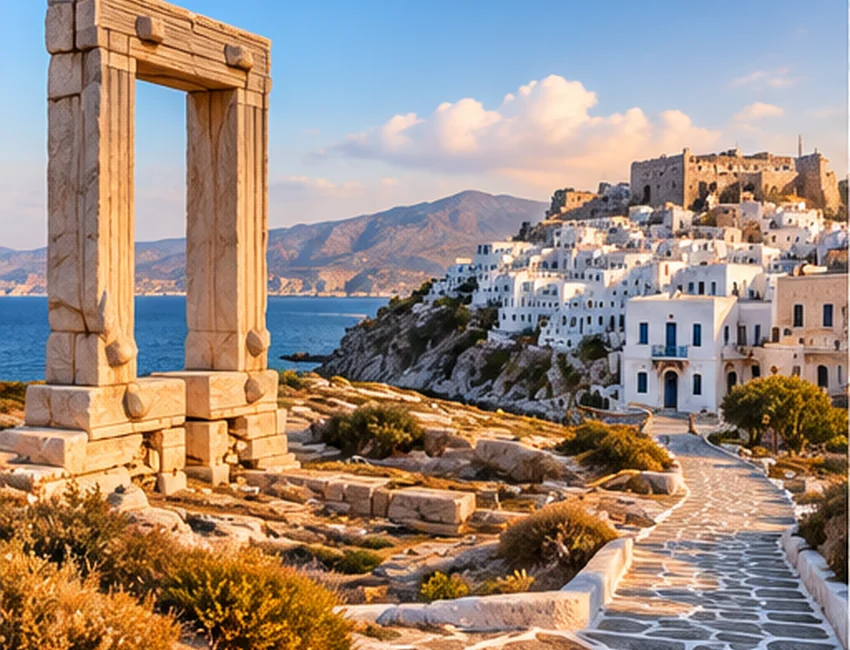
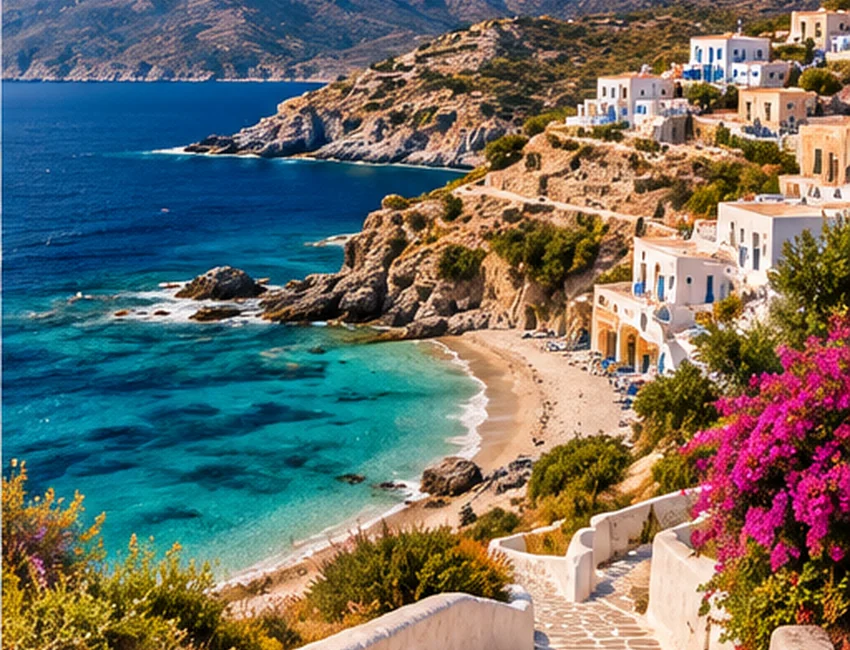
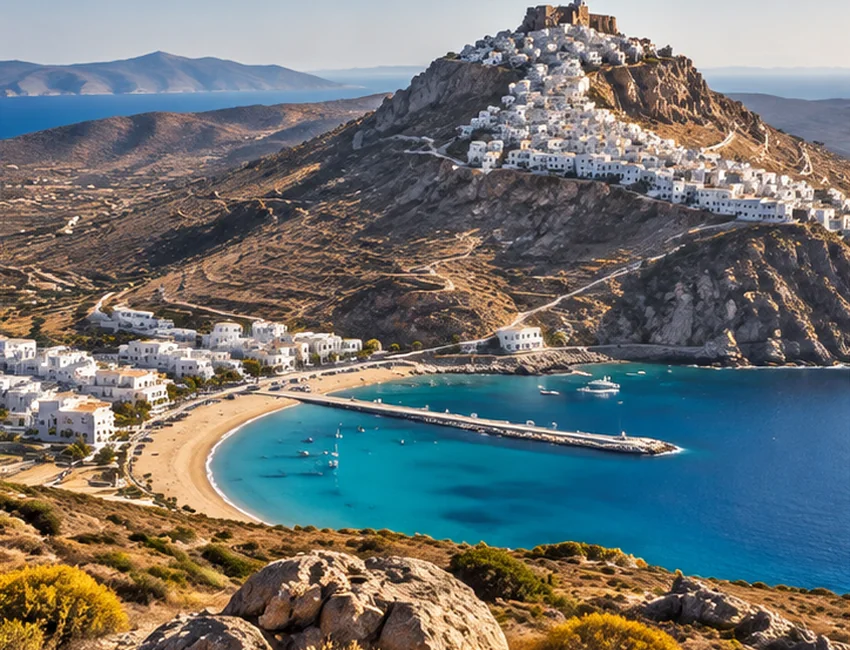
Paros suits travellers who want a mix of attractive harbour towns, a lively dining scene and several beaches. Parikia is a practical ferry and bus base; Naoussa is atmospheric but can be busy and expensive in peak season. Paros is popular, not a secret escape. Allow time for both its famous corners and its quieter villages.
Naxos is especially appealing for a longer stay. The old town and ferry port are close together, the western beaches are a highlight, and the interior offers a different side of Cycladic life. It's a strong choice for families and travellers who want to explore without moving hotels.
Milos is known for volcanic-looking landscapes, colourful fishing settlements and unusual beaches. Adamas is a useful arrival base, but reaching some scenic corners requires careful transport planning. Milos fits naturally into certain western Cyclades routes, though not every island pairing has a straightforward daily sailing.
Sifnos is a satisfying choice for village walks, traditional cooking, pottery and relaxed coastal days. Serifos combines a dramatic hilltop Chora with beaches and a rugged landscape. They work particularly well for travellers who value atmosphere over a long list of attractions. Summer ferry services often connect parts of this western group, but specific legs and dates need verification.
Both islands are possible additions from Athens. Santorini offers the caldera and volcanic landscape, while Mykonos combines its old town, beaches and nightlife. They can be expensive and crowded in peak periods, so think about whether they genuinely match your travel style rather than adding them because they are familiar names.
First list each leg separately: Athens → Island A → Island B → Athens. Search with your real travel dates, and pay attention to both departure and arrival ports. Some islands have more than one port; similarly, a return to “Athens” might mean Piraeus, Rafina or Lavrio.
Compare operators and schedules, then book through the operator or a reputable ticket provider. For this guide, useful official starting points include Blue Star Ferries, Fast Ferries and Golden Star Ferries. Routes and operators vary by season and island; these are examples, not a claim that every company operates every suggested leg.
Before paying, check the passenger name requirements, booking terms, cancellation and change rules, luggage policy and whether you need to check in online. Some carriers offer electronic boarding passes, while other routes or arrangements may have different procedures. Keep your booking confirmation accessible offline.
For a peak-summer itinerary with fixed accommodation, booking the important ferry legs ahead of time is prudent, particularly on popular travel dates. In the shoulder season, fewer departures can actually make the specific day more important. There is no universal number of weeks that guarantees the best price or availability.
Follow your operator's instructions; boarding windows vary by vessel and whether you are bringing a vehicle. Give yourself extra time at Piraeus to locate the gate. Arriving only a few minutes before departure is rarely worth the anxiety.

Your total travel budget includes more than ferry tickets. Plan for flights, land transfers from the airport, ferries between islands, accommodation, meals, activities, and occasional taxis. A trip with four islands also creates more transfer costs and more partial travel days than a trip with two.
Accommodation costs vary considerably by island, location and season. A well-located apartment in Naxos or Paros might reduce your reliance on taxis, while a remote villa that looks inexpensive can add a daily transport bill. In high-demand places, particularly famous cliffside or nightlife areas, prices can rise sharply.
A practical way to budget is to set a total transport allowance first, including an emergency buffer, and only then decide how many islands you can comfortably visit. Avoid basing the budget on a single sample ferry fare, since prices and cabin categories change.
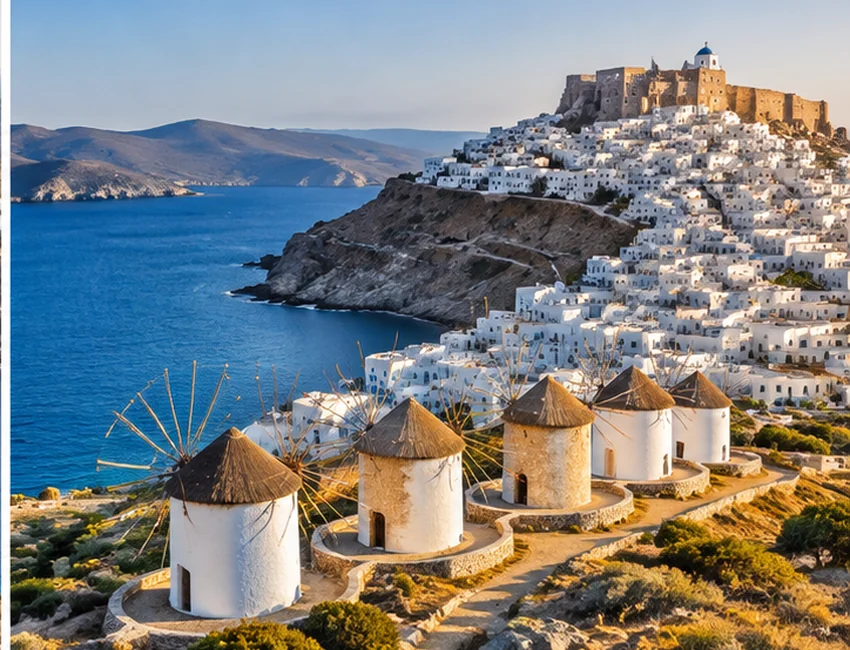
June and September can offer an appealing balance of active ferry networks, warm-weather experiences and somewhat fewer crowds than the peak of summer, although there are no guarantees. July and August bring high demand, heat and the possibility of strong Meltemi winds in the Aegean. The shoulder and winter months have fewer services on some routes.
Strong winds can cause delays, changes or cancellations. The safest response is not to panic but to build flexibility into the trip: leave time between connections, keep essential items in hand luggage and avoid a critical international flight immediately after a ferry crossing.
If conditions are uncertain, check updates from the ferry operator and the local port authority, rather than relying on an old third-party timetable. Never assume that a ferry cancellation means an automatic refund, rebooking or hotel reimbursement; the exact policy depends on the circumstances and ticket terms.
You can enjoy an island-hopping holiday without renting a car, particularly when staying in accessible places. On Paros, consider Parikia if buses and the ferry are central to your plans. On Naxos, Chora is an effective base for short walks and reaching coastal bus routes. On other islands, the best no-car base may be close to the port or the main bus hub, rather than the most secluded beach.
For families, limit the number of transfers and prioritize hotels near food, shops and transport. A ferry morning with children is easier if you have breakfast options, snacks, water, hats, sun protection and a small bag containing everything needed before the large suitcase is accessible again. Seats, shade, deck access and sea conditions vary by ferry type.
A good family holiday does not need to involve three islands in seven days. Two islands—or even one island with day trips—can deliver a more rewarding experience.
Mistake 1: Booking the hotels before checking ferry connections. A route that looks logical on a map may not work on your desired date.
Mistake 2: Choosing islands from opposite ends of Greece. Very distant destinations may require returning through Athens or a flight. A ferry journey is not automatically a direct route.
Mistake 3: Treating every transfer as a full sightseeing day. Packing, check-out, port transfers, boarding and checking in again all take time.
Mistake 4: Assuming all Athens departures leave Piraeus. Rafina and Lavrio are entirely different ports.
Mistake 5: Planning a tight ferry-to-flight connection. Weather disruptions are real, even if your previous sailings were punctual.
Mistake 6: Chasing the fastest boat without checking arrival time. A comfortable daytime arrival may matter more than saving an hour.
Mistake 7: Overlooking your island's arrival port. On Amorgos, for example, Katapola and Aegiali serve different parts of the island.
Mistake 8: Trusting old schedules. A published route is a starting point, not a promise for the day you will travel.
Yes, provided you can reach the relevant port and there is a suitable sailing after your flight arrives. Allow generous time for airport formalities and the ground transfer. An overnight in Athens is usually the more relaxed choice after a long journey.
Neither is universally better. Piraeus serves a broad range of islands and is convenient from central Athens. Rafina is particularly useful for some northern Cyclades routes. Choose according to your island combination and live timetable.
For most first-time visitors, two islands is a sensible maximum for a relaxed seven-day holiday. One island can be equally satisfying if you want a slow trip with minimal moving around.
Not necessarily. Paros and Naxos can be enjoyed from convenient bases using buses, walking and occasional taxis. Remote beaches and villages may require more planning, particularly outside the peak transport season.
Not always. Ticket arrangements differ by company and route. Compare the cost and conditions of each leg, and prioritize a route that makes geographic and logistical sense rather than assuming that a single booking is automatically cheaper.
Sometimes, but options depend on sailing availability, accommodation terms and ticket conditions. Keep a buffer for important connections, especially the journey back to Athens, and monitor operator notices when conditions are unsettled.
Yes, but some inter-island connections become less frequent or operate on different days. A winter itinerary often works better with fewer destinations and more time in each place.
The secret to a memorable Greek island-hopping trip from Athens is not seeing the maximum number of islands. It is choosing an itinerary that gives you time to enjoy each one. Start with the ports, check every ferry leg, and leave space for an unexpected long lunch, a favourite beach or an evening wandering through a village.
If this is your first trip, Paros and Naxos are an excellent place to begin. If you have more time, expand thoughtfully—never just because another island is nearby on the map.
Compare destinations, get more detailed route suggestions and plan the days between ferry trips.