THE SIX BEST STARTING POINTS
Which Greek islands are easiest without a car?
These islands offer distinct car-free experiences. The ratings below are practical editorial assessments, not guarantees that every attraction is reachable by public transport.
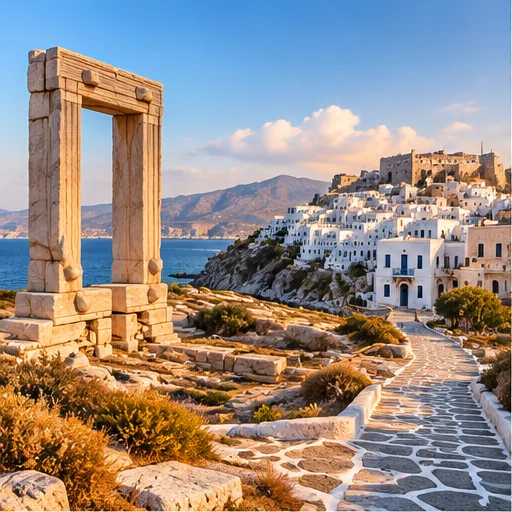
01 · Best all-rounderNaxos
Chora is a real base with restaurants, port access and buses serving popular west-coast beaches. Rural villages require more planning; evening and off-season services may be limited.
- Stay in:
- Naxos Town (Chora)
- Best for:
- Beach access, families, first visits
Explore Naxos → 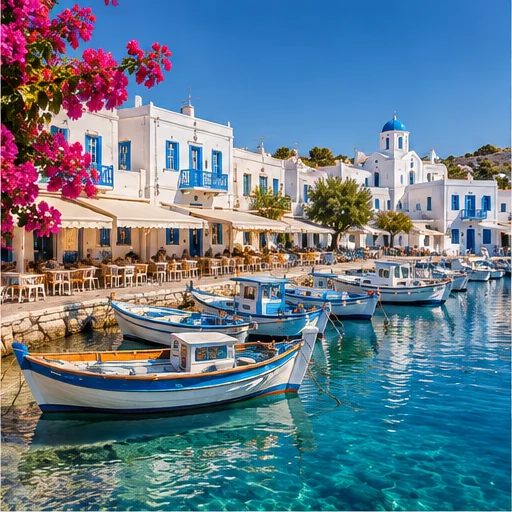
02 · Best for lively villagesParos
Parikia puts the port and a major bus stop within reach. Naoussa is a charming alternative, though it tends to be busier and can cost more, especially in peak season.
- Stay in:
- Parikia; Naoussa if you prioritize evenings
- Best for:
- Pretty towns, beaches, couples and friends
Explore Paros → 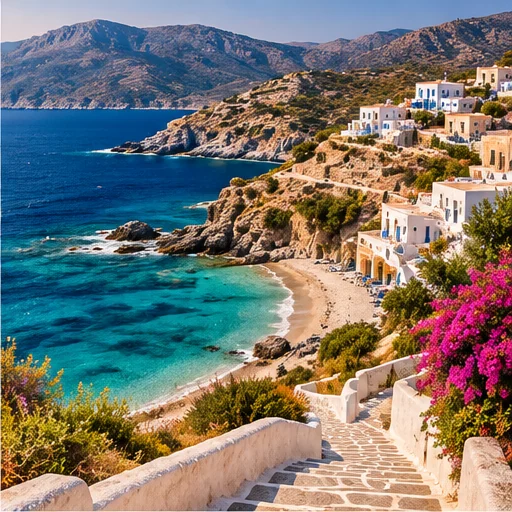
03 · Best for slow travel & foodSifnos
Apollonia makes a good central base for bus connections and dining. Kamares works particularly well for a beach-and-port stay; the network gets thinner outside summer.
- Stay in:
- Apollonia or Kamares
- Best for:
- Food, villages, walking trails
Explore Sifnos → 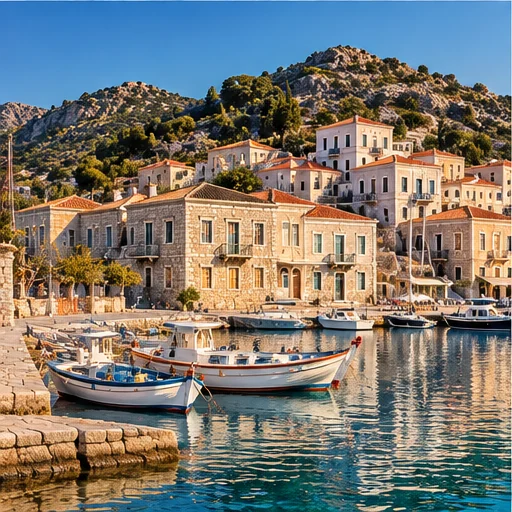
04 · Best truly car-free islandHydra
Vehicles are largely prohibited, so footpaths and water taxis define the experience. Gorgeous for a few nights, but hillside stairs and rocky swimming spots can be tiring.
- Stay in:
- Hydra Town
- Best for:
- Walks, atmosphere and short breaks
Explore Hydra → 
05 · Best iconic viewsSantorini
Fira is the practical bus hub. Oia is atmospheric, but touring the island by bus typically involves Fira connections and crowd-aware timing.
- Stay in:
- Fira
- Best for:
- Views, couples and short stays
Explore Santorini → 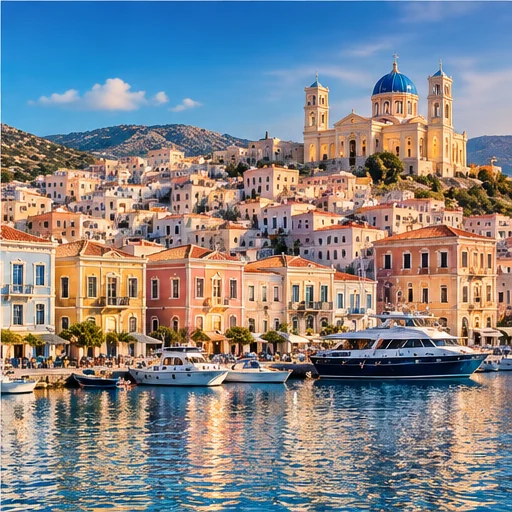
06 · Best town-based tripSyros
Ermoupoli is a walkable town with cafés, shops and port access. Bus or taxi rides can extend your day to beaches, but check exact seasonal service.
- Stay in:
- Ermoupoli
- Best for:
- Architecture, cafés and local culture
Explore Syros → Choose accommodation within walking distance of essentials: ferry terminal, food, beach access or a reliable bus stop.
ISLAND COMPARISON
The right island depends on your trip
There is no single winner for every visitor. Here is a more realistic picture of each island's advantages and limitations.
| Island | Best car-free base | Why it works | What to watch for |
|---|
| Naxos | Chora / Agios Prokopios | Beach buses, walkable town, port | Remote beaches & mountain villages need planning |
| Paros | Parikia / Naoussa | Broad bus network; pleasant towns | Late-night and shoulder-season frequency changes |
| Sifnos | Apollonia / Kamares | Village routes and compact stay | Limited service outside summer; some transfers |
| Hydra | Hydra Town | Footpaths, boats, no ordinary cars | Steps, slopes, rocky coves, luggage logistics |
| Santorini | Fira | Main bus interchange | Crowds, transfers via Fira, steep paths |
| Syros | Ermoupoli | Walkable town and port-side life | Beach buses vary seasonally |
LOCATION MATTERS MORE THAN HOTEL STYLE
Where to stay when you aren't driving
Imagine arriving by ferry in the afternoon. Your accommodation is a beautiful hillside villa, but the nearest restaurant is a twenty-minute walk downhill, the bus runs only occasionally, and taxis must be prearranged. The room may be wonderful, yet the location could quietly shape every day of your trip.
The easiest accommodation bases let you do at least two things without transport: walk to dinner, reach a beach, visit shops or cafés, or catch a convenient bus. If you plan to explore constantly, a port town or transit hub is usually a better choice than an isolated beachfront property.
- Chora, Naxos: a useful compromise between the ferry, dining and bus connections.
- Parikia, Paros: particularly practical for arrivals and day trips; Naoussa suits a more nightlife-centered stay.
- Apollonia, Sifnos: central for village outings; Kamares suits arrivals and slower beach days.
- Fira, Santorini: the most practical bus base, though it can be crowded.
- Ermoupoli, Syros: best for town life; expect transport for many beaches.
Practical rule: check the actual walk from your accommodation to a bus stop—not just the distance to the nearest town on a map.
Check this before booking: Ask your accommodation which bus stop serves it, whether buses operate on your travel dates, and how you would get there with luggage if your ferry arrives after the last service.
TRANSPORT WITHOUT THE HEADACHE
Five ways to get around the Greek islands without a car
- Walking and staying localOld towns are often the most rewarding places to explore slowly. But many have steps, cobbled paths and steep lanes: “walkable” does not always mean accessible with a stroller or heavy suitcase.
- Local buses (KTEL and municipal routes)These are the backbone of a budget-friendly trip on Naxos, Paros and Santorini, and useful on Sifnos and Syros. Service differs enormously by island, season and route, so check the operator's latest schedule.
- Taxis and arranged transfersUseful for airport or ferry arrivals, one-off beach days and late dinners. On smaller islands, taxi supply can be limited; request a pickup rather than assuming you can hail one.
- Water taxis and boat tripsParticularly useful where the shoreline is easier to enjoy from the sea. Treat boat excursions as an activity, not a guaranteed replacement for public transit. Weather can alter departures.
- Ferries between islandsChoose an itinerary with direct, operating ferry connections whenever possible. A short distance on the map does not promise a convenient sailing on your travel date.
Transport-check checklist
- Confirm the current timetable, not last summer's screenshot.
- Locate the actual departure and return stops.
- Check whether a change is required at a central hub.
- Allow extra time for ferry or airport transfers.
- Keep a backup taxi or walking option.
- Remember that return buses can stop earlier than you'd expect.
Seasonal reality: Summer schedules can be much more frequent than those in April, May, October or winter. Never plan a whole trip around a particular service until you've checked it for your dates.
BEAUTIFUL, BUT LESS STRAIGHTFORWARD
Greek islands that take more planning without a car
Milos
Wonderful scenery and boat excursions, but many coves and viewpoints are less straightforward without private transport. Adamas is a practical base, although you may need bus planning, excursions or taxis to see the highlights you care about. For remote beaches, access and safety conditions vary.
Read the Milos guide →Crete
Far too large to treat as a single compact island. A car-free stay can be great when based in Chania, Heraklion or Rethymno, but a multi-region road trip is a different proposition. Plan a smaller geographic area and understand bus travel times.
Read the Crete guide →Amorgos
Rewarding for walkers and visitors with time, but the island's terrain and limited services make spontaneous travel less convenient. Choose between Katapola, Aegiali and Chora carefully; the ports are not interchangeable.
Read the Amorgos guide →This isn't a reason to skip these islands. It simply means choosing a more focused itinerary, booking strategically located accommodation, or setting aside a taxi or organized excursion budget.
SAMPLE ITINERARIES
Easy island-hopping ideas without driving
Pick a route that leaves room for ferries, weather and slow days. The examples below are starting points—not guaranteed ferry connections. Always verify the exact crossing before you book non-refundable hotels.
7 days · two islandsParos + Naxos
Spend three nights in Parikia or Naoussa and four in Naxos Town. Mix village walks, food, popular beaches and relaxed ferry days.
5 days · one islandSifnos slow escape
Use Apollonia or Kamares as your base and alternate villages, accessible beaches, leisurely meals and one planned walk.
3–4 days · one islandHydra from Athens
Arrive on foot via the port, spend your days exploring harbour lanes and hiking paths, and leave time for a water-taxi outing.
A note on island order: Don't assume Paros → Sifnos → Naxos or any other three-island chain runs daily. Choose the islands first, then rebuild the route around current ferry services.
For a fuller day-by-day plan, read our 7-day Greek island itinerary and 10-day Paros and Naxos itinerary.
WHAT A REAL DAY LOOKS LIKE
A relaxed car-free day on Naxos
Imagine waking up in Naxos Town instead of a remote villa. You walk to breakfast, check the latest bus timetable, and head toward a popular beach such as Agios Prokopios or Agia Anna. After a few hours swimming, you return in the afternoon, rest at your accommodation, then go back out on foot for dinner and a stroll through the old town.
Nothing about that day requires a car, and you haven't spent hours organizing it. The key is that the activities match the transport network and you aren't trying to include a mountain-village drive and three hidden coves in the same afternoon.
For a different day, use a verified village bus service or join an organized excursion to see the interior. This balances independent exploring with realistic transport. The same idea works in Paros: stay in Parikia or Naoussa, devote one day to a bus-accessible beach and another to a village trip when the schedules suit.
The car-free mindset: Plan around one principal outing each day, not a checklist of distant sights. A simple plan with space for swimming, food and wandering often makes for a better island holiday.
WHEN YOU TRAVEL CHANGES EVERYTHING
Car-free travel in summer vs the shoulder seasons
June to September
This is generally the easier window for public transport: tourist demand supports more beach routes, a wider choice of excursions and more ferry connections. July and August also bring crowded buses, hot midday walks and busy ports. Staying close to your essentials matters just as much when transport is frequent.
Book accommodation in a practical base early if you are travelling during school holidays. A room within walking distance of Chora's restaurants or Parikia's station can save more time than a secluded view you must commute from every evening.
April, May and October
The trade-off shifts. You may enjoy quieter towns and milder sightseeing weather, but some seasonal buses and boat excursions operate less often or not at all. Remote beaches can be beautiful yet awkward to reach. For shoulder-season breaks, a town with year-round businesses is usually a safer choice than an isolated resort strip.
Winter
A winter island trip can be wonderful for culture, walking and local life, but it isn't the same product as a summer island-hopping holiday. Connections may be sparse, ferry timetables more vulnerable to weather and tourist services limited. Consider a substantial town such as Ermoupoli, and verify transport for your actual dates instead of relying on general summer travel guides.
How to research the right way: First confirm the ferry for your day of arrival. Then confirm a way from the port to your accommodation. Finally check the bus timetable for one or two places you really want to visit. You don't need every departure memorized—just a feasible daily rhythm.
BUDGET & EVERYDAY LOGISTICS
Is travelling without a rental car actually cheaper?
Often, yes—but not automatically. Your savings depend on how far you plan to go, how frequently you move, whether buses operate when you need them and what you spend to reach your accommodation on arrival.
Usually saves money
Walking around a central town, riding scheduled buses to popular beaches and staying in one convenient base. You avoid rental charges, fuel, parking hassles and possible insurance extras.
Can add up quickly
Several private transfers, long taxi trips to a remote hotel, last-minute boat tours and changing accommodations mid-island. A beautiful isolated villa can become an expensive transport choice.
Worth paying extra for
A well-located hotel near the beach, port or bus terminal. Spending a little more for the right location may be better value than saving on the room and paying to get everywhere.
There is no reliable one-size-fits-all euro amount to quote here because transport costs and services vary by island and season. Instead, compare your accommodation price plus expected transfers against a better-located hotel. Factor in the time saved, especially on short visits.
How to check a hotel location
- Look at the walking route—not only the straight-line distance.
- Read recent guest comments about steps, hills and access.
- Ask whether the nearest bus stop serves your intended beaches.
- Find out how you would reach the room after a delayed ferry.
What to arrange before arrival
- Save your hotel address offline and a phone number for the host.
- Check bus ticket payment instructions for that island.
- Download a map covering the port and your accommodation.
- Know the backup option if your boat arrives after dark.
BEFORE YOU BOOK
Small decisions that make a car-free trip easier
For families with children
- Choose a base with food and an easy beach within walking distance.
- Confirm the route is stroller-friendly; hillside towns often have steps.
- Allow for afternoon breaks rather than relying on a tight bus itinerary.
- Check child-seat availability when booking airport or taxi transfers.
- Prioritize accommodation with simple luggage access from the port.
For couples and friends
- Be realistic about getting home after late dinners or beach clubs.
- Choose the port town if you'll be island-hopping frequently.
- Budget for a couple of taxis rather than forcing every outing by bus.
- Look for accommodation with on-foot dining and convenience stores.
- Keep one free day for an easy beach or village close to your base.
If mobility or accessibility is a major consideration, look beyond descriptions such as “central” or “walkable.” Request details on steps, gradients, accessible boarding and the route from the ferry terminal to your accommodation before making a reservation.
PLAN WITH CURRENT INFORMATION
Useful official transport links
Transport schedules change frequently. These resources are a starting point for checking bus networks and other practical information close to departure.