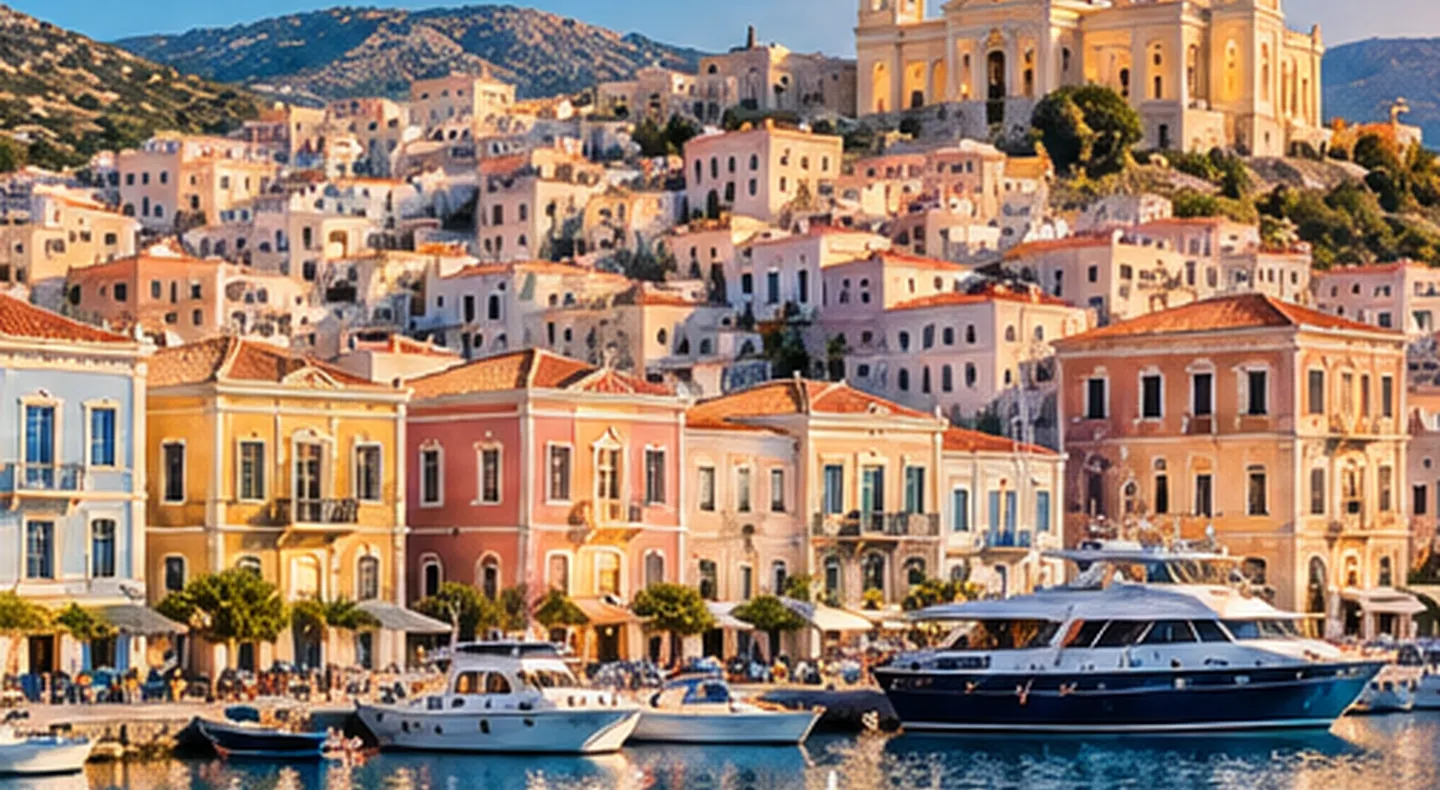
Finding a beautiful Greek island on a budget is possible. The trick is not to chase a single ranking of the “cheapest islands,” because no island stays cheapest for every traveller or every date. A modest room on one island can be excellent value in June and unexpectedly expensive in August. A more remote island might have reasonably priced guesthouses but require a costly ferry connection or rental car. The useful question is which island delivers the experience you want at the lowest total trip cost?
This guide compares islands worth checking for value, from Athens-friendly escapes to larger islands with accommodation choice. It also explains the extra costs that can undo a seemingly cheap deal and gives you a practical way to compare destinations before booking.
Quick answer: which Greek islands are worth checking for a cheaper holiday?
For a short trip from Athens, start by comparing Aegina and Agistri, where a shorter ferry journey may leave more of your budget for accommodation and meals. Syros is appealing for its lived-in capital and broad choice of restaurants. Naxos can offer good overall value when you want beaches and villages without moving hotels constantly. Crete has a wide accommodation range, although its size makes transport an important expense. Tinos, Kythnos, Astypalaia, Ikaria and Amorgos deserve consideration if their ferry or flight connections work for your dates.
None of these destinations is guaranteed to be inexpensive. Peak-season weekends, sought-after beachfront rooms and high-demand festivals can lift prices quickly. Conversely, travellers who plan well can sometimes spend modestly even on famous islands. Compare the full basket—transport, room, local mobility and daily spending—rather than treating an island's reputation as a price quote.
1. Syros: a working island with a real-town feel
Syros is worth researching if you like colourful neoclassical streets, cultural attractions and local restaurants. Ermoupoli is the island's administrative and commercial centre, not a seasonal resort strip; that gives visitors a choice of places to eat and more reason to spend time enjoying the town itself. It also makes Syros an appealing option outside the very busiest summer weeks.
For convenience, consider staying in Ermoupoli near the harbour, cafés and local transport. You can spend an enjoyable day wandering Ano Syros, stopping for a simple meal and watching harbour life without booking expensive excursions. Beaches farther out require transport planning, and a low hotel price can be offset by repeated taxi journeys. Price-check central rooms against beach accommodation before deciding where the real saving is.
Best for: couples, architecture lovers and travellers who prefer towns to resorts. Watch the budget: the room you choose and how often you want to visit distant beaches.
2. Aegina: a short island escape from Athens
Aegina makes financial sense to consider because it can turn a long travel day into a comparatively simple ferry transfer from Piraeus. The island offers a harbour town, pistachio shops, archaeological sights and beaches such as Agia Marina. You can build an enjoyable weekend around one base rather than paying for several different transport legs.
The smartest accommodation choice depends on your plans. Aegina Town is convenient for ferry arrivals and evening meals; Agia Marina places you nearer a traditional beach-holiday setting. If your itinerary requires driving across the island every day, factor that in. A lower ferry fare does not automatically make every restaurant or accommodation inexpensive, especially on popular weekends when visitors from Athens arrive.
Best for: short breaks and travellers combining the islands with Athens. Watch the budget: busy Friday–Sunday dates and last-minute accommodation.
3. Agistri: small-scale beach days without complicated logistics
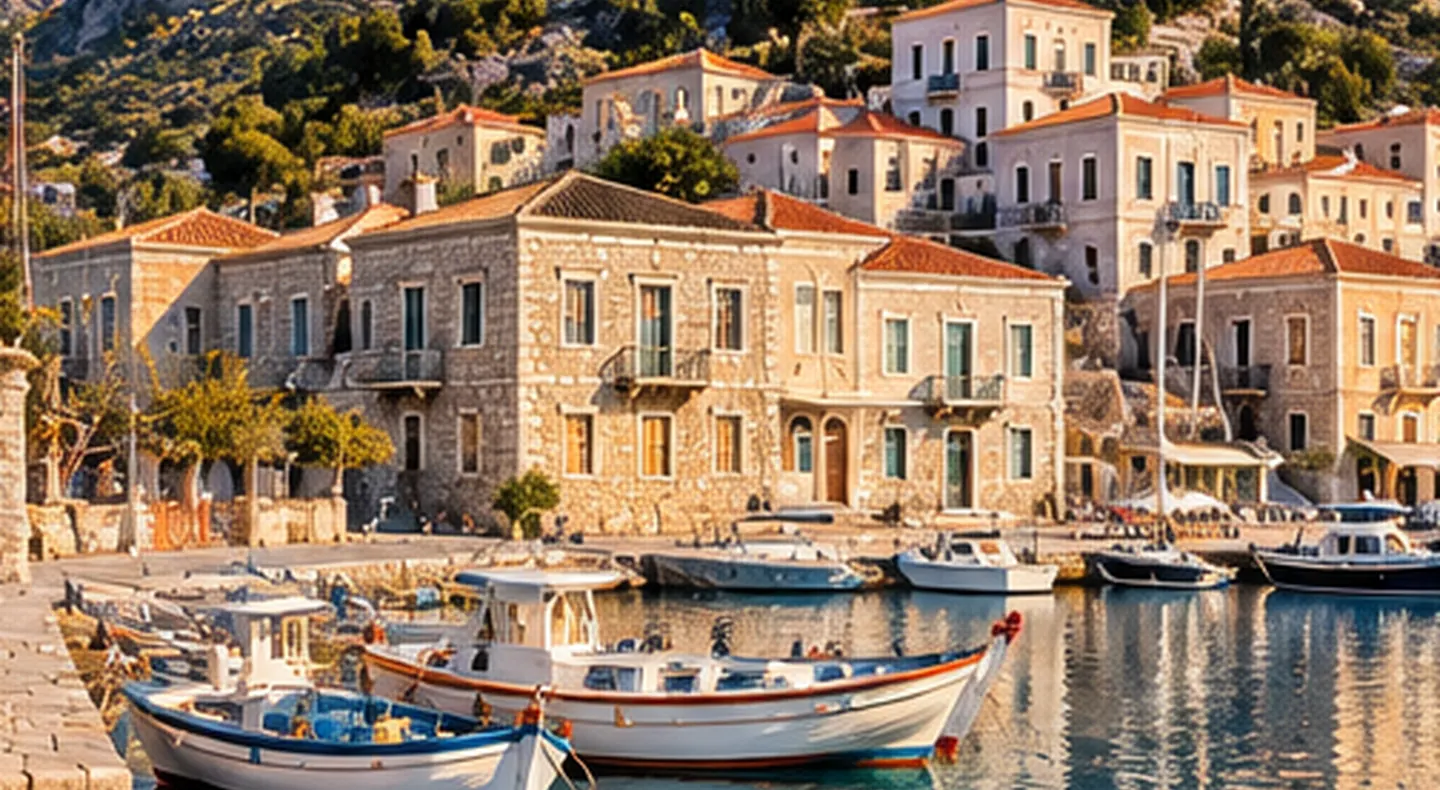
Agistri is another Saronic option for visitors who care more about swimming and a slower pace than major sightseeing. Staying around Skala can put beaches, cafés and everyday conveniences within reach. A short holiday here can be cheaper in total than a multi-island trip because you pay for fewer transfers and have fewer reasons to rent a vehicle.
The island is small, but that doesn't mean every cove is on your doorstep. Check how you will reach the beaches you most want to visit and whether seasonal transport operates during your stay. Accommodation supply can be tight around popular holiday dates, so early comparison matters more than assuming a small island always has low prices.
Best for: laid-back beach breaks. Watch the budget: limited room availability and taxi costs to remote swimming spots.
4. Naxos: value through variety, not always the lowest nightly rate
Naxos is a popular island rather than an undiscovered bargain. What makes it a potential value choice is the number of different experiences it offers from a single base: sandy beaches, Chora's harbour and historic lanes, traditional mountain villages and plenty of dining options. You could comfortably spend a week without paying for another ferry or switching hotels.
For a car-free visit, compare accommodation near Chora, Agios Prokopios and Agia Anna. Chora is particularly practical for arrival days, restaurants and bus connections. Plaka can feel calmer but location matters: a seemingly affordable room down a long, unlit lane may create extra transport costs. Naxos's popular beaches and sought-after rooms are not immune to August prices, so look at spring or September dates if you have flexibility.
Best for: families, beach lovers and week-long stays. Watch the budget: peak-August accommodation and rental vehicles if you plan extensive inland exploration. Read our full Naxos travel guide.
5. Crete: plenty of choice, but bigger transport decisions
Crete has enough size and variety to support different budgets, from basic rooms and local tavernas to luxury resorts. It can be a strong-value choice if you stay in one area and experience that region well. Chania, Rethymno and Heraklion have different attractions; don't assume you can see them all effortlessly from a single base.
For a lower-cost holiday, choose one region, explore nearby beaches and villages, and use buses where practical. A bargain villa two hours from the places you want to see can be poor value once you add a rental car, fuel, parking and lost holiday time. Food can be an appealing part of the budget: neighbourhood bakeries, local produce and modest tavernas can keep everyday spending manageable without sacrificing the experience.
Best for: longer holidays, food lovers and travellers happy to focus on one region. Watch the budget: island-wide driving and unnecessary cross-island transfers. See our Crete travel guide.
6. Tinos and Kythnos: sensible alternatives when the routes fit
Tinos offers villages, traditional craftsmanship, food and beaches without requiring a nightclub-centred itinerary. Its links from Rafina can make sense for travellers arriving through Athens, although the total cost depends on the date and chosen sailing. You may need transport to see its villages properly, so don't judge value by the ferry ticket alone.
Kythnos is another island to consider, particularly on routes from Lavrio. It has distinctive beaches, attractive villages and a quiet pace. Accommodation availability is more limited than on a large island, so low-demand dates can make a big difference. Its port is not the centre of every attraction; check transfers to your chosen accommodation before paying for a non-refundable room.
Best for: slower trips, villages and repeat visitors. Watch the budget: local transport and the cost of reaching Rafina or Lavrio from where you arrive.
7. Astypalaia, Ikaria and Amorgos: check the journey as carefully as the room
These islands appeal to travellers looking for a more individual experience, but they are not interchangeable. Astypalaia is known for its castle-town setting and mix of Cycladic and Dodecanese character. Ikaria offers rugged scenery and distinctive local life. Amorgos appeals to walkers and travellers seeking dramatic landscapes and traditional villages.
A simple room can be good value, particularly away from peak dates, but a longer or infrequent transport connection may change the arithmetic. Some areas are much easier with a vehicle, and ferry schedules aren't equally frequent year-round. Treat each island as a specific itinerary rather than as a generic cheap alternative to Santorini. Check return routes and travel-day costs before booking a room.
Best for: slower independent travel. Watch the budget: ferry duration, onward transport and limited room stock. For Amorgos, see our island guide.
The real comparison: your total island cost
A practical way to compare destinations is to build a small spreadsheet or note for the exact dates you're considering. List your international or domestic flight; transfer to the departure port; outbound and return ferries; room total after taxes; transport on the island; and a daily allowance for meals and activities. A place with a higher room rate but excellent bus access may ultimately be less expensive than a remote apartment that needs a rental car.
| Expense | What to compare before booking |
|---|---|
| Getting there | Ferry or flight plus transfers at both ends |
| Accommodation | Total stay, taxes, cleaning fees and cancellation terms |
| Getting around | Bus availability versus taxi or rental-car needs |
| Eating | Supermarkets, bakeries and everyday tavernas near your base |
| Activities | Free beaches and walks versus guided excursions |
| Flexibility | Cost of changing plans when wind affects ferries |
Three inexpensive trip structures worth considering
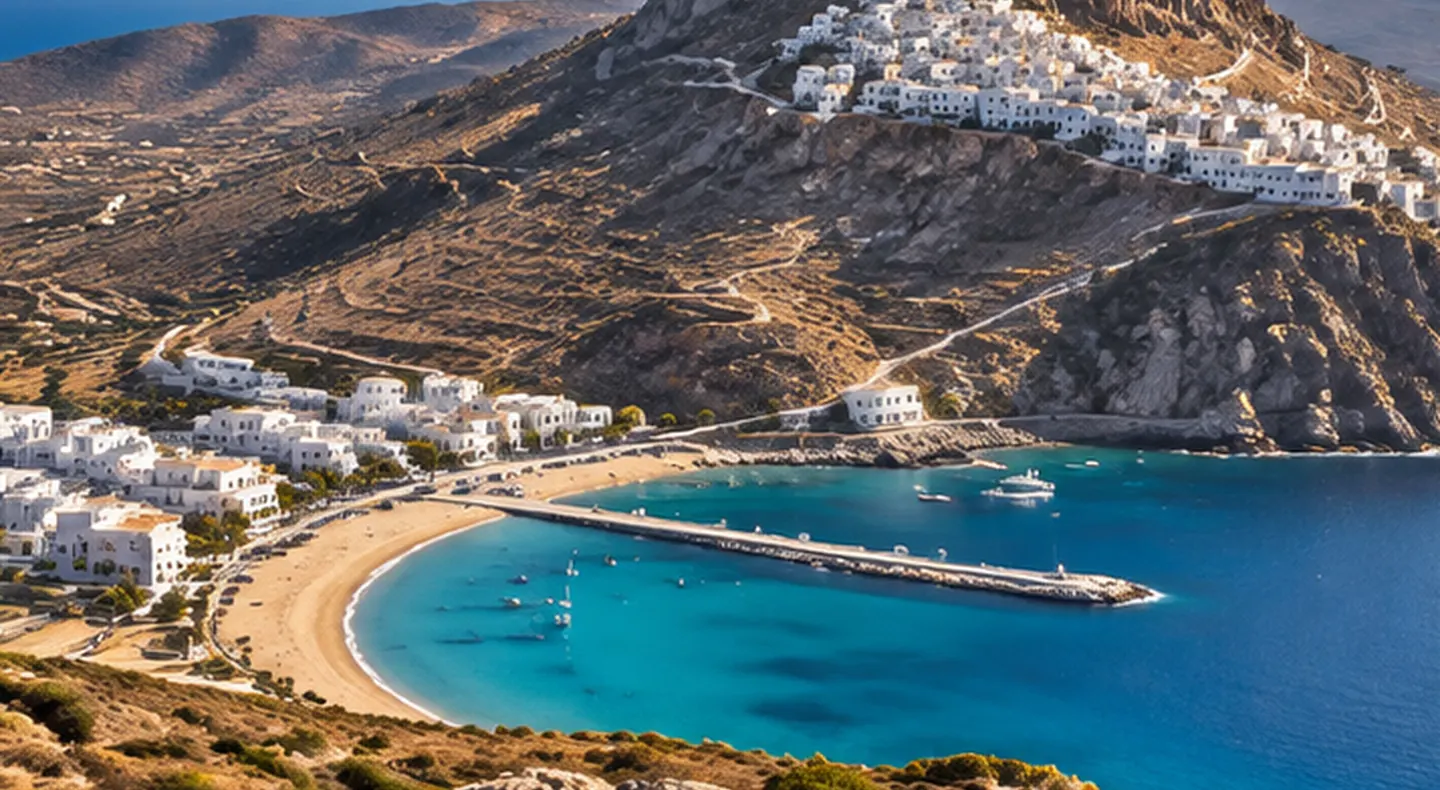
A long weekend near Athens: spend time in Athens, then base yourself on Aegina or Agistri. This reduces the number of transfers and makes it easier to explore without a tightly scheduled island-hopping route. A week in one island: stay on Naxos, Syros or one region of Crete, taking local day trips instead of changing accommodation. A two-island Cyclades holiday: choose a pairing with a practical ferry connection, such as Paros and Naxos, but compare the extra ferry and check-in costs with spending the entire trip on one island.
If your budget is strict, begin with travel dates and total trip cost rather than falling in love with a particular hotel. Midweek departures and dates outside the busiest summer period may change the options available to you. Be prepared to switch islands if the transport route is substantially cheaper.
Where budget travellers often overspend
The most common mistakes are booking the lowest headline room price without checking its location; choosing three or four islands for a one-week holiday; relying on taxis because the accommodation is far from public transport; and comparing ferry fares without considering the transfer from the airport to the departure port. Paying for a beach-club lounger every day can also push up spending even when the beach itself is free to access.
A cheap holiday need not mean skipping the things that make Greece memorable. A harbour walk, a simple taverna meal, a local bus to the beach and an evening in a village can be highlights. Reserve your bigger spending for the experiences you genuinely care about.
Frequently asked questions
Is Naxos cheaper than Paros?
It depends on the dates, your accommodation area and what you do on the island. Naxos often provides good-value options and variety, while popular parts of Paros—particularly central Naoussa—can be costly in peak season. Compare real totals for your dates rather than accepting a universal winner. Our Paros vs Naxos guide covers the broader differences.
Are small or less famous islands always cheaper?
No. Limited accommodation, infrequent transport and the need for a car can make a small island expensive. Less fame can reduce some costs, but limited supply may increase others.
Is it cheaper to stay on one island?
Often, yes. Fewer ferry tickets and transfers also mean fewer hours lost to check-ins, luggage and waiting at ports. For most one-week trips, one or two bases provide a better balance than trying to see four islands.
Is September cheaper than August?
It can be, especially after the busiest summer weeks, but famous destinations and desirable hotels may still be expensive in early September. Compare exact dates and availability before drawing conclusions.
Can you visit the Greek islands cheaply without a car?
Yes, if you choose a connected base. Naxos Town, Parikia, Ermoupoli and some Saronic island towns are useful places to start. Read our Greek islands without a car guide for transport-specific comparisons.
The bottom line
The best budget Greek island isn't necessarily the one with the cheapest hotel. It's the island where travel, accommodation, local transport and daily experiences work together. Start with your desired dates and the kind of holiday you want, compare a few realistic destinations, and choose the itinerary that leaves room in your budget to enjoy being there.