Where to Stay in Mykonos Town (Chora): Little Venice, the Maze and the Edges
Last updated: 17 November 2026
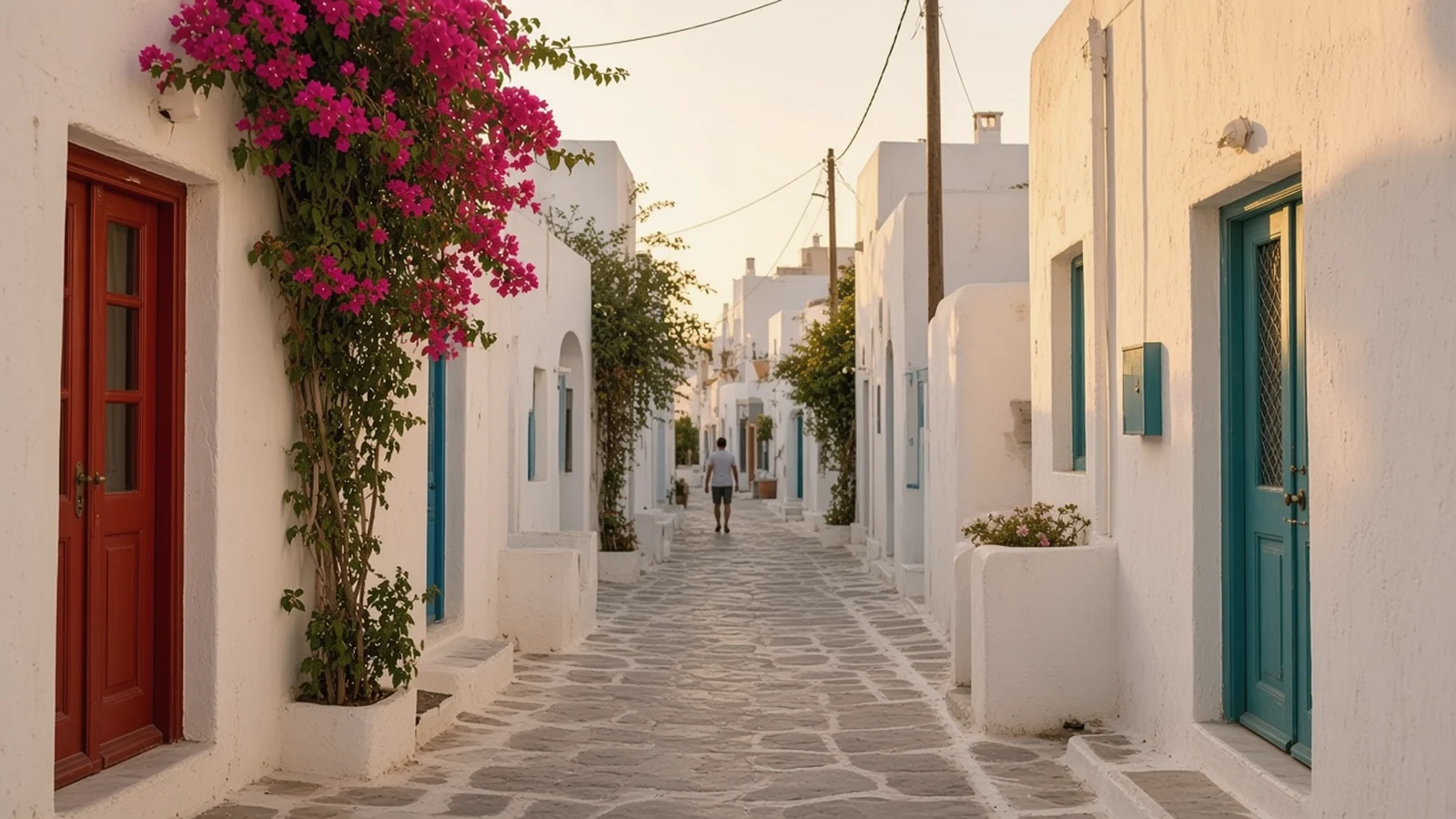
Short version: stay in the maze if you want to walk to dinner and do not mind noise. Little Venice is the postcard waterfront, beautiful and expensive, and not quiet. The windmills side and the edges of town, toward Fabrika or the road to the New Port, are the places to look for a calmer night. Mykonos Town is a strong no-car base; it is a poor choice if you want a sandy beach outside the door or a bargain in August.
Mykonos Town, also called Chora, is the island’s harbour capital: a tight white maze, a waterfront, the row of windmills on the ridge, and more restaurants and bars than anywhere else in the Cyclades. Staying here means you can walk to both bus hubs and the Delos boats at the Old Port. It also means crowds by day, when cruise passengers are ashore, and noise late at night in the centre. For how the town compares with Ornos, Platis Gialos and the rest of the island, see where to stay in Mykonos and the Mykonos travel guide. We have not named hotels. ‘Mykonos Town’ can mean a room over a bar or a quieter house on the edge; check the pin, the steps, and whether a taxi can get near the door.
Before you travel: fares, schedules, opening hours, tax rates and seasonal rules change often, and the details on this page may be out of date. Always confirm current prices, times and rules with the operator or the official site, or locally, before you travel.
Which part of Mykonos Town suits you
| If you want… | Stay in | Why | Watch out for |
|---|---|---|---|
| The famous waterfront and sunsets | Little Venice (Alefkandra) and the west edge | You step out onto the rocks and the cafes; Delos is out on the horizon | Very expensive; waves and spray in wind; nightlife and late noise |
| Walking to everything, including bars | The central maze, around Matoyianni and the inner lanes | Dinner, shopping and clubs are on the doorstep | Noise, crowds, small rooms, hard work with luggage |
| A view and a slightly quieter night | The windmills (Kato Mili) side and the ridge above | You are on the edge of the maze, with space to breathe | A short uphill walk into town; still pricey |
| An easier arrival and the Delos boats | Near the Old Port | Shorter last lap from taxis and from the northern bus stop | The front is busy and functional; rooms just behind are a better bet |
| Sleep, slightly lower prices, still on foot | The edges: toward Fabrika, Megali Ammos, or the first stretch toward the New Port | You can walk or take a short bus into the maze; easier drop-off | You are not in the prettiest lanes; the New Port end is more about ships than charm |
Couples often like the windmills side, or a Little Venice room that does not sit over a bar. Nightlife stays in the centre, or at a south-coast base if the beach clubs are the point. Families usually do better at Ornos or Platis Gialos, with town as a bus ride. Budget travellers should look at the edges of Chora, or at Agios Stefanos, and read Mykonos on a budget. Without a car, town is the most convenient base on the island.
How Mykonos Town is laid out
Chora is small on a map and confusing on foot, which is deliberate: the maze breaks the wind and slows you down. The western waterfront is Little Venice, houses with wooden balconies over the rocks. South of that, on a low ridge, stand the windmills at Kato Mili. The Old Port sits on the north side. Between them is the maze, with Matoyianni as the best-known shopping street. South, the town thins toward the Fabrika bus station and Megali Ammos. North and west, a road leads to the New Port at Tourlos, where most ferries and cruise ships now dock.
This map shows places to stay from our partner Stay22; we may earn a commission if you book, at no cost to you.
Almost all of this is walked. Cars belong on the ring and in the edge car parks, not in the lanes. In July and August those car parks, and the taxis, are part of the day’s friction. Cobbles, steps and uneven whitewash are normal; so are tight corners with bags.
Little Venice and the west waterfront
Little Venice, or Alefkandra, is the row of houses built out over the water on the west side of town. It is one of the best sunset spots on the island, and one of the most expensive places to sleep. In a blow, spray comes over the rocks; at night the bars run late. It suits couples and short celebratory stays. It does not suit light sleepers on a budget, or anyone who thought ‘waterfront’ meant a quiet beach. Confirm whether the room actually faces the water, and how you reach it with bags.
The maze and Matoyianni
This is the Mykonos people mean when they say they stayed in town: white lanes, chapels, shops, and a bar around the next corner. Matoyianni is the busiest axis; the smaller lanes off it can be slightly quieter. It suits first-timers, nightlife, and anyone without a car. Downsides: noise into the small hours in summer, small rooms, and a last stretch with bags that is always longer than the host’s ‘two minutes’. Cruise-day lunchtimes are packed.
The windmills side
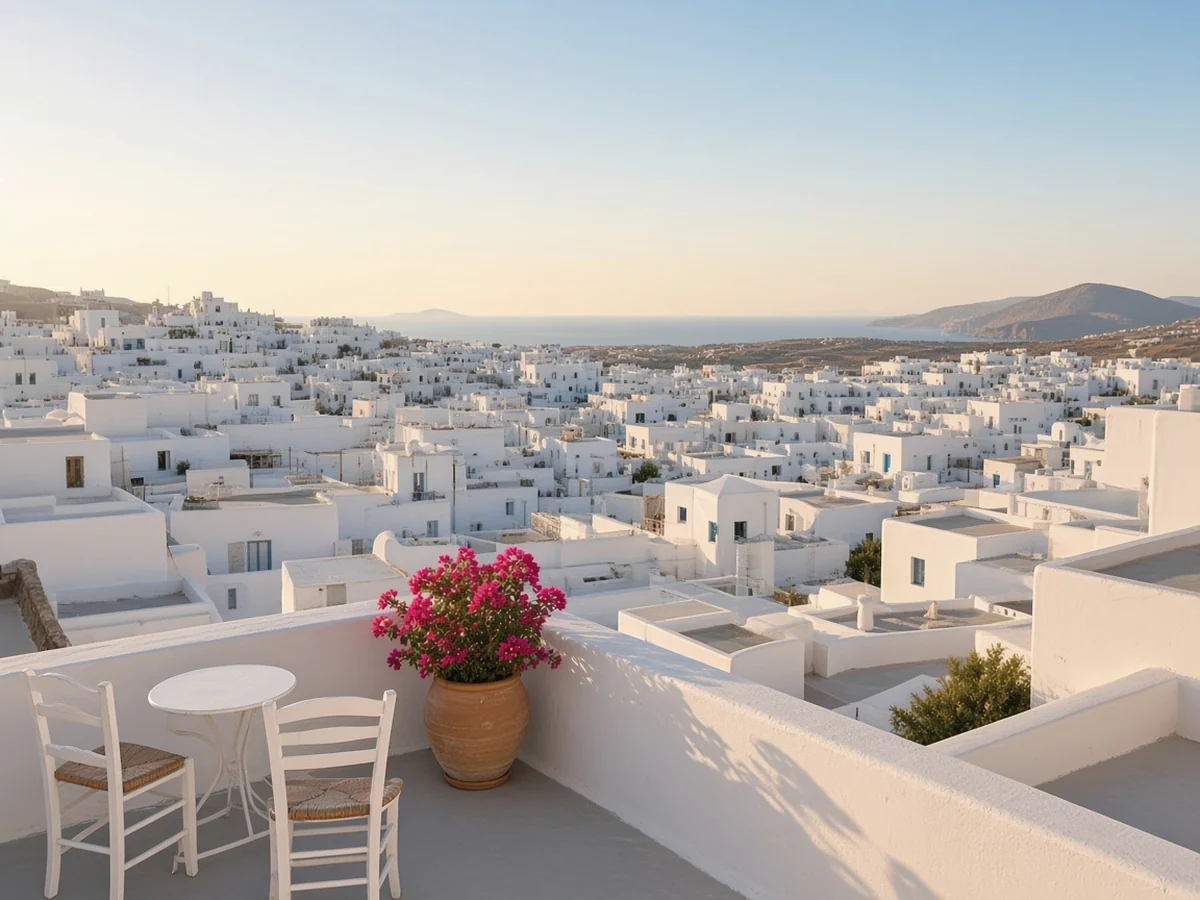
The windmills at Kato Mili stand on the ridge at the south-west edge of the maze. Staying on this side puts you on the margin of town: you still walk in for dinner, but you can also walk out and feel the air. It is not silent, and it is not cheap, but it is one of the more pleasant compromises in Chora. It suits couples who want a town stay with a little more space. Downsides: a short climb, daytime crowds at the mills, and views that may be narrower than the listing suggested. Ask.
The Old Port
The Old Port is still where many of the small boats for Delos leave. The waterfront itself is not the prettiest place to sleep; the lanes just behind it are more realistic. The northern KTEL stops are on this side of town, which helps for Agios Stefanos, the New Port, or the east. It suits short stays with a Delos day, and anyone who wants an easier arrival than a deep-maze pin. Downsides: traffic on the front and cruise-day crowds. See our Delos day trip guide.
The walkable edges, Fabrika and toward the New Port
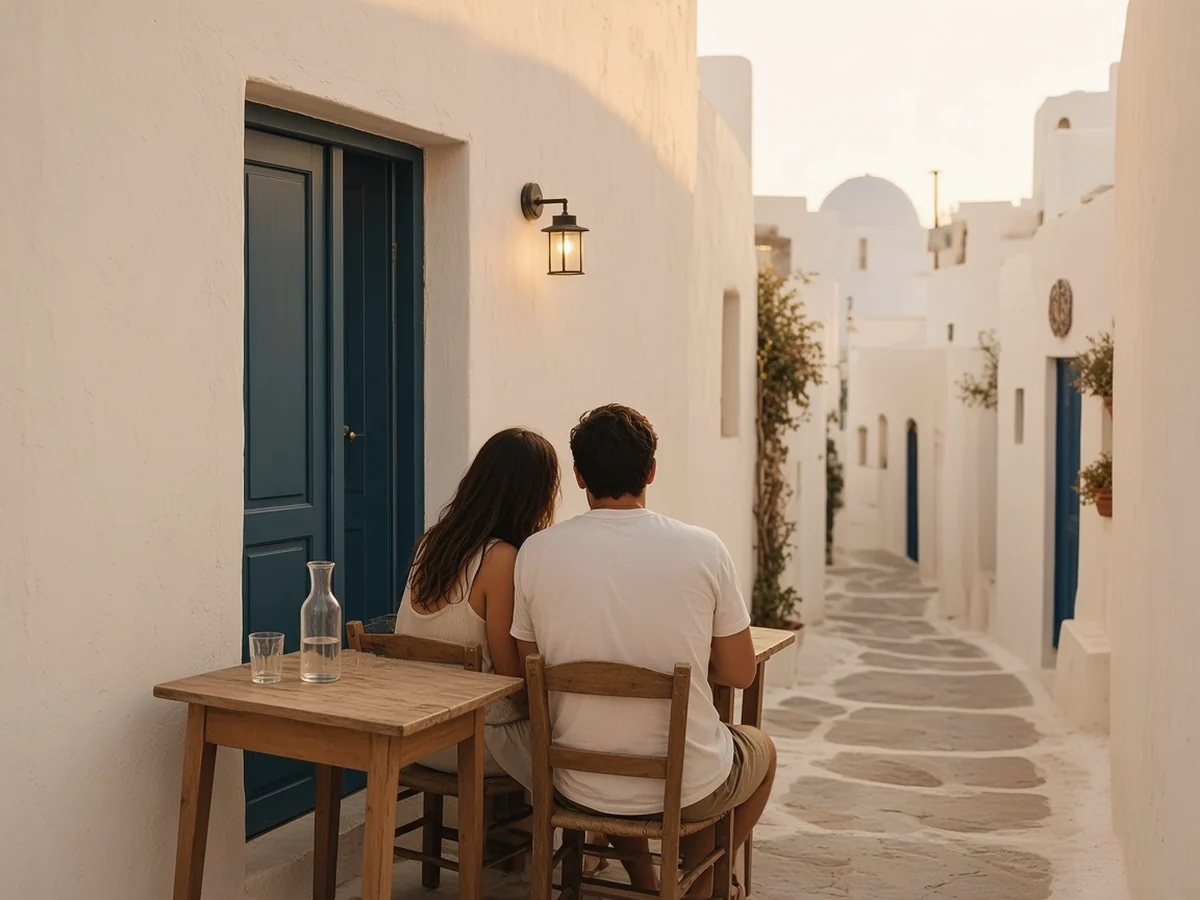
If you want to stay on foot but sleep, look at the edges. South, toward Fabrika and Megali Ammos, you are close to the buses for the south-coast beaches, and Megali Ammos is the most convenient town beach: small, busy, and actually made of sand. Toward Tourlos and the New Port the streets are more modern and less charming, but drop-offs are easier and some rooms cost less. It suits quieter nights, tighter budgets and early ferries. A ‘short walk to town’ from Tourlos can feel long in the heat with bags; check the distance and check current fares/times with KTEL Mykonos (mykonosbus.com).
Getting around
You will walk, often over cobbles. Taxis can reach the edge of the maze, not your restaurant table, and in high season they are scarce late at night. Parking in the centre is not a plan.

KTEL Mykonos uses two hubs in Chora: Fabrika, toward the south, for the airport and the south-west beaches, and the Old Port side for many northern and eastern routes, including Agios Stefanos and the New Port. Some lines also run between Fabrika, the airport and the New Port. We do not quote times or fares; check current fares/times with the KTEL Mykonos timetables. The operator’s other official site is ktelmykonou.gr.
Most ferries now use the New Port at Tourlos, not the Old Port. Buses and taxis cover the gap; it is not a cheerful walk with luggage in August. The airport is close to town and on the bus network; a pre-booked transfer still helps when several flights land at once. If you want a car for beach days, keep it for the east of the island and do not plan to park in the maze each night. See also Greek islands without a car.
Nearby beaches and sights
Town beaches are the small, convenient ones: Megali Ammos on the south edge, and further north the more exposed stretches toward Tourlos and Agios Stefanos. For the sandy bays most people mean, take a bus or taxi, or, in season, the south-coast water taxi. The meltemi matters: south-coast beaches are generally more sheltered. See Mykonos beaches.
In town, slow down for the lanes, the windmills, Little Venice, and the church of Panagia Paraportiani, which photographs better in the morning than in a cruise-hour crowd. The Archaeological Museum sits by the Old Port; check hours with the Cyclades Ephorate. Things to do in Mykonos covers the daytime side of the island, including Ano Mera. Delos is the best half-day out of town.
Practical tips
- Luggage and steps. Ask for a pin, a description of the last 100 metres, and a step count. Many rooms in the maze have no lift and no nearby drop-off. Pack like you will carry it.
- Noise. The centre is late. If you need sleep, do not book a room over a bar because the balcony is pretty. The edges and the windmills side are the first places to look.
- Cruise days. The lanes, Little Venice and the mills fill from late morning. Early and late still feel like a town.
- Wind. Little Venice and the north-facing edges take the weather first. A romantic waterfront room can be a loud, wet one in a blow.
- Season. May, June, September and early October are the months when a town stay is most enjoyable. July and August work if you like energy and have booked well ahead. For length of stay, see how many days in Mykonos.
- Fees. A per-room, per-night climate resilience fee is usually paid at the property. Ask your host for the amount rather than guessing.
A good split, if you are torn, is two nights in Chora for the lanes and Delos, then a move to Ornos or Platis Gialos for a swim. If you are still choosing an island, see Paros vs Mykonos and Mykonos vs Santorini.
Frequently asked questions
Is it better to stay in Mykonos Town or on the beach?
Town if you want restaurants, nightlife and walkable days, and you accept noise. A beach base (Ornos or Platis Gialos for most people) if you want to swim before breakfast. Many visitors split the stay. See where to stay in Mykonos.
Where should I stay in Mykonos Town without a car?
Anywhere in Chora works without a car. The easiest arrivals are on the edges, near Fabrika or the Old Port. Buses to the beaches leave from the two town hubs; check current times with KTEL Mykonos.
Is Little Venice a good place to sleep?
Yes, if you want that exact setting and can afford it, and if you can live with late noise and, on windy days, spray. A room a few lanes back can be a better night with the same sunset walk.
Where is quieter in Mykonos Town?
The windmills side and the walkable edges toward Fabrika, or the first stretch toward the New Port. Nothing in the central maze is reliably quiet in July and August. For real quiet, look east or inland, and plan on a car.
How do I get from the New Port or the airport into town?
By bus or taxi, or a pre-booked transfer. Most ferries use the New Port at Tourlos. Both the port and the airport are on the KTEL network; check current fares/times with KTEL Mykonos. Do not cut the connection tight in high season.
Is Mykonos Town suitable for families?
It can be, if the children are happy walking in crowds and you book an edge room away from bars. For a sandy, shallow beach, Ornos or Platis Gialos are kinder, with buses into town for an evening.
Sources and useful links
- KTEL Mykonos timetables (mykonosbus.com)
- KTEL Mykonou (official company site)
- Cyclades Ephorate: hours and ticket prices
- Visit Greece: Mykonos
- UNESCO: Delos
Room rates, opening seasons and bus and boat times change often. We do not quote fares, frequencies or room prices; check current fares and times with the operator or your host before you travel.