eSIM and Internet on the Greek Islands
Last updated: 22 November 2026
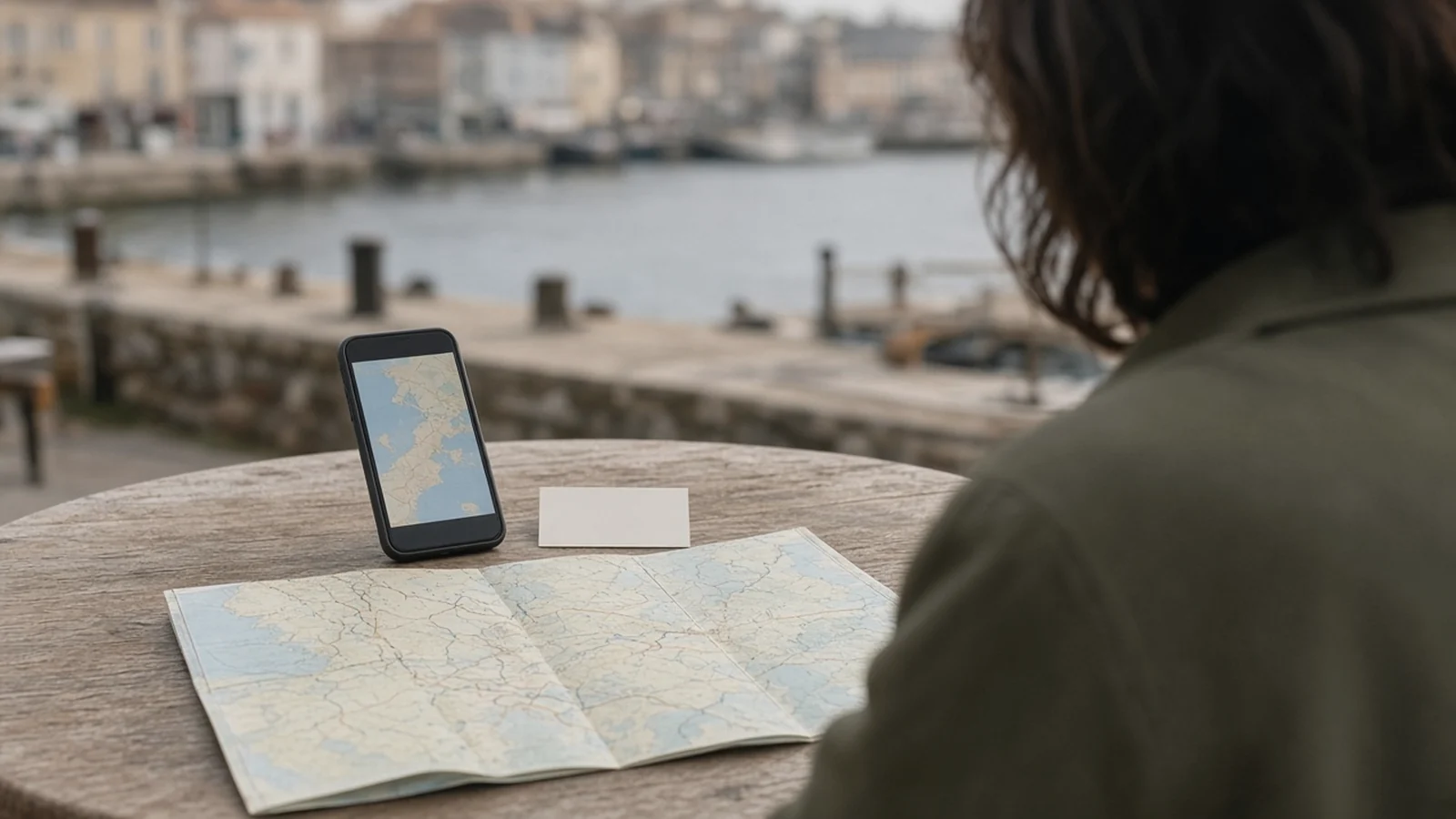
Short version: set up your mobile data before you fly, not on the quay. An eSIM is a convenient way to do that if your phone supports it. If your home plan already includes usable European roaming in Greece, you may not need another product. Coverage is generally good in towns and along main roads, and it can be patchy on ferries, in mountains, and on smaller islands. This page does not quote plan prices.
Data matters on a Greek island trip because tickets, maps, transfers and “which quay is it?” questions are easier when the phone works on arrival. For the journeys themselves, see island hopping from Athens, ferries for beginners, flying vs ferry and islands with airports. First-timer context is in best Greek islands for first-time visitors.
Before you travel: fares, schedules, opening hours, tax rates and seasonal rules change often, and the details on this page may be out of date. Always confirm current prices, times and rules with the operator or the official site, or locally, before you travel.
Quick answer
| Situation | Practical move |
|---|---|
| Your phone supports eSIM and you want a simple Greece plan | Install it at home, activate on arrival |
| Your home plan already roams in Greece in a way you trust | You may need nothing extra; confirm with your operator |
| You prefer a physical SIM and will arrive in hours | Buy it where you can actually complete the purchase, not after a late ferry on a small island |
| You will spend hours on boats and in remote coves | Download offline maps and tickets either way |
Why set it up before you fly

Arrival day is when you need data most: finding the bus, the transfer, the correct ferry gate, or the last stretch to a hotel in a pedestrian town. Airport queues, closed kiosks, and a dead roaming plan are all avoidable if you do the setup at home on wifi. Install, check that the phone accepts the profile, and keep a screenshot of any activation steps.
How an eSIM works in practice
An eSIM is a digital SIM you add in the phone’s settings. You keep your ordinary number for calls and texts if you want, and use the travel plan for data, or you follow the provider’s instructions for how the two should sit together. The exact taps differ by iPhone and Android, so use the provider’s current guide, not a remembered menu from an old trip.
You still need a compatible, unlocked phone. If the handset is locked to a home operator, or too old to accept an eSIM, this is not your method. Check that before you travel, not at the gate.
If you already have European roaming
Many European home plans already include Greece. If that is your situation, and you have confirmed it with your operator, you may not need a travel eSIM at all. Confirm fair-use limits and whether your plan treats Greece as included, not as an expensive add-on. This page is not going to guess your contract. Visitors arriving from outside Europe are the ones who most often need a separate data plan.
Ferries and smaller islands
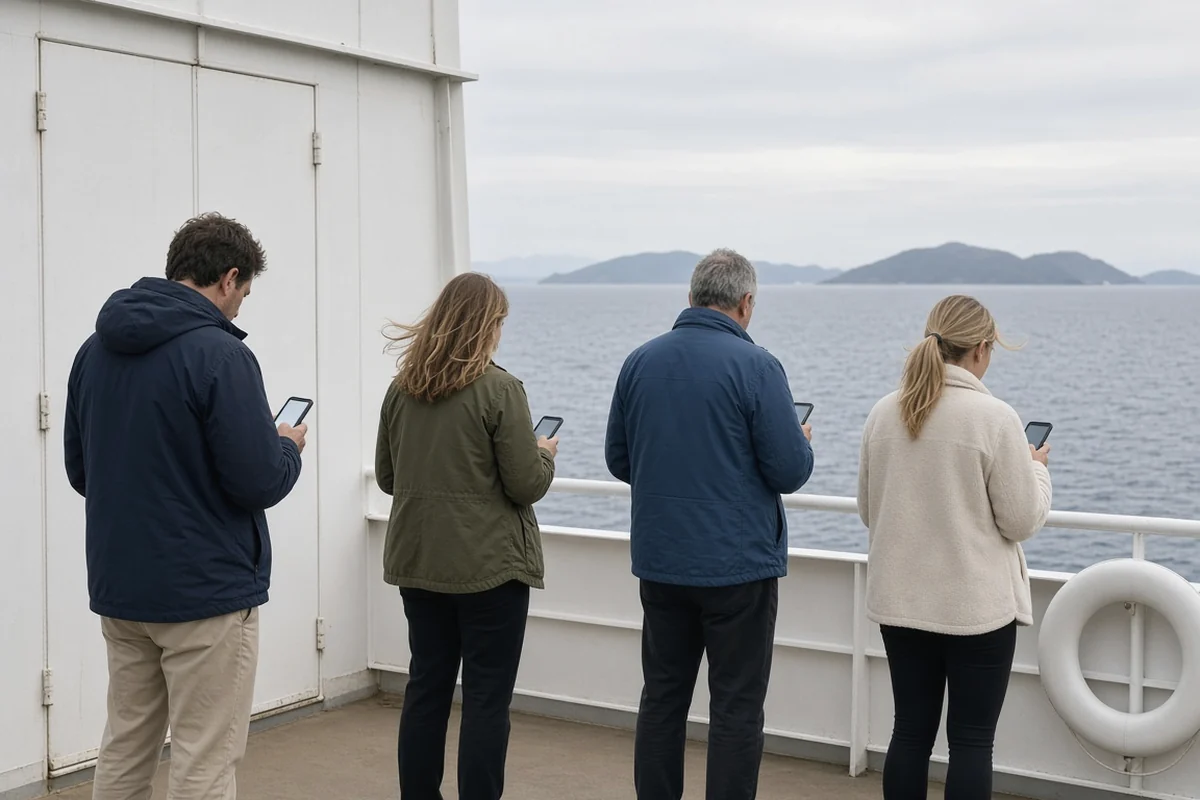
On a crossing, signal can drop in the middle of the water and return near the coast. That is normal. Download boarding passes, tickets, and offline maps before you leave the quay. On smaller islands and in mountain interiors, towns are usually fine and some coves are not. Do not rely on live navigation as the only way home from a remote swim.
Ship wifi, when it exists, is a bonus, not a plan. The same is true of hotel wifi the night before an early boat: it can fail, or you can be too tired to log in. Have the documents on the phone already.
Buying a plan
Buy from a provider you are willing to support, on their current terms, and ignore any prices you remember from a previous year. Our trip-ready checklist on this page includes a Greece eSIM partner link, clearly marked, if you want to use it. You can equally well use another eSIM provider, a physical SIM from a Greek operator, or your home roaming plan. This article will not invent a ranking or a price table.
If you buy a physical SIM, do it when shops are actually open and you can show whatever identification the shop requires. Do not build a late-night ferry arrival around a closed kiosk on a small island.
Common mistakes
- Waiting until you land to think about data.
- Buying a plan for a phone that cannot use an eSIM, or that is locked.
- Assuming there will be signal in the middle of a long ferry crossing.
- Leaving boarding passes only in an email you cannot open offline.
Trip-ready checklist
Some links below are from our partners. We may earn a commission if you book, at no extra cost to you.
- Tickets — compare flights for your dates; set up data before you fly so tickets and maps work on arrival.
- Hotels — once you have data, it is easier to reach your stay. Use the island where-to-stay pages, starting with first-time visitors if you are still choosing.
- Car — data helps with maps if you hire, but download offline maps too. See islands without a car if you may not need a car.
- eSIM — set up a Greece data plan before you fly so tickets and maps work on arrival.
Frequently asked questions
Do I need an eSIM for the Greek islands?
You need a way to use maps, tickets and messages when you arrive. An eSIM is one of the simplest if your phone supports it, especially if you set it up before you fly. If your ordinary plan already includes European roaming that works in Greece, you may not need a second plan.
When should I install an eSIM?
Before you leave home, while you still have reliable wifi. Install and test what you can, then turn the plan on when you arrive, following the provider’s instructions. Do not wait until you are on a dark quay with no signal.
Will I have signal on ferries and small islands?
Often yes near shore and in towns; often patchy or absent in the middle of a crossing, in some mountain interiors, and in a few remote coves. Download offline maps and boarding passes. This is normal, not a reason to skip data altogether.
Should I buy a physical SIM at the airport instead?
You can, if you prefer a local counter and your phone has a slot. An eSIM avoids the queue and the wait for a shop to open. Choose the method that fits your phone and your arrival time, and do not rely on a closed island kiosk after a late ferry.
Sources and useful links
This page does not quote plan prices or data caps, because they change. Check current details with your chosen provider. Our trip-ready checklist uses a Greece eSIM partner link; you are free to use another provider, a physical SIM, or roaming from your home plan instead.
For the travel context in which data actually matters, see island hopping from Athens and ferries for beginners.
Fares, timetables and opening seasons change. Check current details with the operator or official site before you book. This page does not quote prices or clock times from booking or guide sites.