Naxos vs Paros vs Milos: Which Cyclades Island Fits Your Trip?
Last updated: October 2026
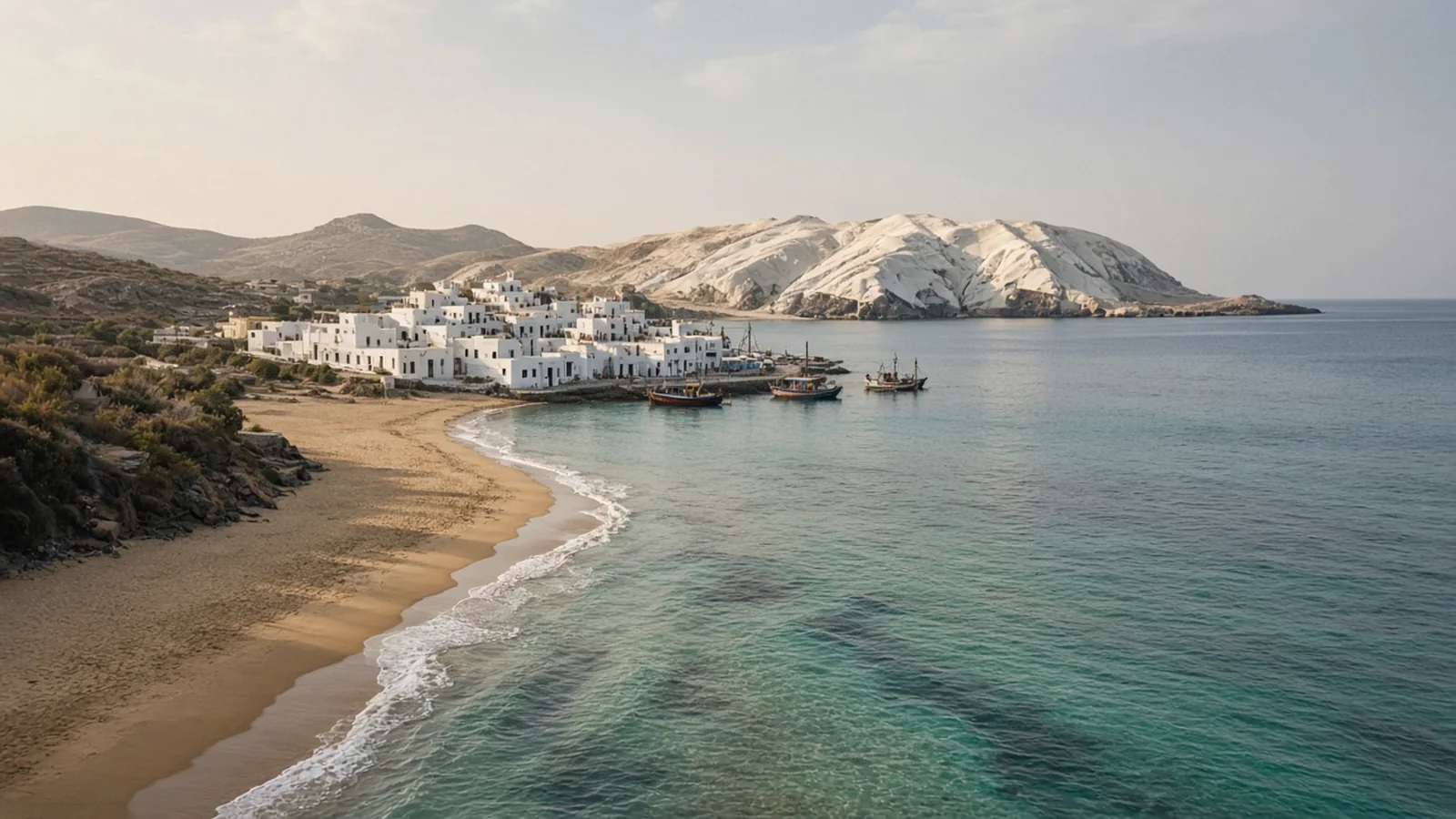
Three very different islands that all end up on the same shortlist.
Naxos, Paros and Milos are the three Cyclades islands people most often can’t decide between, and it’s easy to see why. All three have great beaches, good food and enough to fill a week. But they feel different once you’re there. Naxos is big, green in places and self-sufficient, with long sandy beaches and mountain villages. Paros is smaller and more polished, with two lively harbour towns and the best ferry links in the Cyclades. Milos is all about the coastline: white volcanic rock, sea caves and coves you reach by boat.
This guide compares them on the things that actually change your trip: the beaches, the wind, getting around without a car, ferries, crowds, and how many nights you need. We’ve been honest about the downsides of each. If you’ve already narrowed it to two, our Paros vs Naxos comparison goes deeper on that pair.
Quick answer: Naxos, Paros or Milos?
Choose Naxos for easy sandy beaches, families, travelling without a car, food and variety. It’s the best all-rounder of the three.
Choose Paros for pretty harbour towns, evenings out and island hopping. It’s the easiest hub, with day trips to Antiparos and quick boats to Naxos.
Choose Milos for the most dramatic coastline and boat days. It suits couples and photographers, but works best with a car and some flexibility around the weather.
Only four nights? Pick one island. With seven to ten nights, Paros and Naxos pair easily, and Milos works as a separate leg if the ferry days line up.
Naxos vs Paros vs Milos at a glance
| Naxos | Paros | Milos | |
|---|---|---|---|
| Feel | Big, varied, lived-in; farming villages and a mountain interior | Polished and sociable; two harbour towns | Wild, volcanic coastline; small villages |
| Best known for | Long sandy west-coast beaches, the Portara, mountain villages | Naoussa, Parikia, Lefkes, Antiparos day trips | Sarakiniko, Kleftiko by boat, Klima’s fishermen’s houses |
| Beaches | Long, sandy, shallow; easy for families | Varied sandy bays; some very windy | Spectacular but varied: rock, pebbles, small coves |
| Without a car? | Good, if you stay in Chora or on the west-coast beach strip | Good, if you stay in Parikia or Naoussa | Harder; a car makes Milos far easier |
| Ferry links | Excellent, all year | The best of the three; the main central-Cyclades hub | Good from Piraeus; fewer island-to-island options |
| Fastest ferry from Piraeus | about 3 hours | about 2 hrs 40 mins | about 2½ hours |
| Airport | Yes, small (flights from Athens) | Yes (flights from Athens) | Yes, small (flights from Athens) |
| Ideal stay | 4–7 nights | 4–6 nights | 4–5 nights |
| Less ideal for | Nightlife seekers who want a scene | People who want quiet, empty beaches in summer | No-car trips, toddlers, anyone who hates rocky entries |
Ferry times are the shortest high-speed crossings listed on Ferryhopper for 2026; slower conventional ferries take several hours longer. See Getting there.
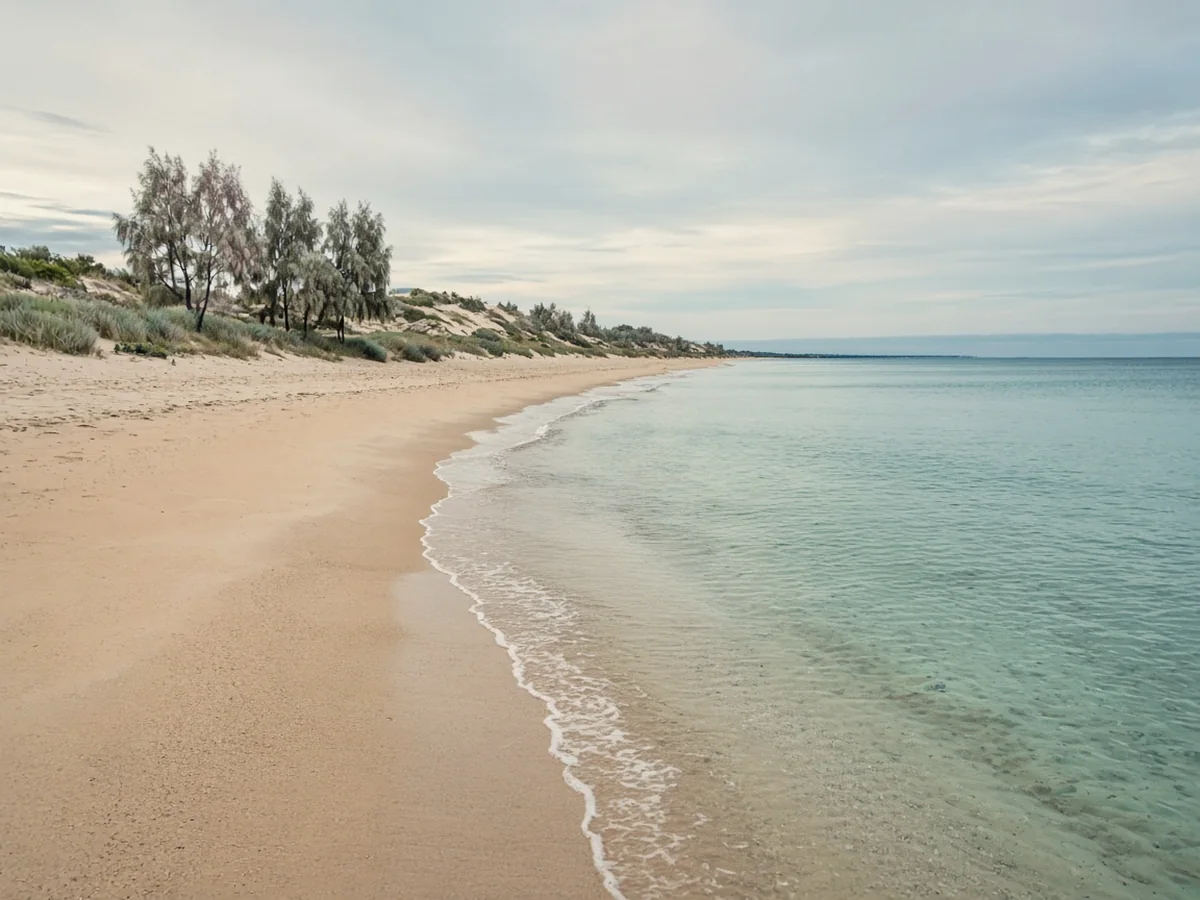
Beaches: sand, rock or boat-only coves?
Naxos has the easiest beaches of the three. A string of long, sandy beaches runs south from the main town, Chora, down the west coast: Agios Georgios on the edge of town, then Agios Prokopios, Agia Anna and Plaka, with quieter stretches further south. The water is shallow and clear, there are tavernas and sunbeds, and buses run along the coast in summer. If your idea of a beach day is sand, a lounger and a long lunch, Naxos is hard to beat.
Paros has a wider mix. Kolymbithres, on the bay across from Naoussa, is known for its smooth granite rocks. Golden Beach and New Golden Beach on the east coast are long and sandy, and popular with windsurfers. Santa Maria, near Naoussa, has a beach-bar scene. Many beaches have tavernas and sunbeds, and you can take a short ferry to Antiparos for more. The catch is the wind (see below), which can make a north-facing beach unpleasant on some days.
Milos has the most memorable coastline: the white, wind-carved rock of Sarakiniko, the colourful cliffs at Firiplaka and Paleochori, and the sea arches of Kleftiko, which you see on a boat trip. But “beach” on Milos often means rock ledges, pebbles or a small cove with a steep path. Tsigrado, for example, involves a steep descent with a ladder and rope. It’s thrilling for confident swimmers and less fun with small children. Kleftiko boat trips depend on the sea, so leave a spare day in case one is cancelled.
Verdict: Naxos for easy, sandy beach days. Milos for the most striking scenery, with a bit more effort. Paros sits in between.
Wind: the meltemi changes everything
In summer, the Cyclades get the meltemi, a strong north wind. The meteo.gr / National Observatory of Athens explainer puts its peak between mid-June and early September. It can blow for days, make north-facing beaches rough and occasionally disrupt small boats and high-speed ferries.
- Naxos: the main west-coast beaches are reasonably sheltered compared with the north coast, though Plaka and the beaches further south can still be breezy (and Mikri Vigla is a well-known kitesurfing spot).
- Paros: the island is famously windy. The east-coast beaches, such as Golden Beach, are a windsurfing centre for a reason. On a strong meltemi day, choose a sheltered bay instead.
- Milos: the horseshoe shape helps. When the north wind blows, the south-coast beaches are usually calmer, and some boat trips change route. But a rough sea can cancel Kleftiko trips altogether.
The practical fix is the same everywhere: check the forecast each morning and choose a beach on the sheltered side. If you’re travelling in July or August and hate wind, Naxos’s west coast is usually the safest bet of the three. If your dates are flexible, May is generally calmer; see our Greek islands in May guide.
Towns, villages and evenings
Naxos Chora is a real working town with a port, a Venetian Kastro quarter on the hill, a long waterfront of cafés and the Portara, the marble gateway of an unfinished ancient temple, on an islet by the harbour. Inland, the mountain villages of Halki, Filoti and Apiranthos are a different world from the beaches, and Mount Zas is the highest peak in the Cyclades. Evenings are relaxed rather than wild.
Paros has two contrasting towns. Parikia, the port and capital, has an old quarter of whitewashed lanes and the Panagia Ekatontapiliani church. Naoussa, on the north coast, is a pretty fishing harbour that has become the island’s chic evening spot, with cocktail bars and busy restaurants. Lefkes, in the hills, is the classic inland village. If you want somewhere to dress up for dinner and stay out late, Paros does it best.
Milos is quieter. Adamas is the practical port town. Plaka, on the hill, is the island’s main village, with lanes, sunset views and an evening stroll. Pollonia is a small seaside village with good tavernas. The fishing villages, such as Klima, with houses built right at the water’s edge, are lovely to see, but there’s no big nightlife scene.
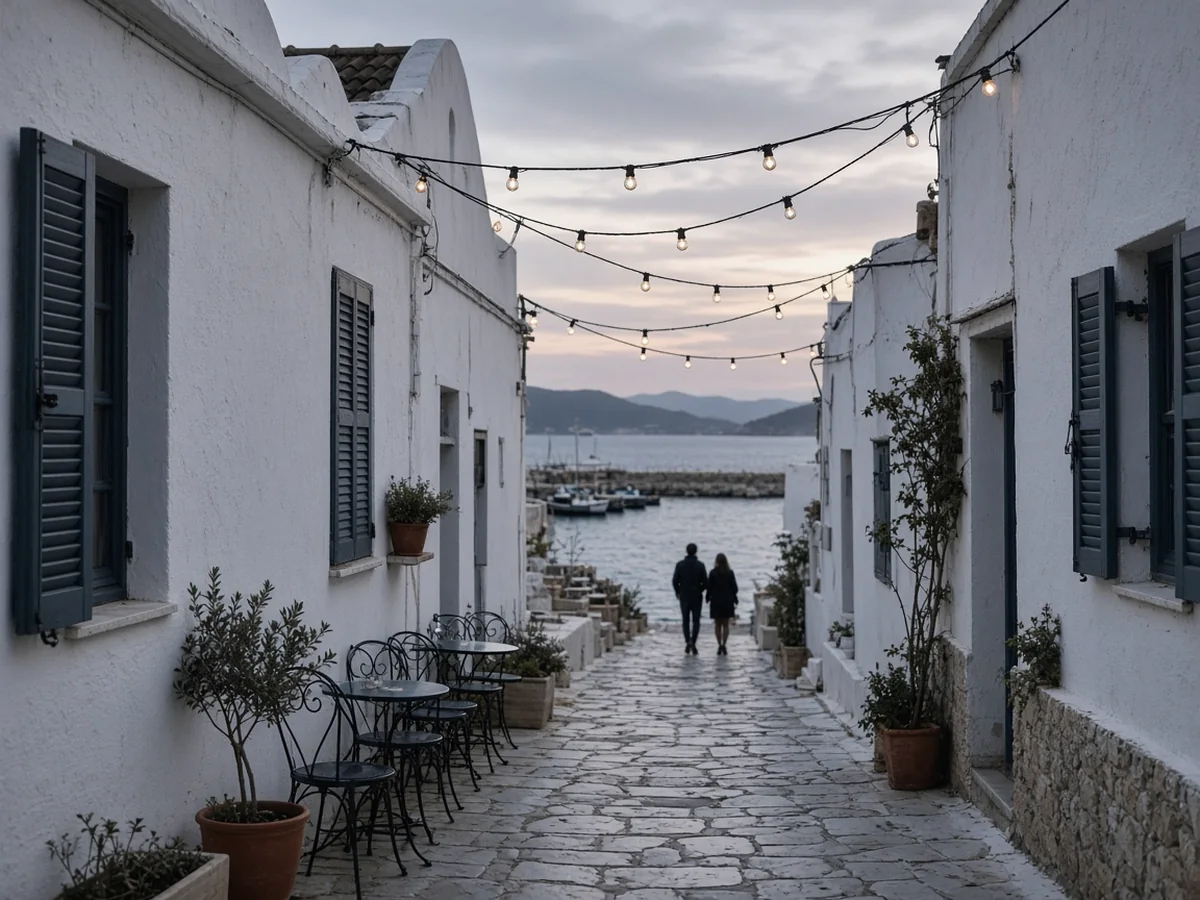
Getting around: can you do it without a car?
Naxos works well without a car if you stay in Chora or on the west-coast beach strip between Agios Georgios and Plaka. In July and August 2026, KTEL Naxos ran buses from Chora to Agios Prokopios, Agia Anna and Plaka every 30 minutes from early morning until after midnight, and the mountain villages, such as Halki, Filoti and Apiranthos, had several buses a day. Hire a car for a day or two to see the quieter east and south.
Paros also works without a car if you stay in Parikia or Naoussa, which are the bus hubs. KTEL Paros runs all year from Parikia, next to the port, to Naoussa and the villages, and Parikia–Naoussa is the busiest line, with more than 20 departures a day in September 2026. Seasonal beach buses run from Naoussa. A scooter or car helps for the quieter beaches.
Milos is the hardest without wheels. Milos Buses runs from Adamas, by the port, to Plaka and Trypiti, Pollonia, Sarakiniko and a few other beaches, but timetables change week by week, there are fewer buses outside summer, fares are cash only, and much of the island’s best coastline is on rough or unpaved roads, and the western half is wild. Most visitors rent a car, or base themselves in Adamas or Pollonia and add boat trips.
Planning a car-free trip? Our Greek islands without a car guide compares the islands in more detail.
Getting there: ferries and flights
All three islands have year-round ferries from Piraeus and a small airport with short flights from Athens, operated by Olympic Air and Sky Express. Flights take about 40–45 minutes on small turboprop planes. In late October 2026, Athens–Milos had about 10 flights a week, Athens–Naxos about 17 and Athens–Paros about 24 (2LNR schedule data); schedules change by season. Seats are limited, so book early for summer.
| Ferry route (2026) | Crossing time | How often |
|---|---|---|
| Piraeus – Paros (Parikia) | about 2 hrs 40 mins (high-speed) to 5 hrs | Daily, all year; up to 6 a day |
| Piraeus – Naxos | about 3–3¼ hrs (Seajets) to 5–7 hrs (Blue Star) | Daily, all year |
| Piraeus – Milos (Adamas) | about 2½ hrs (high-speed) to 7 hrs | Daily, all year |
| Paros – Naxos | from about 25 mins (high-speed); about 40–50 mins (Blue Star) | Daily; up to 10+ a day in high season |
| Paros – Milos | from about 1½–1¾ hrs (high-speed) | 3–7 days a week |
| Naxos – Milos | about 2–4½ hrs (high-speed, depending on stops); 5+ hrs (weekly Blue Star) | 1–7 days a week |
Sources: Ferryhopper route pages and Discover Cyclades route summaries (both checked for 2026). 2027 timetables weren’t published when we wrote this, so check your dates.
The key point for planning: Paros and Naxos are next door, with many boats a day, while Milos is in the Western Cyclades, so direct links to Paros and Naxos are fewer, especially outside summer. New to Greek ferries? Read Greek island ferries for beginners before you book.
Crowds and cost
None of these is a secret. Paros and Milos have both become very popular, and in July and August Naoussa and the famous Milos spots (Sarakiniko, Kleftiko) get busy. Rooms on Milos fill early because the island has less accommodation than its fame suggests. Naxos is the largest Cycladic island and has the most room to spread out, plenty of family-run places to stay and a strong local economy, so it often feels less crowded and offers more choice at different budgets.
We won’t give you made-up price percentages. Prices depend far more on your dates, area and room type than on the island’s name. Compare the same type of room in the same kind of location, and book early for July and August. For timing ideas, see our cheapest time to visit guide.
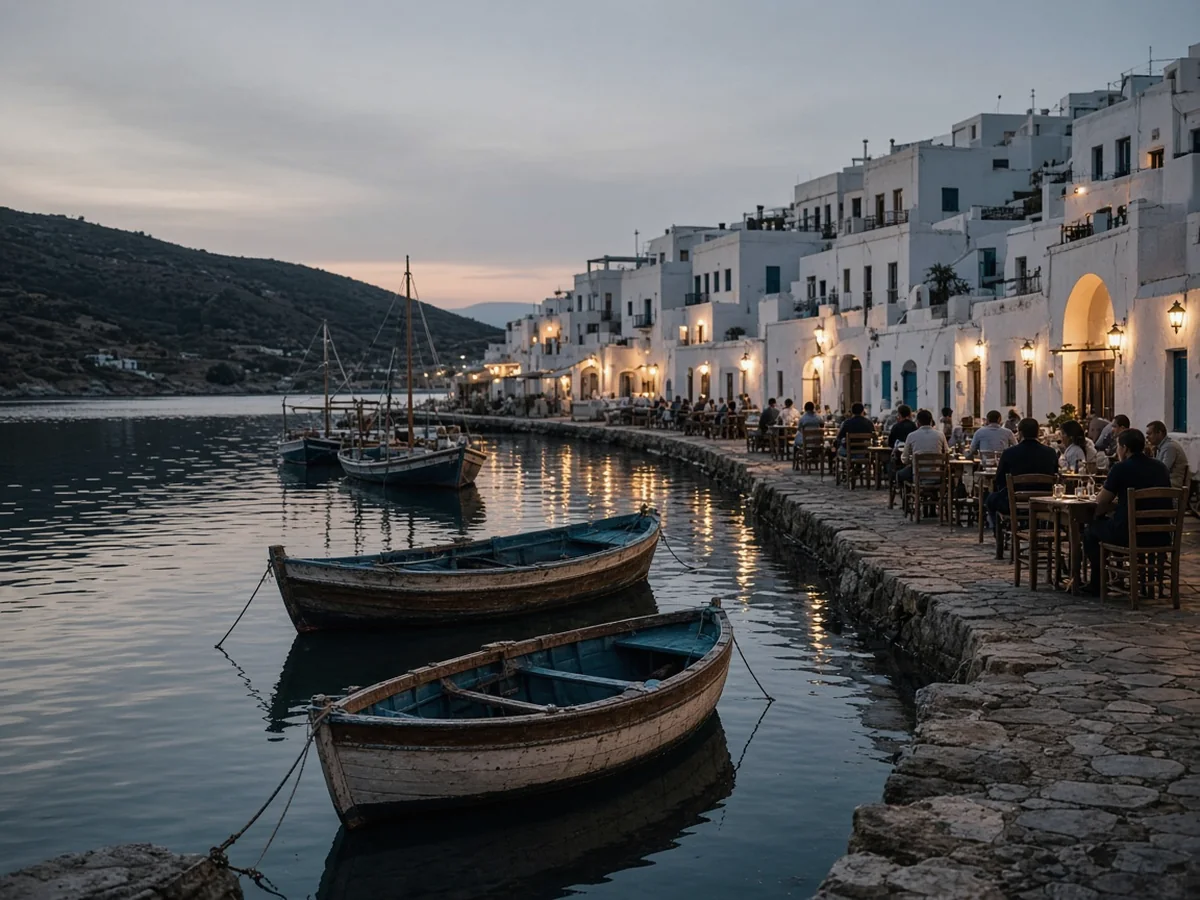
Who should choose which island?
| If you’re… | Choose | Why |
|---|---|---|
| A first-timer in Greece | Naxos or Paros | Easy logistics, good buses, plenty of choice. See our best islands for first-time visitors. |
| A family with young children | Naxos | Shallow sandy beaches close to town, lots of family-run places to stay. See Naxos with kids. |
| A couple | Milos or Paros | Milos for scenery and boat days; Paros for evenings in Naoussa. More in best Greek islands for couples. |
| Travelling without a car | Naxos or Paros | Both have bus hubs and beaches you can reach easily. Milos really wants a car. |
| Into nightlife | Paros | Naoussa has the liveliest evenings of the three. |
| Into hiking and villages | Naxos | The mountain interior, old villages and trails. |
| A photographer or geology fan | Milos | Volcanic rock, coloured cliffs, sea caves. |
| Island hopping | Paros (plus Naxos) | The best connections in the central Cyclades. |
How many nights do you need?
- Naxos: four nights covers the beaches and Chora; six or seven lets you add the mountain villages and a day trip to the Small Cyclades.
- Paros: four nights for Parikia, Naoussa, Lefkes and the beaches; add a night or two for Antiparos.
- Milos: four or five nights, including one spare day for the weather-dependent boat trip.
For four nights total, pick one island. Moving uses up half a day each time.
Can you combine them?
Paros + Naxos is the easiest combination in the Cyclades: the crossing is short and there are many boats a day in season. Our 10-day Paros and Naxos itinerary lays it out day by day.
Milos + Paros or Naxos works too, but it takes more planning. Direct high-speed boats run on some days, especially in summer, and the conventional options are slow. A common pattern is Athens → Milos → Paros → Naxos → Athens (or the reverse), flying or taking the ferry back to Athens at the end. Check the timetable before you fix your hotel nights. If Santorini is also on your list, see Milos vs Santorini. For building a route, see Greek island hopping from Athens.
All three in 10 days? It’s doable at about three nights each, but you’ll spend a fair bit of time in transit. Two islands in 10 days is more relaxing.
Our verdict
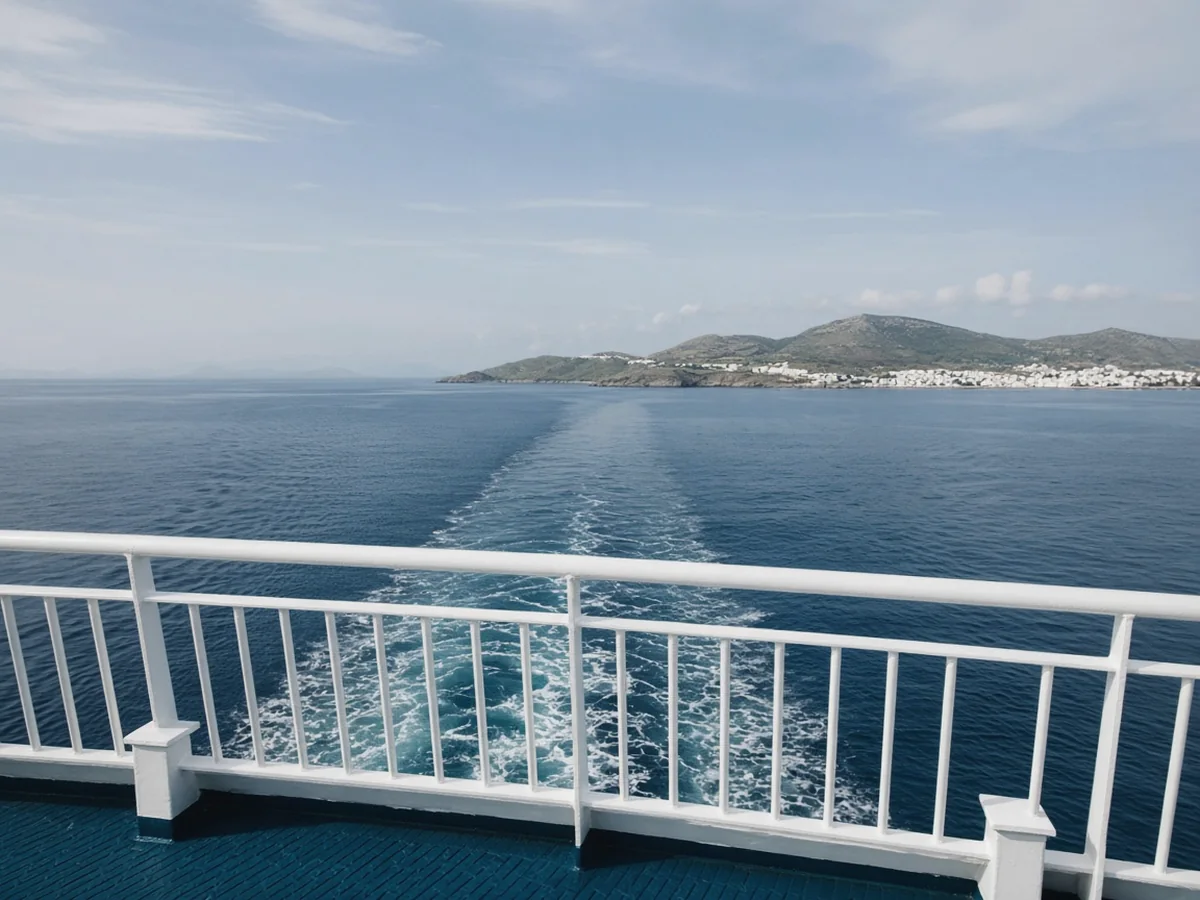
If you can only choose one, Naxos is the safest choice for most people: the easiest beaches, good buses, the most variety and the most choice of places to stay. Choose Paros if you want prettier towns, livelier evenings and an easy island-hopping hub. Choose Milos if the coastline is the point of the trip, you’re happy to drive and you can be flexible about the weather. And if you have a week or more, there’s no rule against two.
Leaning towards Naxos? Our where to stay in Naxos guide compares Chora and the beach bases, with places to stay in each.
Frequently asked questions
Which is better, Naxos, Paros or Milos?
None is better overall; they suit different trips. Naxos is the best all-rounder for sandy beaches, families and travelling without a car. Paros has the prettiest towns, the liveliest evenings and the best ferry links. Milos has the most dramatic coastline and boat trips, but works best with a car.
Is Milos or Naxos better for beaches?
Naxos is better for easy beach days: long, sandy, shallow beaches close to town with tavernas and buses. Milos has more spectacular scenery, such as Sarakiniko and the Kleftiko sea caves, but many of its swimming spots are rocky or reached by boat or steep paths.
Is Milos or Paros better?
Choose Paros for harbour towns, nightlife and easy island hopping, especially without a car. Choose Milos for scenery, geology and boat days, ideally with a rental car and a spare day for the weather.
Which island is best for 4 nights: Naxos, Paros or Milos?
With four nights, pick one island rather than moving. Naxos or Paros are easiest for a short stay, with quick ferries or flights from Athens. Milos also works for four nights if you’re happy to rent a car and leave one day free for a boat trip.
Can you do Naxos, Paros and Milos in one trip?
Yes, with 10 days or more. Paros and Naxos are a short ferry apart. Milos is in the Western Cyclades, so direct boats to Paros or Naxos are fewer, especially outside summer. Check timetables before you book hotels.
Do you need a car in Milos, Naxos or Paros?
Not on Naxos or Paros if you stay in the main towns or on the bus routes. On Milos, a car makes a big difference, as many of the best beaches are on rough roads and buses are limited.
Which island is least windy in summer?
The meltemi affects all three. Naxos’s main west-coast beaches tend to be more sheltered than Paros’s windy east coast. On Milos, the south-coast beaches are usually calmer when the north wind blows, but boat trips can still be cancelled.
Sources and useful links
- Ferryhopper: Piraeus–Paros ferries
- Discover Cyclades: Piraeus–Naxos ferries
- Ferryhopper: Piraeus–Milos ferries
- Ferryhopper: Naxos–Paros ferries
- Ferryhopper: Paros–Milos ferries
- Discover Cyclades: Naxos–Milos ferries
- 2LNR: Athens–Milos flight schedule
Ferry timetables, flight schedules and boat trips change by season. This independent guide is for research and inspiration; check current details before you travel.