Andros Travel Guide: Beaches, Chora and Walking
Last updated: November 2026
Before you travel: fares and schedules change often, and the prices and times on this page may be out of date. Always confirm current prices and times with the operator, or locally at the port or bus station, before you travel.
The short version
Andros rewards a slightly different kind of Cyclades holiday. There are sandy bays and white houses, but also green valleys, springs, substantial villages and the maritime character of Chora. It suits someone who wants a swim one day and a proper countryside walk the next. It is not a little island you can understand by staying beside the ferry ramp.
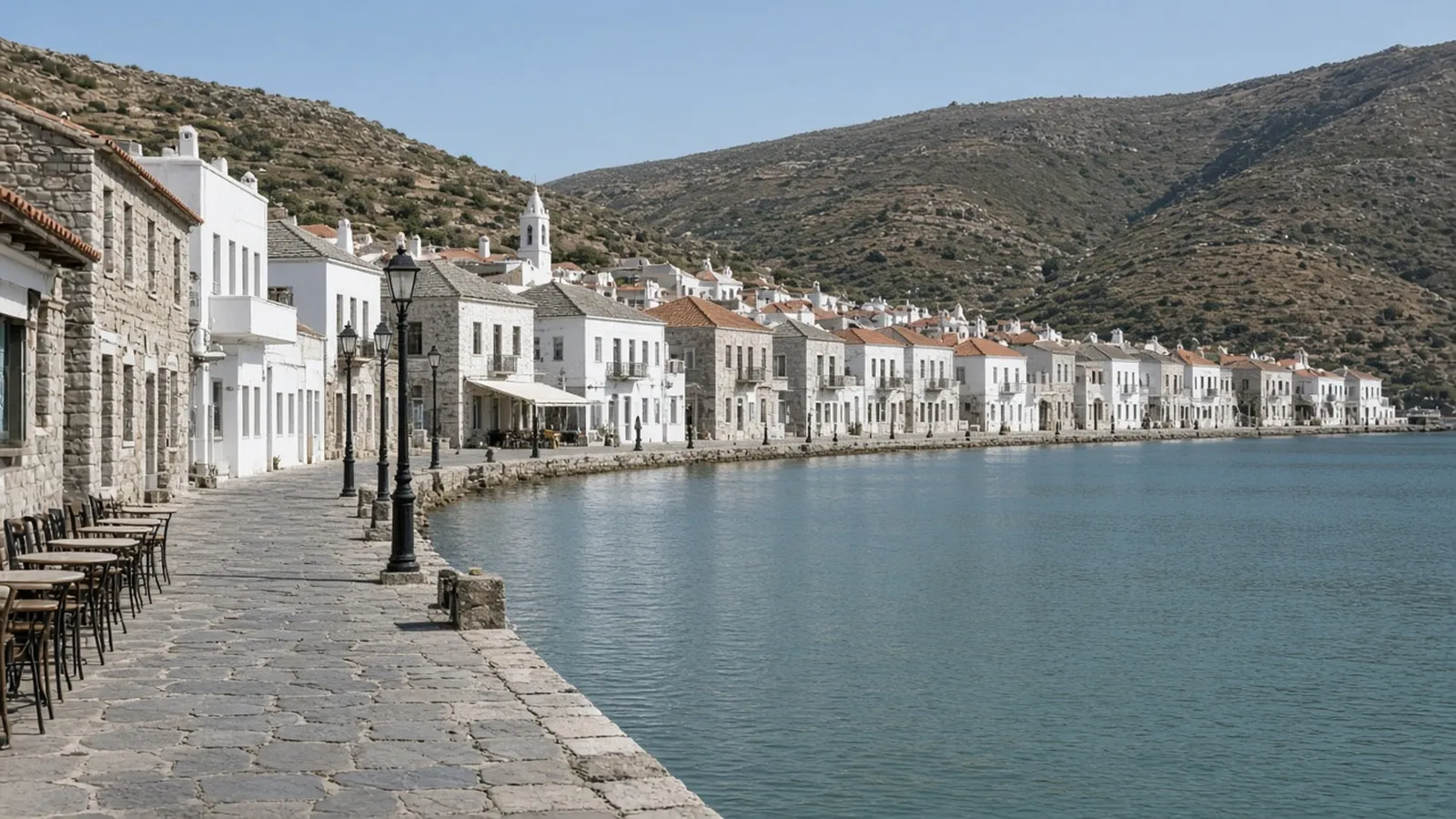
The first planning decision is geography. Ferries use Gavrio on the west side. Batsi is a convenient seaside holiday base, while Chora, also written Hora, is the capital on the eastern side. Choose between them deliberately. A room described simply as being on Andros tells you almost nothing about the holiday you will have.
Is Andros right for you?
| Your holiday style | How it fits | What to consider |
|---|---|---|
| Beach-first visitors | Batsi and the western bays make a practical starting point | Not every remote beach is an easy drive |
| Walkers and village explorers | Varied inland scenery and established walking routes | Choose routes for your fitness and the weather |
| Art and architecture interests | Chora adds galleries and maritime streets to beach days | Check individual exhibition opening dates |
Choose Andros for variety rather than a single famous photograph. Families can keep things straightforward around a beach base; keen walkers can make the inland villages the focus. Trying to cover both ends of the island every day is the less enjoyable version. See also our best Greek islands for hiking guide.
Where to stay
| Base | Why choose it | The trade-off |
|---|---|---|
| Batsi | Beach, restaurants and an easy holiday rhythm | Summer activity and noise around the waterfront |
| Chora | Town life, architecture and cultural visits | Across the island from the ferry port |
| Gavrio | Simple arrivals and departures | More functional port atmosphere |
| Agios Petros / Kypri | Western beach access | Check walking connections to meals and bus stops |
| Korthi area | A quieter southeastern base | Less convenient for western beaches and port transfers |
For a first beach holiday, start with Batsi. For a walking and culture trip, compare Chora and its surrounding villages. Staying in Gavrio can make sense for an awkward sailing rather than as the automatic choice for the whole visit. In scattered accommodation outside a village, ask how you will reach dinner without driving.
A split stay is possible on a longer holiday, but for three usable days choose one base. Moving bags across the island is rarely the best use of a short break. A transfer booked for the right ferry is worth more than a vague assurance that transport will be easy.
Beaches to put on your list
Batsi is the straightforward option: a sandy town beach with food close by. It is a useful choice for people who want the day to involve swimming and lunch, rather than a navigation exercise. Agios Petros and Kypri are western alternatives near the main road between Gavrio and Batsi; check the exact bus stop and road crossing if travelling without a vehicle.
Chrysi Ammos suits a more serviced beach day, but the municipality describes a lively beach-bar setting. Do not choose it expecting silence. On the Chora side, Neimporio is convenient for combining a town visit with a swim.
Achla, Vitali and Zorkos belong on a longer wish list rather than a compulsory first-day circuit. Ask locally about the final road and your rental agreement before setting off. A beautiful cove does not make a rough approach appropriate for every driver. Avoid treating photos of calm water as evidence that the beach will be sheltered when you visit.
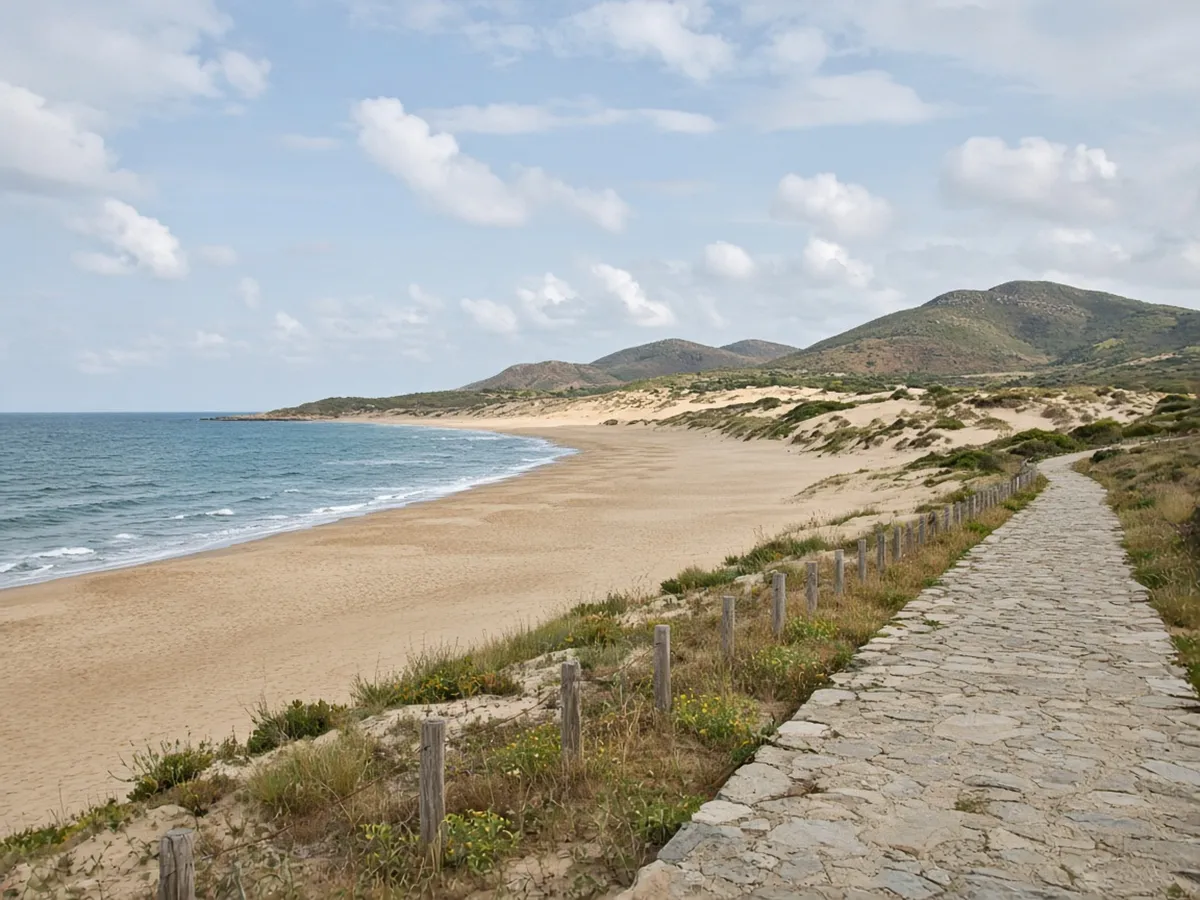
Treat beach descriptions as a starting point, not a promise about the sea on your day. Look at waves and the entry before swimming, keep children close and leave if the conditions feel wrong. Carry drinking water, shade and a bag for your rubbish. Do not assume a beach bar, lifeguard or boat back will be available simply because someone mentions one in an older holiday review.
Things to do beyond the beach
Chora is worth time on foot even if you are staying on the west coast. Its architecture and seafaring history make it feel different from a purpose-built resort. The Goulandris Museum of Contemporary Art is an obvious cultural lead, but check the current exhibition and opening arrangements before building a day around it. Leave time for the streets and a leisurely stop rather than aiming only for a museum doorway.
The inland landscape is another reason to come. Use a current walking map and the Andros Routes resources to choose a route, rather than following an old track downloaded without context. Springs, cultivated valleys and stone paths add variety, but shade and flowing water are not guaranteed along your chosen walk.
Korthi offers another side of the island if you have enough time. Pair it with a sensible local outing, not an attempt to visit every remote beach before returning to Batsi for dinner. The nicest Andros days usually have one main destination.
What to eat
Keep food plans tied to your base. Batsi works well for a beach-to-dinner routine, while Chora allows a meal to become part of a town walk. The island’s cultivated interior is a reminder not to order only seafood: ask what vegetables, pies or cooked dishes are available that day. A short menu can be perfectly good; a long list is not proof of local sourcing.
How to get there
Andros has no airport. The standard Athens-area ferry approach is from Rafina to Gavrio. Fast Ferries lists Andros among its destinations; check current sailings and fares on Fast Ferries. Do not transfer automatically to Piraeus because it is the Athens port you recognise.
Allow for the mainland transfer as well as the crossing. If combining Andros with Tinos or Mykonos, verify both legs for the actual dates rather than assuming a route advertised for a previous summer continues unchanged.
Build the trip around a service actually offered on your date, then arrange accommodation and transfers. Do not turn a summer route diagram into an assumption about a winter connection. On separate ferry and flight tickets, leave a sensible contingency before the flight home; an overnight buffer is often more useful than a faster boat. Confirm the port printed on the ticket and the luggage or vehicle conditions directly with the operator.
Getting around
A car gives useful flexibility for inland villages and beaches away from the main road. It is not compulsory for a deliberately local stay in Batsi or Chora. KTEL Andros publishes bus information linking Gavrio, Batsi and Chora, with other services shown on its timetable. Read the period and day carefully; an October table is not a guarantee for your visit.
Walking trails and road walking are different propositions. Do not turn a pleasant-looking map line along a fast road into an evening stroll. For a one-way hike, arrange the return before you start and carry an offline map.
When comparing transport, include the whole outing: getting to the start, getting back after dinner and what happens if the weather changes. A car-free base can work well even on an island where a car helps with wider exploring. The important distinction is between choosing a limited, enjoyable radius and expecting to reach every cove without planning. Our car-free island guide explains that trade-off.
When to visit
For a walking-led visit, spring and early autumn are attractive starting points, with shorter routes and earlier starts when it is hot. For a beach holiday, early summer is a useful compromise. High summer gives the fullest holiday atmosphere but less solitude at the easiest western bays. Andros can be windy; keep an alternative to the most exposed coast in your plan.
| Season | Plan around | Main caution |
|---|---|---|
| Spring | Village walks and countryside rather than a guaranteed swimming holiday | Check open businesses and transport before committing |
| Early summer | A balance of beach time and exploring | Sun exposure and availability still need planning |
| High summer | Book the base and essential journeys ahead | Heat, crowding at popular spots and weather disruption |
| Early autumn | Flexible beach days and walks | Seasonal services may finish before your holiday ends |
These are planning judgements, not a forecast. Spring swimming can feel cool, autumn rain is possible and the wind can change a beach day at any point in the season. We deliberately avoid neat air-temperature averages or promises of warm seas. Choose dates around the activities you care about, then check the forecast and current services shortly before travelling.
A realistic three-day plan
| Day | A manageable plan | Keep it flexible |
|---|---|---|
| 1 | Arrive at Gavrio, settle in Batsi and swim locally | Do not add Chora after a late arrival |
| 2 | Give Chora a town-and-culture day, with a nearby swim if conditions suit | Check museum access first |
| 3 | Choose one inland walk or a western beach outing | Arrange return transport before walking |
This is a suggestion for three usable days, not three dates with a late arrival and an early departure squeezed into them. If the first ferry gets in late, make the first evening only about checking in and finding dinner. Swap the coast day with the village day if the weather turns. Leave one unallocated half-day rather than treating every beach and viewpoint as compulsory.
The honest downsides
Andros is more spread out than first-time visitors often expect. A beach base on one side and a cultural stop on the other are not interchangeable addresses. Remote beaches can involve awkward roads, and a car does not remove the need for judgement.
The easy bays are popular in summer, while quiet rural accommodation can leave you dependent on driving. Wind may alter swimming and ferry plans. None of that rules Andros out; it simply makes choosing the right base the most important booking decision.
For the wider journey, use our ferries for beginners guide and Tinos travel guide. This page is an individual island hub, not a timetable or a promise that every neighbouring island has a direct connection.
Frequently asked questions
Is Andros worth visiting?
Yes, especially for visitors who want beaches alongside walking, villages and the cultural life of Chora. It is less suited to a tiny-island holiday where everything is a short stroll from the port.
Where should I stay on Andros?
Batsi is a practical beach-first base; Chora suits town life and cultural visits. Gavrio is convenient for ferries. Choose with the island geography and your transport plans in mind.
Do you need a car on Andros?
A car helps with inland villages and remote beaches. A local stay in Batsi or Chora can work without one if the current bus services and transfers suit your plans.
How many days should I spend on Andros?
Allow three usable days for a first look, plus travel time. Stay longer if you want unhurried beach days or walks; the right length depends more on your pace and connections than on a checklist.
How do you get to Andros?
Take a ferry to Gavrio, usually from Rafina in the Athens area. Check the operator for your date; Andros has no airport.
When is a good time to visit Andros?
Consider early summer for beaches and spring or early autumn for walking. High summer is busier, and wind can affect plans in any season.
Sources and useful links
- Municipality: beaches
- Municipality: access
- Fast Ferries: Andros
- KTEL Andros
- Visit Greece: nearby Cyclades
Independent planning guide. Transport, visitor access and seasonal businesses can change; confirm current arrangements directly before travelling.