Kalymnos Travel Guide: Climbing, Beaches and Bases
Last updated: November 2026
Before you travel: fares and schedules change often, and the prices and times on this page may be out of date. Always confirm current prices and times with the operator, or locally at the port or bus station, before you travel.
The short version
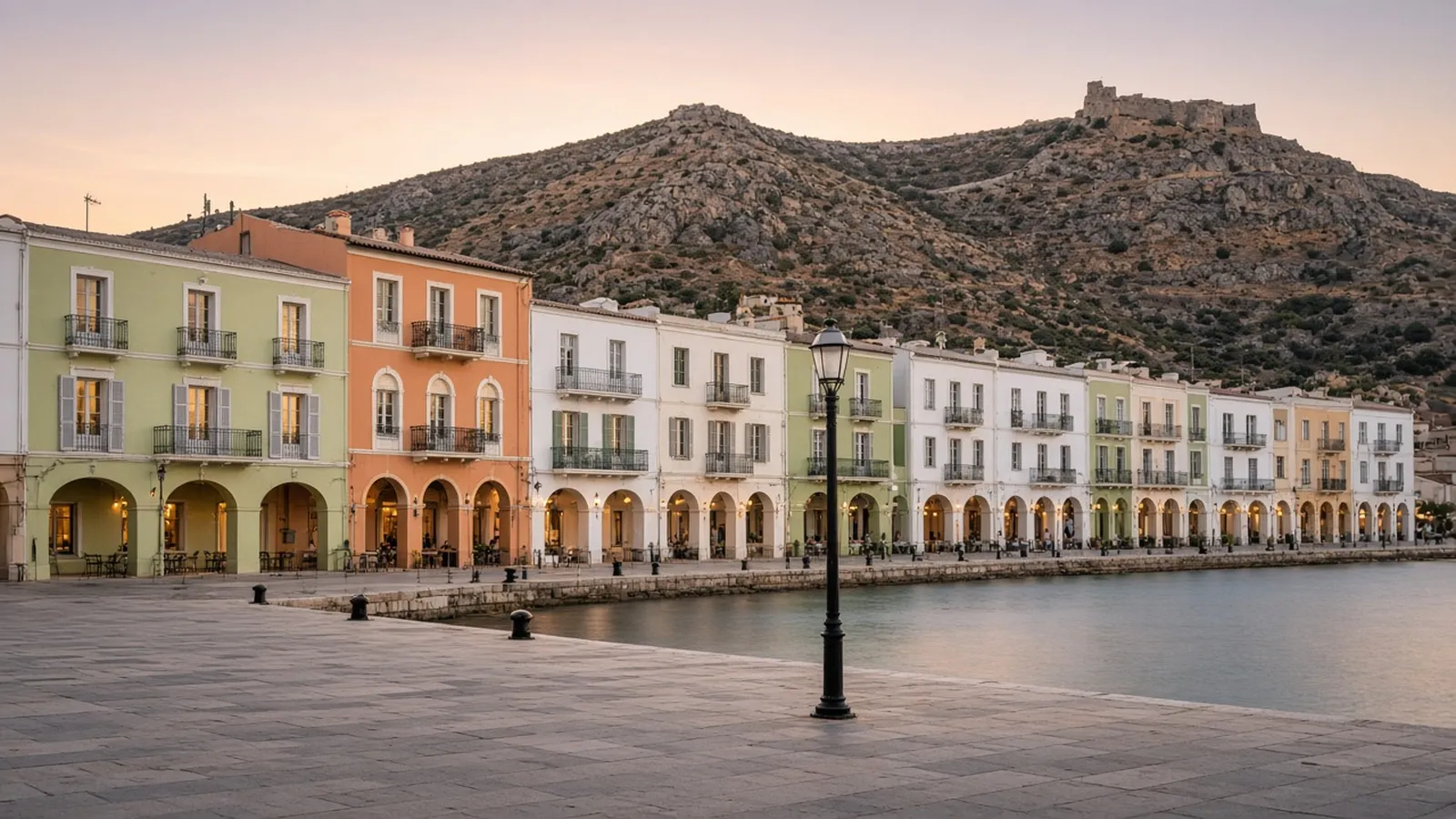
Kalymnos is a Dodecanese island with two strong identities: a maritime history shaped by sponge diving, and a modern reputation for rock climbing. You do not need to climb to enjoy it. Pothia is a colourful working port, the west coast has beach bases looking toward Telendos, and Vathys brings a greener valley into an otherwise rocky landscape. What you should not expect is an island designed entirely around an easy resort holiday. Roads, rock, working settlements and visitor areas all sit close together.
Choose a base according to what brings you here. Climbers often want the west-coast visitor infrastructure, whereas a short non-climbing visit may benefit from Pothia’s port access and services. Three full days allow a useful introduction, with more time needed if climbing sessions are the main purpose. A visit with Kos can work well, but only after the actual crossings and ports fit the plan.
Is it right for you?
| Your holiday | Our take | The compromise |
|---|---|---|
| Climbing holiday | A leading reason people choose Kalymnos | You need appropriate training, equipment and route advice |
| Working-island culture | Pothia and sponge-diving heritage are rewarding | Not every waterfront is a polished resort |
| Beaches without climbing | A perfectly reasonable holiday | Choose the coast and transport carefully |
The climbing reputation should not make non-climbers feel they have chosen the wrong island. There are villages, swims and maritime stories to enjoy at a gentler pace. Equally, a short holiday guide is not climbing instruction: beginners should arrange qualified guidance, and experienced climbers should obtain current local information about access, conditions and equipment.
Where to stay
| Base | Why choose it | Before booking |
|---|---|---|
| Pothia | Ferries, services and a working town | Traffic and harbour activity depend on the street |
| Masouri | Beach and climbing-oriented visitor infrastructure | Busy with visiting climbers in popular periods |
| Myrties | A coastal base facing Telendos | Check hills and road walking from your room |
| Emporios | A quieter stay in the north | Less convenient for frequent Pothia outings |
Pothia is the easiest place to start if arrival logistics and ordinary town life matter most. Masouri and Myrties suit a stay focused on the west coast. Emporios makes sense if quiet is a positive choice rather than simply the cheapest room you found. Ask how close the accommodation is to the places you will actually visit, not just to the sea.
Ask about steps, the walking route from the drop-off point and bedroom noise before booking. A sea view does not automatically mean easy access to the water.

Beaches
| Beach | Why go | Practical catch |
|---|---|---|
| Masouri | A popular sandy beach facing Telendos | Visitor activity is part of the atmosphere |
| Vlychadia | A choice of sand and pebbles near the south | Check the beach section and transport |
| Kantouni and Linaria | Accessible west-coast swimming options | Conditions and nearby activity vary |
| Arginonta | A smaller bay in rocky surroundings | Do not assume a quiet photograph means no visitors |
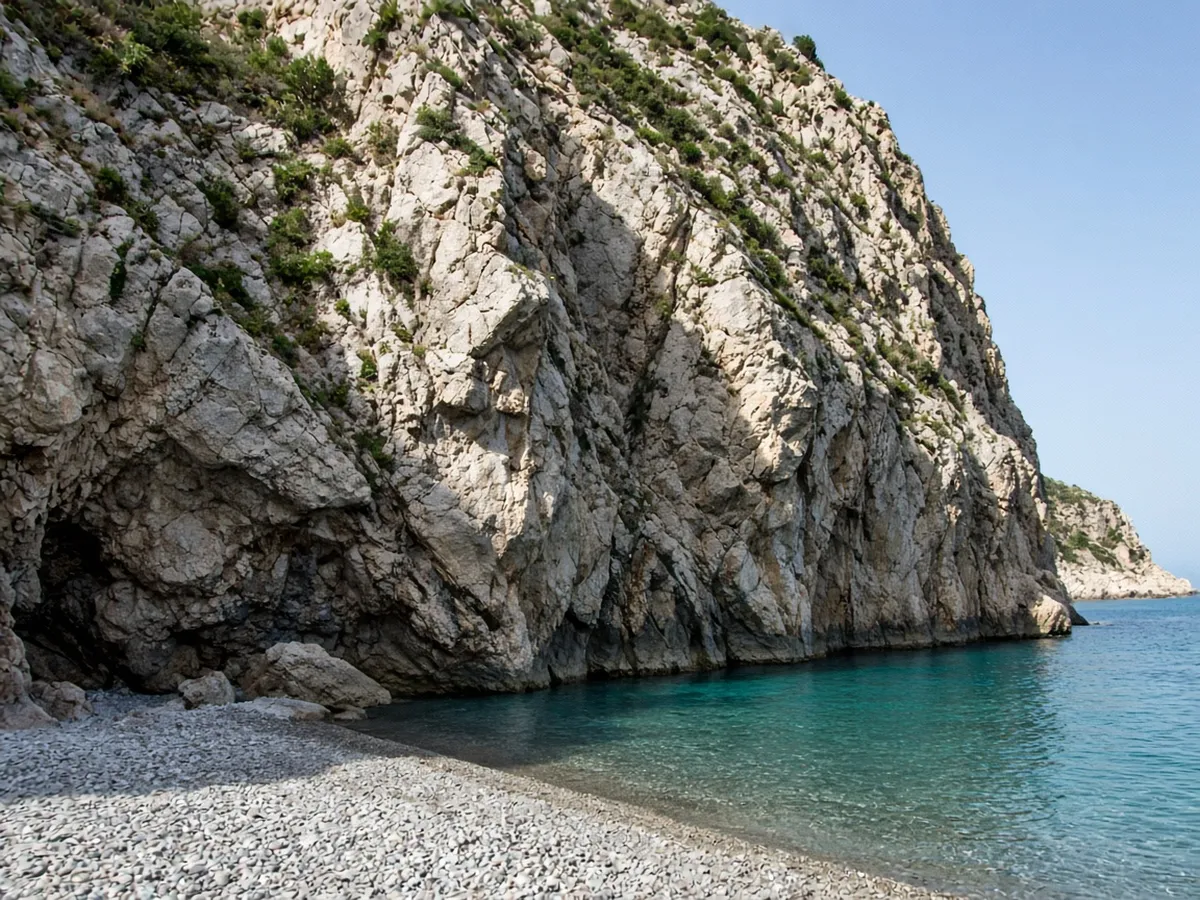
Kalymnos has a mixture of sand, pebbles and more adventurous coves. For a first visit, the straightforward shores offer enough variety without needing a remote landing. Avoid repeating blanket claims that every northern beach is boat-only: access arrangements can differ, and some tourism summaries are too general. Check the particular beach and current road or boat approach before setting out.
Choose a beach to suit the conditions, not an old photograph. Check waves and entry points, carry water and sun protection, and leave stones, shells and plants where they belong.
Things to do beyond the beach
Pothia and the sponge-diving story
Walk the port and side streets, noticing the captains’ houses, compact older homes and public buildings. The sponge-diving tradition is central to the island’s identity, not merely a souvenir theme. If you want a museum visit, confirm current opening arrangements locally. A waterfront walk and a conversation with a knowledgeable local business can still make an interesting morning if a museum is closed.
Climbing with the right expectations
The rock landscape is a defining sight even if you never put on a harness. Climbers should arrange the relevant instruction or current route information rather than relying on a general itinerary. Non-climbers can enjoy the setting without walking under active routes or disturbing equipment. Never treat an inviting cliff path as proof that it is a suitable unguided walk.
Vathys and Telendos possibilities
Vathys is known for its fertile valley and enclosed coastal setting, a contrast with the surrounding rock. It makes a worthwhile outing with a meal and time to pause. Telendos is another possible excursion from the west coast, but confirm the local boat and return first. Do not crowd both into an already busy arrival day just because they look close on the map.
What to eat
Seafood and local cheese are sensible things to ask about, alongside the day’s cooked dishes. Discover Greece highlights the barley rusk known as krithira kouloura. Try what appeals rather than chasing a long list of specialities across the island. Pothia gives a meal a working-harbour backdrop; the west coast suits dinner close to your room after a beach or climbing day. A simple lunch is often the better choice before an active afternoon.
Ask the price and approximate total before ordering fish by weight. Explain dietary restrictions clearly rather than assuming a familiar dish always follows the same recipe.
How to get there
Kalymnos has an airport, and the municipal tourism site describes flight access from Athens as well as ferry approaches. Check current flight options with Olympic Air rather than assuming the frequency shown in a general tourism description. For larger ferries check Blue Star Ferries; regional connections are listed by Dodekanisos Seaways.
Coming through Kos is another option. The municipal site lists local operators including ANEM Ferries and ANEK Kalymnou. Confirm whether your boat departs from Mastichari or Kos Town and where it arrives. Airport transfer, ferry departure and onward transfer are separate pieces of the journey, not one guaranteed connection.
| Part of the journey | What to confirm |
|---|---|
| Before paying | Exact departure and arrival ports, travel date and passenger or vehicle ticket |
| If changing from a flight | Airport-to-port transport and a realistic delay buffer |
| On departure day | Current operator notice, weather and the boarding point named on your ticket |
Do not build your last island night around a tight connection to an international flight. Separate tickets do not protect each other when a boat is delayed. Read our Greek island ferries for beginners guide for boarding, luggage and cancellations. The route suggestions here are planning options, not a promise of a sailing on your dates.
Getting around
The municipality lists buses, taxis and vehicle hire. Check the actual route and return that suit your dates rather than assuming every beach has frequent service. Walking works locally around a chosen base, but should not be stretched into an island-wide transport plan. Hills, roadside stretches and heat can turn a modest distance into an unpleasant outing.
A car is useful for changing coasts or visiting Vathys independently. If your stay centres on Masouri, the beach and a climbing course, targeted transfers may be simpler. Scooter hire requires appropriate licensing and confidence, not just a desire to avoid parking. Keep climbing access and beach access as separate questions when asking a rental company about routes.
When to visit
Climbing and beach visitors may want different conditions, so there is no single best month for everyone. Spring and autumn merit consideration for outdoor activity, with current conditions checked for the specific routes. High summer is more naturally a swimming holiday with careful attention to heat. Off-season visits need confirmed rooms, meals and transport, especially away from Pothia.
| Season | Good reason to go | What to check |
|---|---|---|
| Spring | Walking and village visits before the busiest beach weeks | Accommodation openings, transport and changeable weather |
| High summer | The widest choice of visitor services | Heat, crowding and wind before a long outdoor day |
| Early autumn | A slower mix of swimming and sightseeing | Return sailings and the seasonal closing dates of businesses |
| Winter | A visit centred on everyday island life | A confirmed place to stay, meals and workable transport |
These are seasonal planning patterns, not a forecast. For wider comparisons see the best time to visit the Greek islands. Book the season you actually want: a quiet walking holiday and a full-service beach holiday need different compromises.
A realistic three-day plan
- Day 1: Explore Pothia, the waterfront and the sponge-diving heritage. Settle in before attempting a second part of the island.
- Day 2: Spend time around Masouri and Myrties. Choose a swim, a properly arranged climbing session or a confirmed Telendos outing, not all three.
- Day 3: Visit Vathys for a change of landscape and a slow meal. Add another beach only if the transfer fits comfortably.
Treat this as three full days on the island, not an arrival evening and two hurried mornings. If your boat comes in late, move the first outing to the following day. Keep one activity optional so the trip still works if the weather changes. Travelling with children or anyone who tires on steps is a good reason to remove a stop, not add a faster vehicle.
Honest downsides
Kalymnos is not a uniformly quiet beach escape, and a climbing base is not automatically the best base for every traveller. Town traffic, rocky terrain and journeys between coasts deserve attention. Some coves need specific access checks. The island rewards a clear priority: trying to combine a serious climbing programme with constant sightseeing often leaves too little time to enjoy either.
Choose a base where you would enjoy an ordinary day even if an excursion were cancelled. The island should suit your habits, not only your photographs.
Frequently asked questions
Is Kalymnos worth visiting?
Yes for climbing, maritime character and a mix of working town and coastal villages. Non-climbers can enjoy it too.
How many days should I spend on Kalymnos?
Three full days give a non-climbing introduction. Climbers should allow extra time for sessions, rest and changing conditions.
Do I need a car on Kalymnos?
Useful for wider exploration, but not essential for every west-coast stay if transfers and local plans are arranged.
How do I get to Kalymnos?
Use the local airport or ferries. Via Kos, confirm whether your sailing departs Mastichari or Kos Town.
Where should I stay on Kalymnos?
Pothia suits services and arrivals; Masouri or Myrties suit the west coast; Emporios suits a deliberately quieter stay.
Is Kalymnos suitable for families?
Yes with a suitable beach and practical base. Rocky approaches, traffic and active climbing areas need ordinary supervision.
Sources and useful links
- Municipal tourism office: transport
- Visit Greece: Kalymnos
- Visit Greece: beaches
- Discover Greece: Kalymnos
Transport and visitor access change. Check current details with the operator or site before travelling. Independent planning guide, updated November 2026.