How Many Days in Paros? 2 to 6-Day Plans That Actually Work
Last updated: October 2026
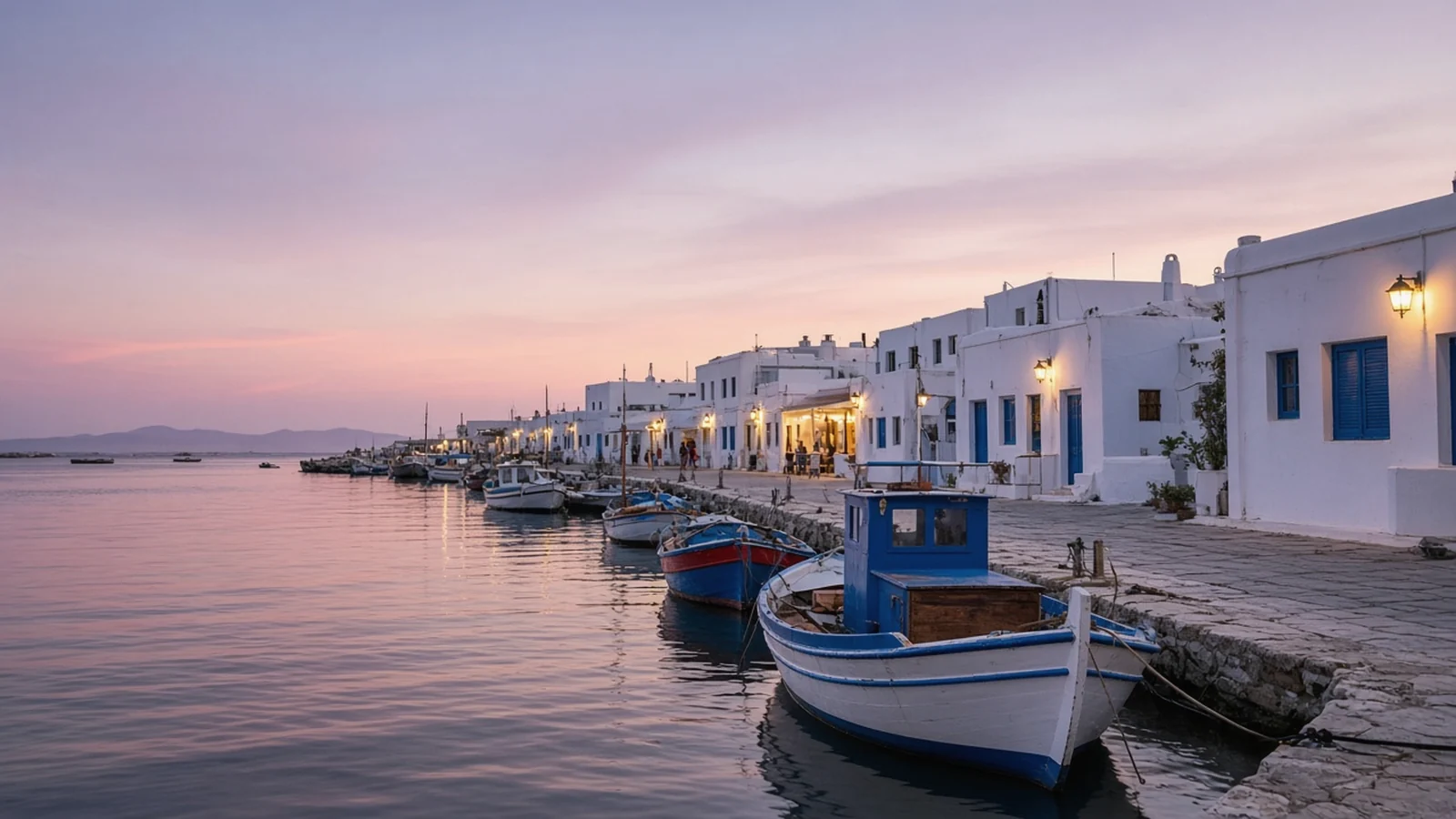
Four days is the sweet spot for Paros: Parikia, Naoussa, the village of Lefkes and two good beach days. Three works if you’re island-hopping. Five or six gives you an Antiparos day and time to slow down.
Paros is one of the easiest islands in the Cyclades: ferries from Athens and the other islands, a decent bus network, and a good mix of towns, villages and beaches. It’s also small enough that you can see the highlights quickly, so the real question is how much slow time you want. Below are day-by-day plans for two to six days, with honest notes on buses, wind and crowds. For the island overview, see our Paros travel guide.
No booking links, no commissions. Bus details come from KTEL Paros and ferry details from the Municipality of Antiparos, checked on 29 October 2026.
Before you travel: fares and schedules change often, and the prices and times on this page may be out of date. Always confirm current prices and times with the operator, or locally at the port or bus station, before you travel.
Quick answer: how many days in Paros?
2 days: Parikia and Naoussa, plus one beach. A taster, and a bit rushed.
3 days: adds Lefkes and the Byzantine path, or a second beach day. Good for island-hoppers.
4 days (our pick): towns, a village, two beach days and time for dinner in Naoussa without rushing.
5–6 days: add Antiparos, a boat day and slower mornings. Paros rewards a longer stay more than Mykonos does.
A week or more: pair it with Naxos, which is 25 minutes to an hour away by ferry. See our 10-day Paros and Naxos itinerary.
How long for your kind of trip?
| Your trip | Days on Paros | Why |
|---|---|---|
| Island-hopping, first stop or last | 2–3 | The ferry hub makes it an easy stop |
| Couples, food and evenings | 4 | Naoussa dinners and sunsets need time |
| Beach holiday | 5–7 | Different beaches suit different winds |
| Families | 5–7 | A slower pace and sheltered beaches |
| Walkers | 4–5 | Lefkes, the Byzantine path and Paros Park |
| No car | 3–5 | Base in Parikia or Naoussa and use the bus |
Choosing between Paros and Naxos, or doing both? Our Paros vs Naxos comparison helps.
Getting around: bus, car or both
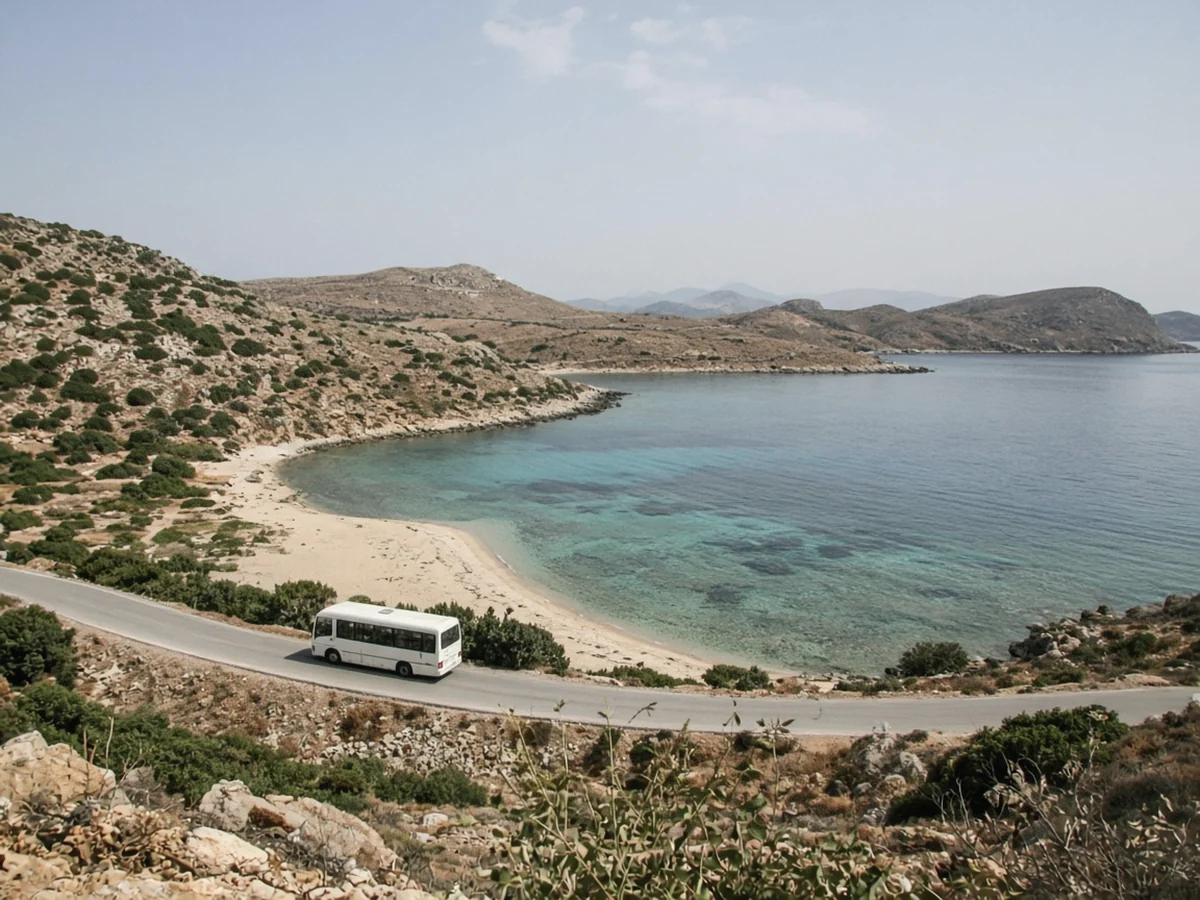
Parikia, the port, is the bus hub, and KTEL Paros runs buses across the island. Even in its late-October 2026 timetable there were 14 buses a day each way between Parikia and Naoussa, and regular buses to Lefkes, the east coast (Marpissa, Piso Livadi, Logaras, Golden Beach, Drios), Aliki and Pounta, for the Antiparos ferry. In summer, there are more buses and extra beach routes, for example from Naoussa to Kolymbithres, Santa Maria and Ambelas. Tickets are paid by bank card; in 2026 a day ticket for the whole island cost €12, and single fares started at €2.20.
| Route | Late Oct 2026 buses (each way) | Summer |
|---|---|---|
| Parikia – Naoussa | 14 a day | More frequent |
| Parikia – Lefkes – Marpissa – Piso Livadi – Logaras – Golden Beach – Drios | 6 a day | More frequent |
| Naoussa – east coast (Drios) | 5 a day | More frequent |
| Parikia – Pounta (Antiparos ferry) | 11 a day | More frequent |
| Parikia – Aliki | 9 a day | More frequent |
| Naoussa – Kolymbithres, Santa Maria, Ambelas | None | Seasonal routes |
Source: KTEL Paros timetable 19–30 October 2026 (ktelparou.gr).
Check locally: these times and fares may be out of date. Confirm them with KTEL or at the bus station before you travel.
You can do every plan below by bus, but a car or a scooter for a day or two makes the beach days much easier, especially on the east and south coasts. We’ll cover car-free Paros in detail in a separate guide; for now, see Greek islands without a car.
Paros in 2 days
| Day | Morning | Afternoon | Evening |
|---|---|---|---|
| 1 | Arrive in Parikia; the old town and the Panagia Ekatontapiliani church | Bus to a beach near town, such as Livadia or Krios | Sunset on the Parikia waterfront |
| 2 | Bus to Naoussa; the harbour and the little Venetian fort | A beach near Naoussa, or a boat across the bay to Kolymbithres in summer | Dinner in Naoussa, then the bus back |
Honest note: two days is fine as a stop on an island-hopping trip, but you’ll miss the inland villages and the east coast.
Paros in 3 days
Follow the two-day plan, then add a village day:
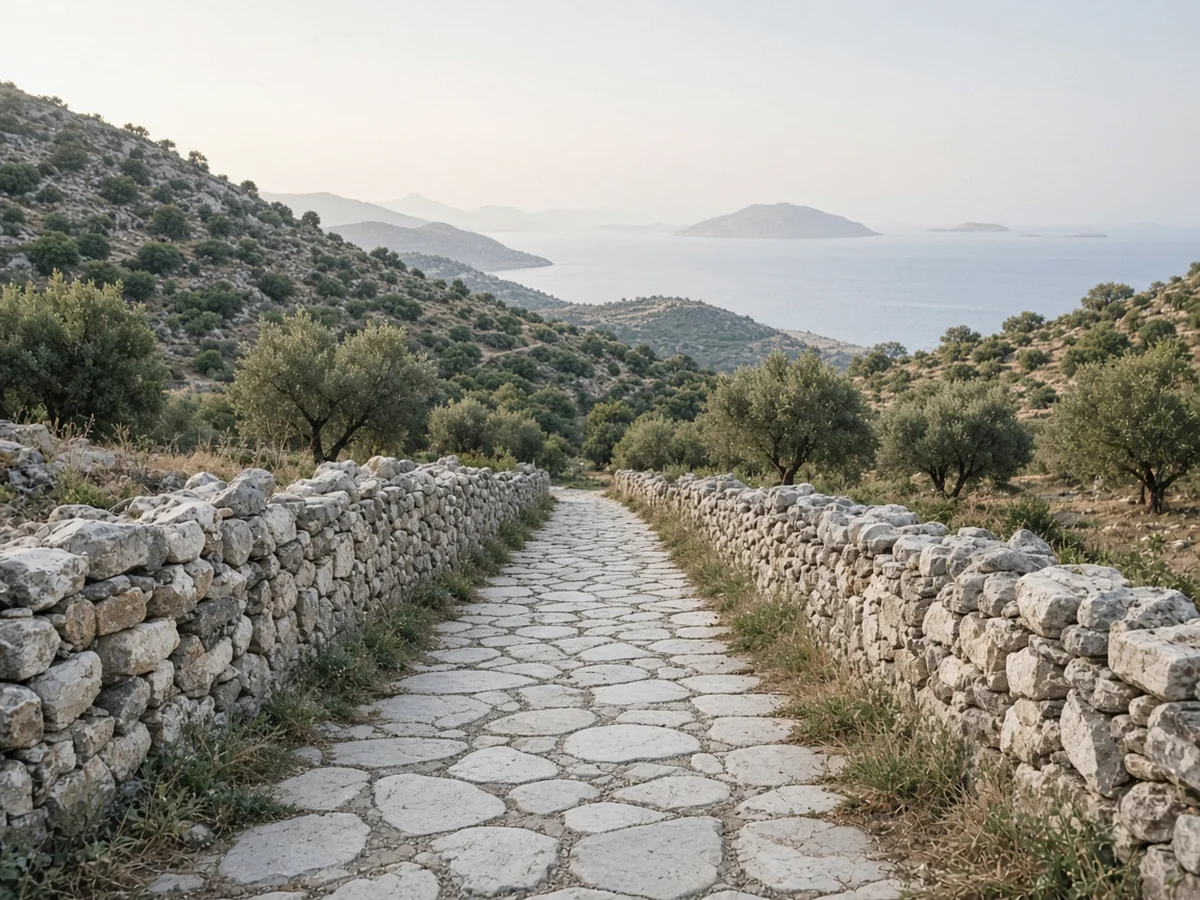
- Day 3: Lefkes and the Byzantine path. Take the bus up to Lefkes, a hill village with marble-paved lanes, and walk the old Byzantine path down to Prodromos. The municipality’s tourism site gives it as about 3.5 km, and most people take 45 minutes to an hour and a half. From Prodromos or nearby Marpissa, catch a bus to Piso Livadi or Logaras for a late swim, or back to Parikia.
- Tip: walk it in the morning. There’s very little shade, and it’s slippery in places, so wear proper shoes.
Paros in 4 days (our pick)
| Day | Plan | Without a car? |
|---|---|---|
| 1 | Parikia: the old town, Ekatontapiliani, a town beach, sunset | Yes, on foot |
| 2 | Naoussa: harbour, lunch, a north-coast beach; dinner in Naoussa | Yes, bus and summer beach boats |
| 3 | Lefkes and the Byzantine path to Prodromos; a swim at Piso Livadi or Logaras | Yes, by bus |
| 4 | A beach day chosen by the wind: Golden Beach or Santa Maria in light winds, the south or west coast when it’s blowing | Partly: some beaches need a car |
With four days, try to spend one evening in Naoussa and one in Parikia: they feel very different. Naoussa is livelier and more polished; Parikia is a working port town with a lovely old quarter. If you’re still deciding where to sleep, we’ll cover where to stay in Paros in a separate guide; the Paros travel guide has a short overview.
Paros in 5 or 6 days
Add any of these to the four-day plan:
- An Antiparos day. Take the bus to Pounta and the car ferry across. It takes about 7 minutes and, according to the Municipality of Antiparos, runs every day of the year, with tickets sold on board and no booking needed. From Parikia, a seasonal passenger boat takes about 30 minutes (in 2026 it ran from late May to October). On Antiparos, walk the village and its little Kastro, swim, and in summer take the local bus to the cave. See our Antiparos travel guide for the boats, the cave and the beaches.
- Paros Park. The environmental park on the Agios Ioannis Detis peninsula, near Naoussa, has a 7 km network of marked trails, coves, a small monastery and a lighthouse. In summer, it also runs an open-air cinema.
- The Butterfly Valley (Petaloudes). A green, shady reserve about 7 km from Parikia where Jersey tiger moths gather from June to September. It’s open from 10:00 to 18:00 in those months.
- A boat day. In summer, boats leave Naoussa and Parikia for beaches and small islands that you can’t easily reach by road. Choose one that suits the wind.
- A rest day. Seriously. Paros is at its best when you’re not rushing.
| Day | 5-day plan | 6-day plan |
|---|---|---|
| 1–4 | As the four-day plan | As the four-day plan |
| 5 | Antiparos | Antiparos |
| 6 | — | Paros Park in the morning, then a lazy beach afternoon |
Plan around the wind
In July and August, the meltemi blows from the north, sometimes for days. On those days the north-coast beaches near Naoussa can be choppy, while the south and west, such as Aliki, Pounta and the beaches south of Parikia, are often calmer. Golden Beach and Pounta are famous for windsurfing and kitesurfing for a reason. Check a forecast the night before, and swap your beach and village days to match.
| Wind | Better choice | Avoid |
|---|---|---|
| Calm or light | Anywhere: Kolymbithres, Santa Maria, Golden Beach | — |
| Strong north wind (meltemi) | The south and west: Aliki and beaches south of Parikia | The exposed north and east coasts |
| Strong south wind (less common) | The north: beaches around Naoussa Bay | The south coast |
General guidance; local conditions vary. Always follow flags and local advice.
When to go
Late May, June and September are the best months for most people: warm sea, open tavernas and fewer people. July and August are hot, busy and windy, and Naoussa is crowded in the evenings. In April and October the island is quieter, with fewer buses and boats. Orthodox Easter 2027 falls on 2 May, and Paros celebrates it in style; book early if you want that weekend. See our May, June and September guides.
Getting there: our ferry from Athens to Paros guide covers the crossing, and the ferries for beginners guide explains tickets and ports.
Frequently asked questions
How many days do you need in Paros?
Four days is ideal for most people: Parikia, Naoussa, Lefkes and two beach days. Three days works for island-hoppers, and five or six lets you add Antiparos and slower days.
Is 2 days in Paros enough?
For a quick stop, yes: one day for Parikia and a beach, one for Naoussa. You’ll miss the inland villages, the east coast and Antiparos.
Is 3 days in Paros enough?
Yes, if you’re island-hopping. Three days covers Parikia, Naoussa and Lefkes with the Byzantine path, plus a couple of swims.
Can you see Paros without a car?
Yes. KTEL buses from Parikia reach Naoussa, Lefkes, the east-coast beaches, Aliki and Pounta for the Antiparos ferry, and summer adds beach routes from Naoussa. A car helps for remote beaches.
Is Antiparos worth a day trip from Paros?
Yes. The car ferry from Pounta takes about 7 minutes and runs every day of the year, and a summer passenger boat runs from Parikia. Antiparos has a pretty village, beaches and a famous cave.
Is Paros better than Naxos for a short trip?
For two or three days, Paros is easier: it’s smaller and the main sights are close together. Naxos rewards a longer stay. Many people do both; they’re 25 minutes to an hour apart by ferry.
When is the best time to visit Paros?
Late May, June and September. July and August are busiest and windiest; April and October are quiet, with fewer buses and boats.
Sources and useful links
- KTEL Paros: timetable
- KTEL Paros: tickets and fares
- Municipality of Antiparos: transport and ferries
- Municipality of Paros: the Byzantine road
- Paros Park: walking paths
- Butterflies Nature Reserve (Petaloudes)
Bus and ferry timetables change by season. Times quoted are 2026 examples from the operators’ own timetables; check the current ones before you go.