What to Eat in Naxos: Cheese, Potatoes, Kitron and Tavernas
Last updated: November 2026
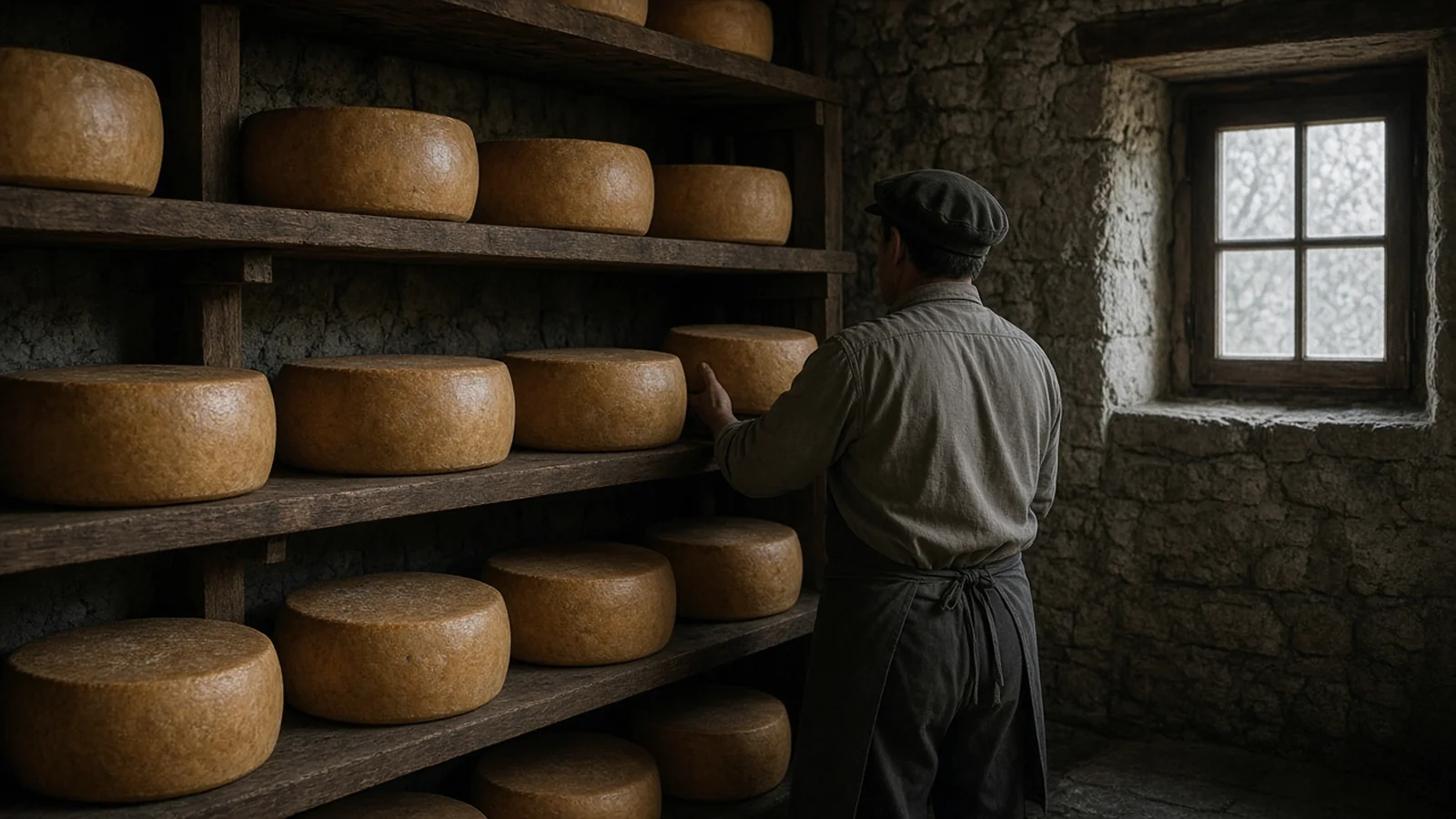
Short version: Naxos is a farming island first, and it shows on the plate. Try the two protected cheeses (graviera and the sharp arseniko), anything made with Naxos potatoes, local pork and goat, and finish with a glass of kitron, the citron-leaf liqueur distilled in the village of Halki. Eat in the mountain villages at least once.
Most Cyclades islands are dry and rocky, and import much of what visitors eat in summer. Naxos is different. It is the largest island in the group, with fertile valleys, cattle and goats on the hills and potato fields on the plains, so a lot of what you eat was grown or made on the island. This guide is about the produce and the dishes; we deliberately do not list restaurants we have not been able to verify. For the island in general, see our Naxos travel guide.
Before you travel: fares, schedules, opening hours, tax rates and seasonal rules change often, and the details on this page may be out of date. Always confirm current prices, times and rules with the operator or the official site, or locally, before you travel.
Quick answer: what to try
| Try | What it is | Status |
|---|---|---|
| Graviera Naxou | Hard, mild, buttery table cheese, mainly cow’s milk | EU protected designation of origin (PDO) |
| Arseniko Naxou | Hard, sharp, aged sheep and goat cheese | PDO since 2020 |
| Patata Naxou | Naxos potatoes, the island’s best-known crop | EU protected geographical indication (PGI) since 2011 |
| Kitron | Liqueur distilled from citron leaves, in clear, green and yellow styles | Protected local spirit |
| Xinomyzithra, kopanisti | Fresh, slightly sour soft cheese; soft, spicy cheese | Local specialities |
Protected status from the EU geographical indications register (GIview), the EU Official Journal and the Naxos tourism site (naxos.gr), checked October 2026; links re-checked 12 Nov 2026.
Why Naxos eats so well
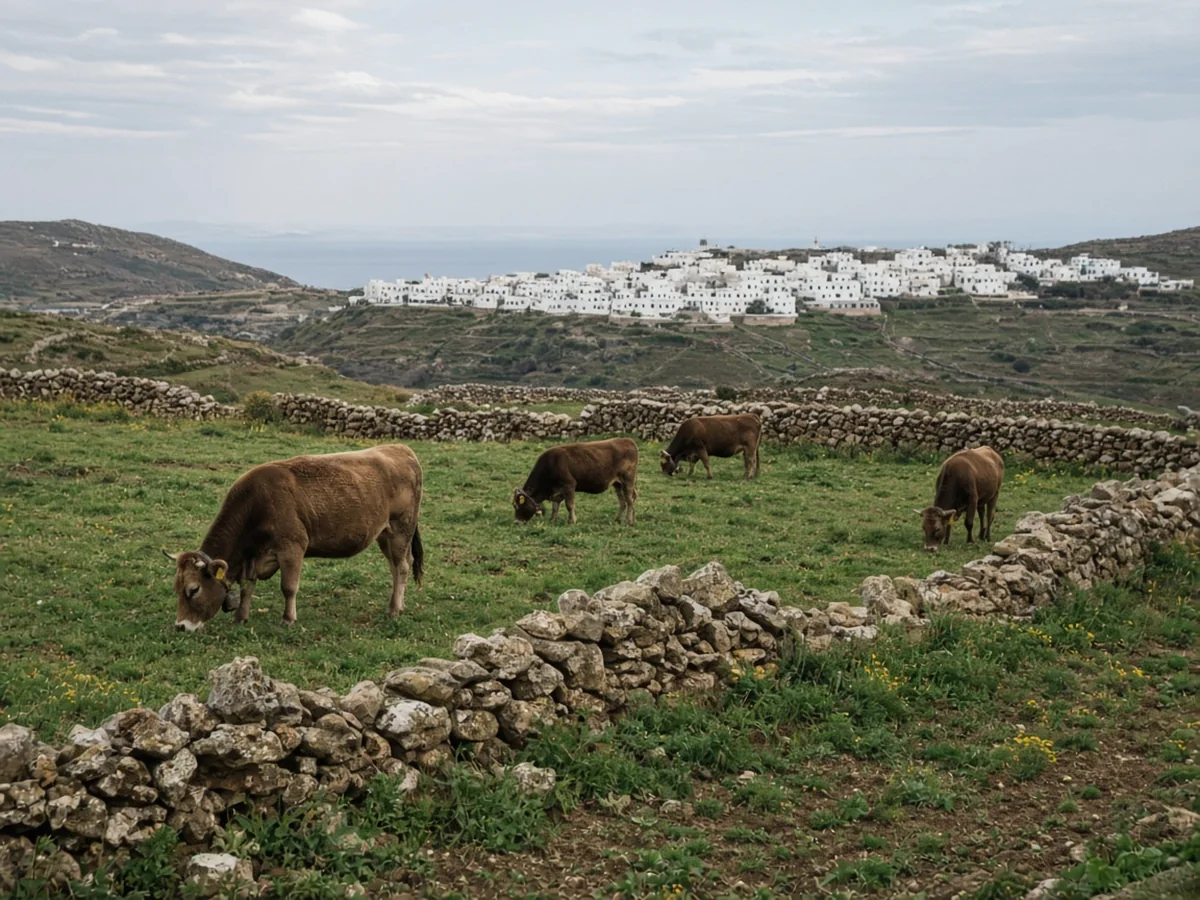
Naxos covers about 428 square kilometres, according to its potato PGI specification, and has more farmland and water than most of its neighbours. That means dairy herds, which are rare in the Cyclades, plus vegetables, fruit and two potato crops a year. Much of the cheese is made by the island’s farmers’ cooperative and by family dairies in the villages.
The best place to taste it is inland. Villages such as Halki, Filoti and Apeiranthos have tavernas cooking with local meat and cheese, and the KTEL Naxos bus reaches them from Naxos town; check current fares/times. Our Naxos mountain villages guide covers them one by one.
The cheeses
Naxos is one of the great cheese islands of Greece. The ones to know:
| Cheese | Milk | Taste and use |
|---|---|---|
| Graviera Naxou (PDO) | Cow’s milk, with up to 20% sheep and goat milk | Mild, buttery, slightly sweet; eat as it is or fried as saganaki |
| Arseniko Naxou (PDO) | Sheep and goat milk | Hard, salty and piquant; sharper the longer it ages (“arseniko” means masculine) |
| Thylikotyri | Sheep and goat milk | The softer, milder “feminine” partner to arseniko |
| Xinomyzithra | Mainly goat’s milk | Fresh, slightly sour soft cheese; eat within days |
| Kopanisti | Goat or cow milk | Soft, strong and spicy; a spread for bread and raki |
Descriptions from naxos.gr, the EU GIview register entry for Graviera Naxou and Culture cheese magazine for arseniko’s 2020 PDO.
Tip: ask for a mixed plate of local cheeses with bread and tomatoes. It is the quickest way to find the one you like. If you are taking some home, hard cheeses travel well vacuum-packed; check your home country’s rules on bringing dairy from the EU before you pack it.
Naxos potatoes
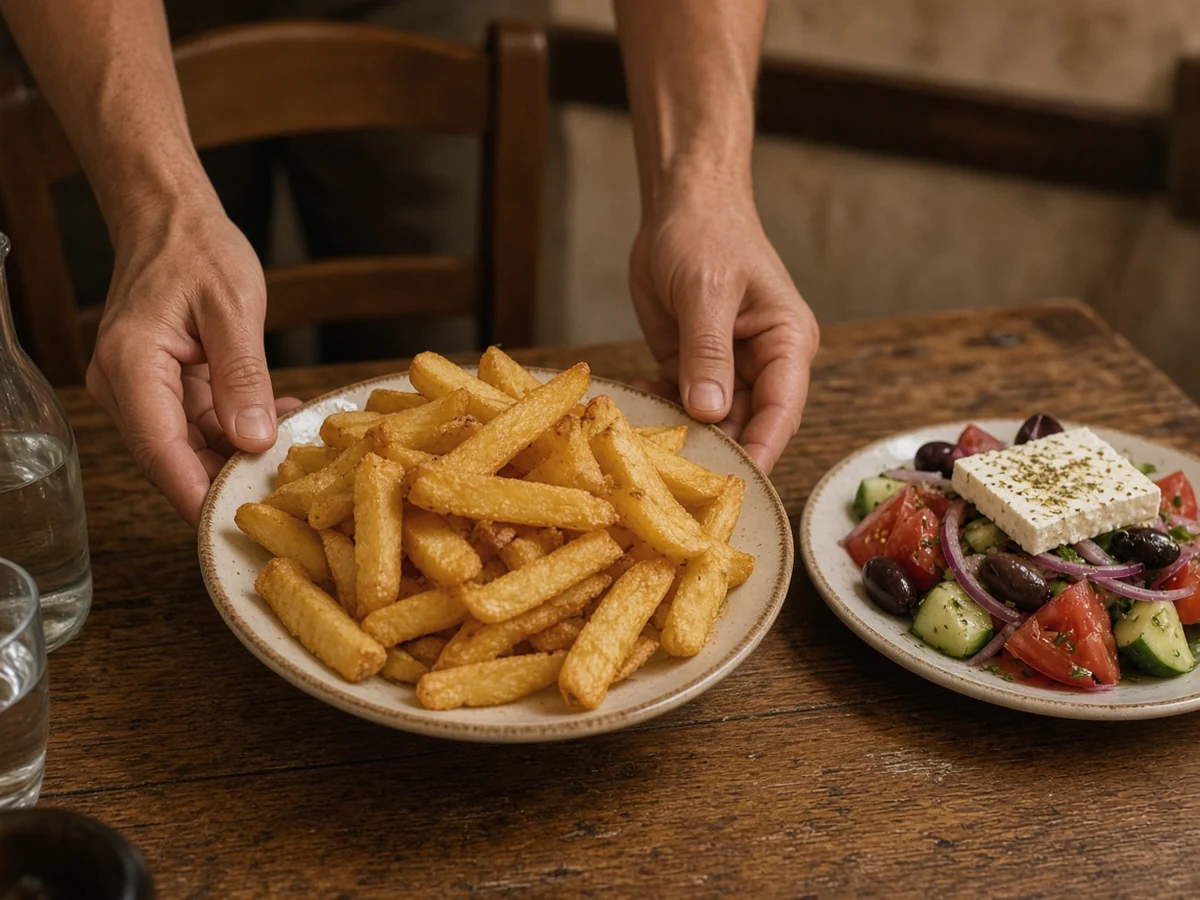
The Naxos potato is famous across Greece, and in 2011 the EU registered Patata Naxou as a protected geographical indication. The specification describes two crops: a spring crop planted from mid-January and harvested from late April into early July, and an autumn crop planted in August. They are typically yellow-skinned with white or yellow flesh.
In tavernas you will meet them as simple chips fried in olive oil, roasted with lemon and oregano, or cooked with meat. Order them even if you think you know what a chip tastes like. The island has held a potato festival in some summers.
Kitron, the citron liqueur
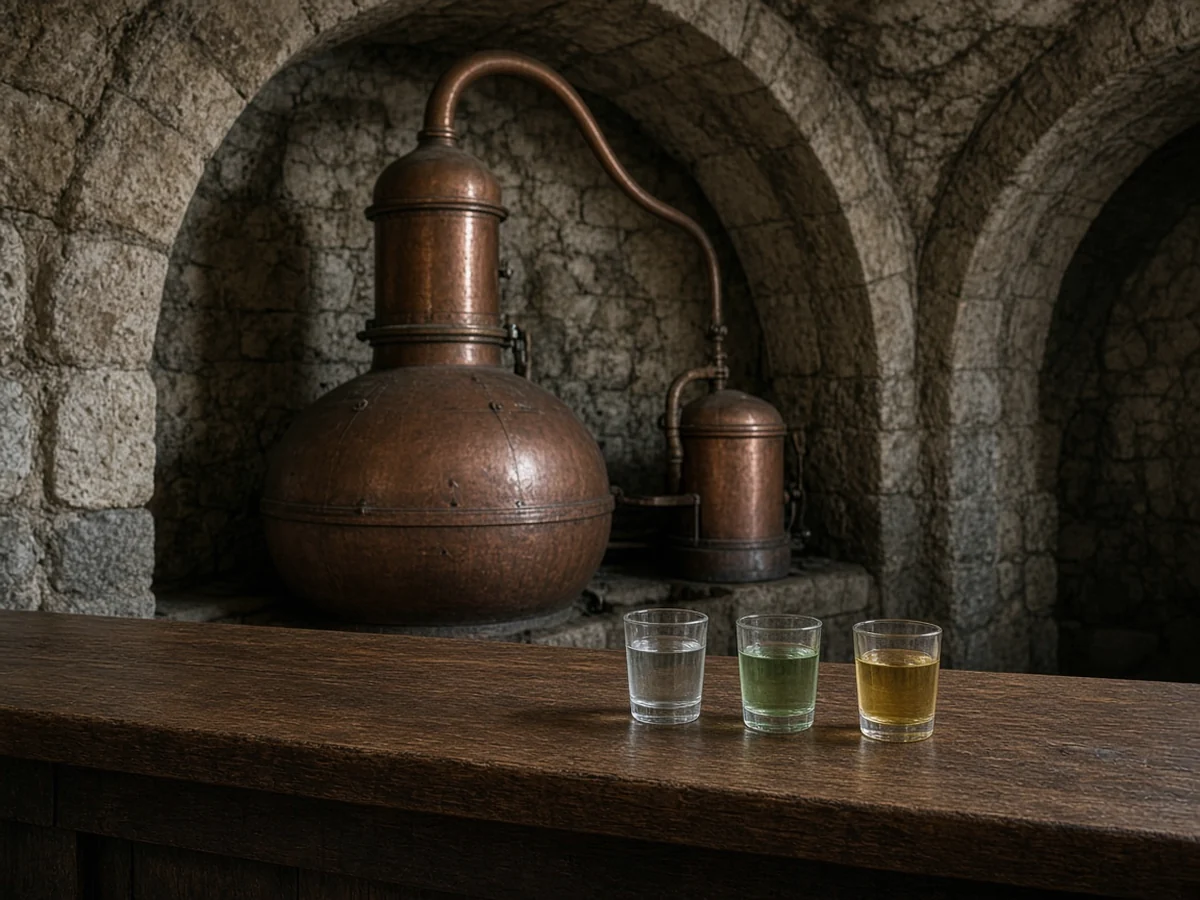
Kitron (also written kitro) is Naxos’s signature drink, made by distilling the leaves of the citron tree. It comes in three styles, clear, green and yellow, which differ in strength and sweetness; naxos.gr gives strengths of roughly 30% to 40%. It is usually served cold as a digestif.
The Vallindras distillery in Halki is the one to visit. According to the Naxos tourism site, Markos Vallindras developed today’s citron-leaf distillate in 1896 from his father’s earlier workshop. The family, now in its fifth generation, still distils in the village mansion, which houses equipment dating to 1862, and offers tours and tastings. Halki is a short drive or bus ride from Naxos town.
Distillers also have shops on the harbour front in Naxos town, where you can taste before you buy. Which style you like is personal; try a sip of each.
Meat, dishes and sweets
Naxos has more livestock than most islands, so meat plays a bigger part in village cooking than fish. Dishes to look for:
- Rosto: slow-cooked pork in a wine and garlic sauce, a village dish.
- Kalogeros: a baked dish of aubergine, meat and cheese associated with Naxos.
- Goat and lamb, roasted or stewed, often with Naxos potatoes.
- Local sausages and cured pork from the mountain villages, especially in winter.
- Fish in the harbour tavernas of Naxos town and the coast; ask what was caught that day, and ask the weight before it is cooked, as fish is priced by the kilo.
- Citron spoon sweet (glyko kitro), candied citron served on a spoon with coffee or yoghurt.
What to order in a taverna
| Course | Order | Why |
|---|---|---|
| To start | A plate of local cheeses; fried graviera (saganaki) | The island’s best produce |
| Salad | A village salad with xinomyzithra or local cheese | A local twist on the Greek salad |
| Sides | Naxos potatoes, fried or roasted | Simple and excellent |
| Main | Rosto, roast goat, or the day’s fish | Local meat or the catch |
| To finish | Kitron, or a spoon sweet with coffee | The island’s own digestif |
Some honest advice: in the busiest part of Naxos town, a few places aimed at day visitors serve generic food. Walk a street or two back, or head inland, and look for menus that name local products. By Cyclades standards, eating out on Naxos is fair value; see Greek islands on a budget.
Where to buy and taste
- Naxos town: delis and the distillers’ shops on and near the harbour front sell cheese, kitron, honey and spoon sweets.
- Halki: the Vallindras distillery and small shops around the village square.
- Village tavernas in Filoti and Apeiranthos, where meat and cheese often come from local farms.
- Supermarkets stock vacuum-packed graviera if you just want some to take home.
Staying on Naxos? See where to stay in Naxos and, for families, Naxos with kids. Without a car, Naxos without a car shows how to reach the villages by bus, and renting a car in Naxos covers the alternative. If food is your reason for travelling, Sifnos is another island famous for its cooking; see our Sifnos guide.
Food through the year
| Season | What to look for |
|---|---|
| Spring (April to June) | The new spring potato crop from late April; fresh cheeses; Easter lamb and goat roasts. Orthodox Easter 2027 falls on 2 May, the biggest food weekend of the year |
| Summer (July and August) | Tomatoes, courgettes and aubergines from island gardens; grilled fish on the coast; everything open, villages busy in the evenings |
| Autumn (September to November) | The autumn potato crop planted in August; grape harvest; calmer tavernas and the best season for a village food day |
| Winter (December to March) | Cured pork and sausages from the villages; slow-cooked stews; fewer places open, but the ones that are cook for locals |
Potato seasons from the Patata Naxou specification; other notes are general seasonal patterns.
Whatever the month, the rule is the same: the further you get from the harbour, the more local the food. A bus up to the villages for lunch is one of the best value days you can have on Naxos.
Taking food home
Hard cheeses, kitron, honey and spoon sweets are the usual souvenirs. Ask shops to vacuum-pack cheese, keep bottles in your checked bag, and check your home country’s customs rules on dairy and meat before you buy; rules differ for travellers going home outside the EU.
Frequently asked questions
What food is Naxos known for?
Its cheeses, especially graviera and arseniko, both with EU protected designation of origin; Naxos potatoes, a protected geographical indication since 2011; and kitron, a liqueur made from citron leaves.
What is kitron?
A liqueur distilled from the leaves of the citron tree, closely associated with Naxos. It comes in clear, green and yellow styles, at roughly 30% to 40% alcohol.
Can you visit a kitron distillery on Naxos?
Yes. The Vallindras distillery in Halki offers tours and tastings in its traditional distillery. Check opening times locally.
What is the difference between graviera and arseniko?
Graviera is a mild, buttery cheese made mainly from cow’s milk. Arseniko is a hard, sharp cheese made from sheep and goat milk.
When are Naxos potatoes in season?
The spring crop is harvested from late April to early July, and there is a second, autumn crop. You will find them on menus all year.
Is food expensive on Naxos?
By Cyclades standards, no. A meal in a village taverna or one street back from the harbour is usually fair value; the waterfront and fish by the kilo cost more.
Sources and useful links
- Naxos: Naxian cheese (official tourism site)
- Naxos: intro to kitro
- Naxos: Vallindras distillery
- EU GIview: Graviera Naxou (PDO)
- EU Official Journal: Patata Naxou specification
- Culture: cheesemaking on Naxos
Seasons, opening times and menus vary. Product facts come from the official sources listed. We do not name restaurants we have not been able to verify, and we have not quoted prices.