
The cheapest time to visit the Greek islands is rarely the most crowded part of summer. But searching only for the lowest accommodation price can lead to another problem: arriving when beaches are chilly, boat tours are limited or the seasonal restaurant you hoped to visit is closed. A genuinely good-value trip balances price, weather, transport and the kind of holiday you want.
For many travellers, late May to early June and the second half of September deserve the first price comparison. October and winter may offer lower room rates on some islands, but conditions and services change considerably. Below is a realistic month-by-month guide—without pretending there's one magic cheap week that works on every Greek island.
Quick answer: when should you look for lower prices?
Start by comparing late May, early June, and mid-to-late September with your preferred July or August dates. These periods often offer a useful compromise between lower demand and enough seasonal services to enjoy a proper holiday. If price is more important than swimming or boat trips, April or October may work for places with year-round communities, especially Crete, Rhodes and Syros. For a classic sun-and-sea holiday, January through March are usually the wrong months even if accommodation looks unusually cheap.
The season is only one factor. Popular school holidays, Easter, major festivals and limited flight or ferry connections can override the usual pricing pattern. A cheap hotel in October loses its advantage if the flight takes an expensive connection or you need a car because summer bus services have ended.
January to March: lowest demand, but a very different holiday
Winter on the islands is not the brochure version of Greece. Some accommodation and restaurants close, ferry choices narrow, days are short and the weather can be cool, rainy or windy. That doesn't make winter travel a bad idea—it makes it a different trip. On a larger island or an island with a substantial year-round town, a quiet cultural break can be rewarding.
For winter, focus on mainland-connected or year-round places and plan around museums, cafés, markets and everyday island life rather than swimming. Crete, Rhodes, Syros and nearby Saronic islands may be more practical than a tiny seasonal Cycladic destination. Check opening hours individually, and remember that lower room rates don't automatically cover higher transport costs. If your dream is daily sandy-beach swimming, move your search later in the year.
April: spring walking and culture, not guaranteed beach weather
April is attractive for hiking, green landscapes and villages waking after winter. You might find calmer streets and lower room prices than midsummer, but the sea is generally cool and some tourist businesses only begin opening as the month progresses. Easter timing matters: Greek Orthodox Easter can raise demand and create unusual opening and transport schedules.
Choose April if your main interests are historic sites, walking, food and photography rather than sunbathing. A town base helps when restaurants and excursion options are limited. Have an indoor plan for windy or wet days. If you're hoping to swim every day, the cheaper April room may not be the bargain you're imagining.
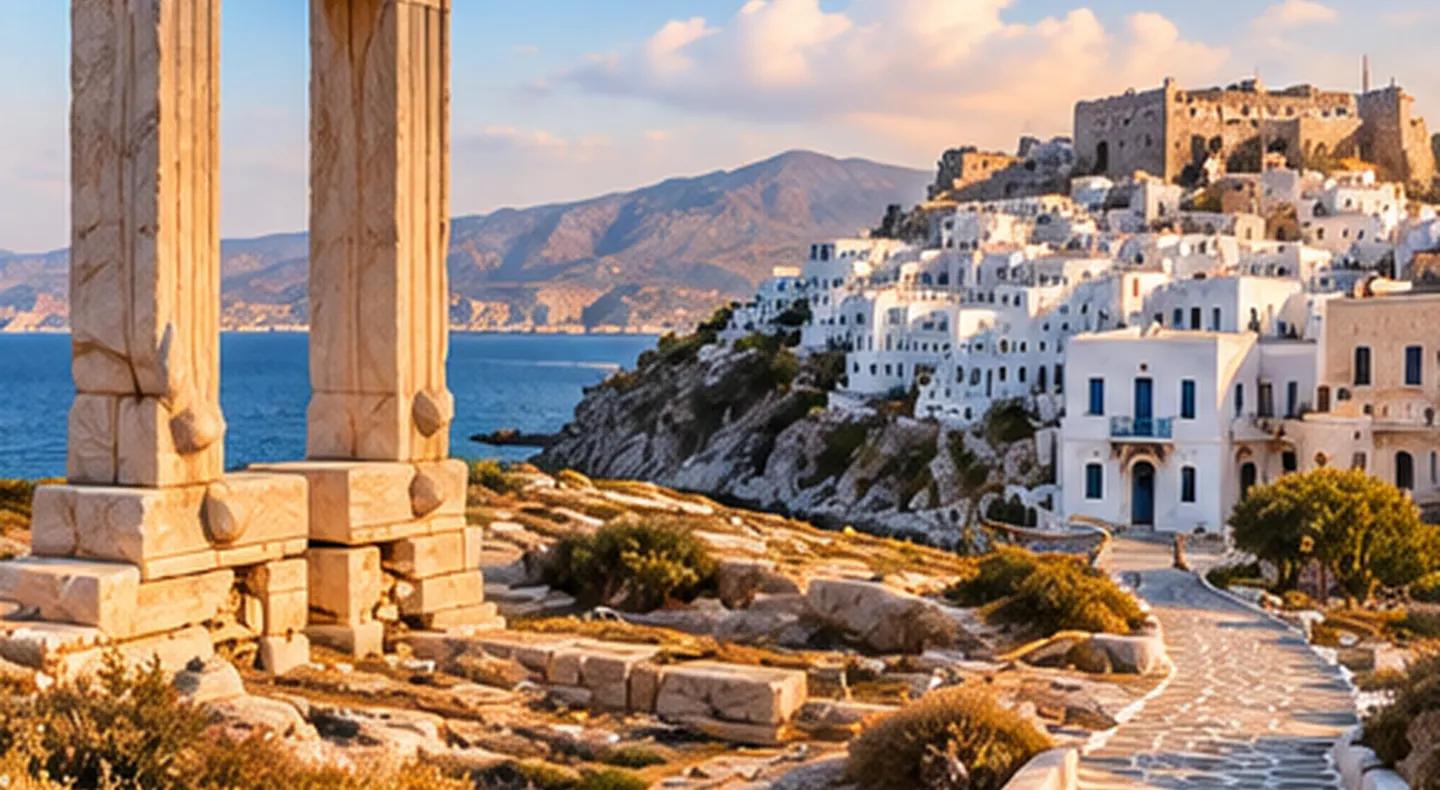
May: a compelling value month—especially toward the end
May is one of the most appealing months to compare for a lower-cost Greek island trip. Days become warmer, landscapes can still be green and tourist services gradually expand. Late May usually offers a better chance of warm afternoons and open seasonal businesses than early May, although weather varies by island and year.
The trade-off is sea temperature. A beach can look beautiful and still feel cool for swimming, particularly on northern islands or windy days. Crete and Rhodes are worth investigating if warmth is a priority, while Naxos, Paros or Sifnos can work well for a mix of sightseeing, village walks and occasional beach time. Confirm direct flights, ferry days and hotel openings before booking non-refundable travel.
June: early summer can be an excellent compromise
June gives many travellers the holiday they imagine: open restaurants, improving sea temperatures, long evenings and bus networks moving toward their summer patterns. Early June is especially worth comparing with July and August. By late June, demand can accelerate, particularly in popular resort areas and around school holidays.
If you need reliable swimming weather without August crowds, June may justify a slightly higher price than May. Book central accommodation early if you're not renting a car; the convenient rooms can sell out before the outlying ones. Check whether a boat excursion you want operates on your days, and remember that being shoulder season doesn't guarantee a cheap stay in fashionable places such as Naoussa or Oia.
July and August: the time to budget most carefully
July and August deliver the fullest summer atmosphere, frequent services on many routes and hot beach weather. They also attract high demand and higher accommodation prices across many islands. August can be particularly busy around Greece's mid-August holiday period. Transport and beach-club costs may add up quickly, and last-minute room choices can be limited.
If these are the only dates you can travel, don't abandon Greece. Look for a base with good local buses, choose one island rather than frequent ferry trips, and compare smaller properties with larger resorts. Consider islands whose appeal is less dependent on the international luxury market. Reserve the most important accommodation and transport early, while keeping an eye on cancellation terms and forecast wind conditions.
September: warm water and potentially better value
September is often the first month we check for travellers with flexible schedules. The sea has had all summer to warm up, afternoons can remain beach-friendly and crowds often ease after the peak holiday period. Early September is still popular, particularly on islands with international reputations, so don't assume prices immediately collapse on September 1.
Mid-to-late September may bring better room choice or more reasonable rates, alongside shorter daylight hours and a greater chance of unsettled weather as the month goes on. Naxos, Paros, Milos, Crete and Rhodes can all be appealing, but the right choice depends on whether you're seeking beach clubs, boat trips, hiking or village life. For the full experience, read our Greek islands in September guide.
October: tempting deals, but availability matters
October can be lovely for relaxed sightseeing, long lunches and quieter old towns. It is also the month where a bargain-hunter needs to be most alert to the difference between a year-round island and a seasonal beach island. Some small islands experience a noticeable drop in bus frequency, excursion availability and restaurants as the month goes on.
For a first October visit, investigate Crete, Rhodes, Syros or a well-connected Saronic island before choosing a remote Cycladic destination. Early October is generally easier for a beach-oriented holiday than late October, though neither is guaranteed. Watch ferry frequency, port transfers and evening options near your hotel. Our October planning guide goes deeper.
November and December: off-season travel is mainly a town-and-culture trip
Late autumn and early winter can suit independent travellers who enjoy seeing a place outside its holiday season. However, a half-empty resort village can feel very different from a bustling harbour in August. The advantages may include quieter walks and lower prices in some available hotels; the disadvantages include colder or wetter weather, limited tours and routes that don't suit a short holiday.
Choose islands with a strong local population and an itinerary based around architecture, regional food and history. Avoid booking solely because an apartment has a tempting nightly rate. Double-check heating, transport and dining options, as well as what happens if a ferry is disrupted.
Cheapest season versus best-value season
| What you want | Months worth comparing | Trade-off |
|---|---|---|
| Lowest possible room rate | Winter, April, late October | Closures, cooler weather and limited ferries |
| Better-value beach trip | Late May, early June, mid-to-late September | Sea may be cooler in May; weather less predictable later |
| Full summer services | Late June through early September | Higher accommodation demand |
| Hiking and sightseeing | April–May, September–October | Some seasonal activities may not operate |
| Families tied to school breaks | June if available, otherwise July/August | Need to book early and choose a practical base |
Five ways to compare prices intelligently
Use the same room type. Comparing a tiny inland studio in May with a caldera-view suite in August tells you little about seasonal pricing. Compare the entire trip. Add ferry connections, airport transfers and vehicle costs. Try neighbouring dates. A midweek check-in may offer a better deal, but not if it forces an extra overnight stay for transport. Look at cancellation terms. A low prepaid rate can become expensive if flights or ferries change. Choose a base that works without constant taxis. Paying slightly more to stay near buses and restaurants can reduce daily expenses.
It's also sensible to test more than one island and more than one airport or ferry routing. A cheaper flight to Athens isn't always the cheapest total trip if you then face multiple transport legs. And don't book a series of separate connections with no buffer just to save a small amount.
Is September always cheaper than June?
No. Both are popular shoulder-season windows, and prices depend on the island, accommodation and travel week. Some operators still charge high summer rates in early September; others may offer savings. Check both windows using the same dates-per-night and the same location standards. If swimming matters most, September often has the advantage of warmer water; if daylight and the beginning-of-summer atmosphere matter more, June might win.
Should you visit famous islands off-season to save money?
You can, but choose carefully. Santorini's caldera views and historic villages exist year-round, while some beach clubs and seasonal tours do not. Mykonos is especially different outside its summer nightlife season. If the attraction is specifically a full high-summer atmosphere, paying less in November may give you a holiday you didn't want. For some travellers, a less expensive island in early summer will feel like better value than a famous island in deep off-season.
Frequently asked questions
Is May warm enough for the Greek islands?
Often warm enough for sightseeing, sunlit lunches and exploring. Sea temperatures may still feel cool, particularly early in the month. Choose a destination with more than beaches on your itinerary.
Is October too late for the Greek islands?
Not necessarily. Larger or year-round destinations can work well, but check ferry routes, accommodation openings and your preferred activities before booking.
Which is cheaper: the beginning or end of September?
The second half may bring lower demand in some destinations, but prices vary. Avoid treating this as a guarantee; compare the specific hotels and departure dates you would actually use.
Does August cost more everywhere?
August is a high-demand month in much of Greece. That often raises prices, but individual hotels and islands still vary. A well-planned August stay can be better value than a poorly planned June trip.
What's the cheapest month for Greek island hopping?
It depends on the routes you need. A cheap hotel month is less useful if inter-island ferries run infrequently. June and September often offer a more workable combination of services and potentially lower demand than peak summer.
Our recommendation
For a first Greek island holiday on a sensible budget, price-check late May, early June and mid-to-late September first. Don't commit until you have compared the actual room, ferry or flight route and the experiences you want. A well-chosen shoulder-season week can be wonderful; the cheapest calendar date isn't always the best holiday.