Greek Islands in October: Weather, Ferries and the Islands That Still Work
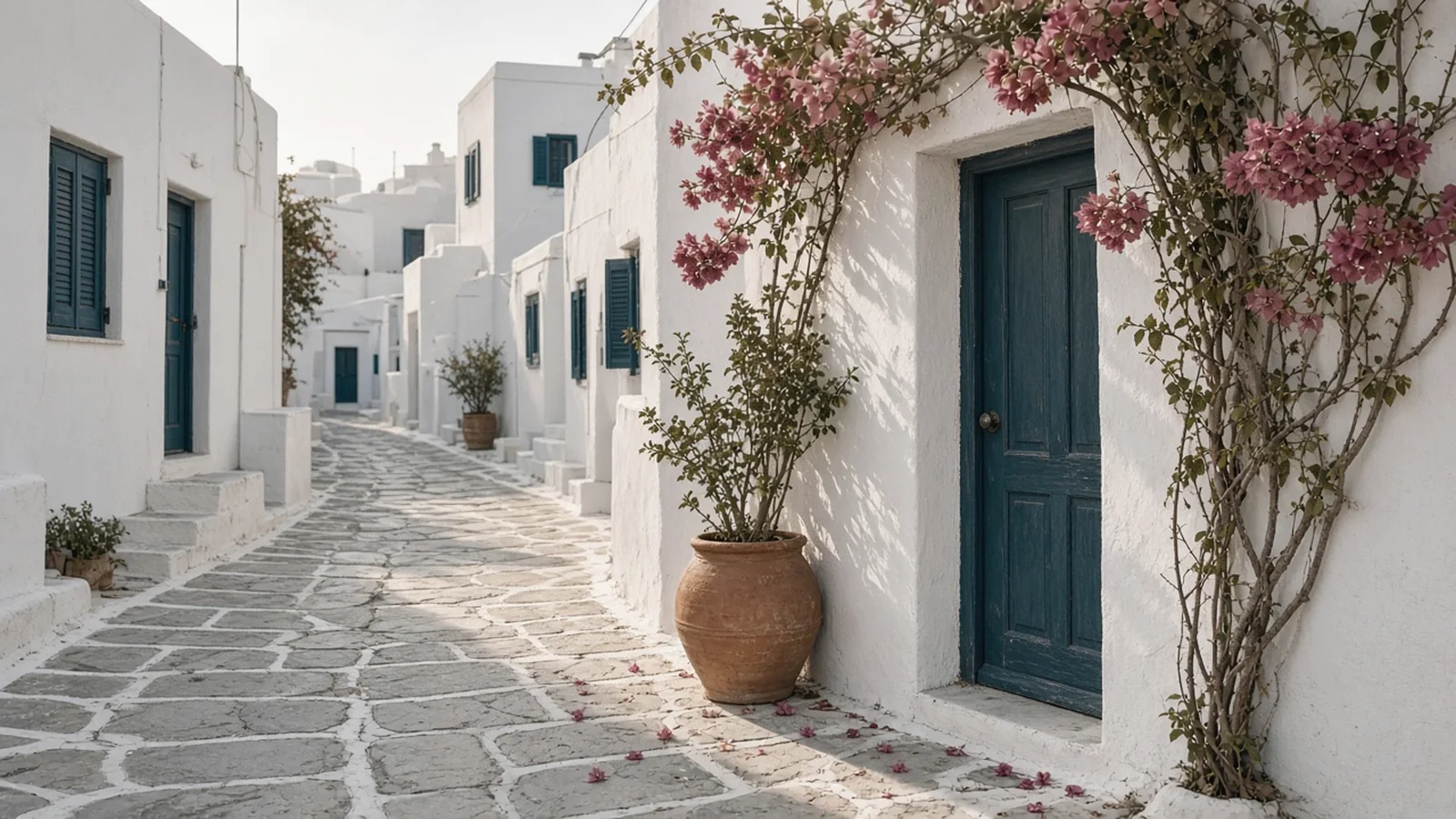
October can be a wonderful month in the Greek islands. The sea is still warm from summer, harbours go quiet, and you can walk into a taverna without booking. It’s also the month when the islands visibly switch from summer to winter. Ferries are cut back, beach bars stack their sunbeds, buses stop serving remote beaches, and on small islands whole villages close for the season.
So the question isn’t really whether October is good. It’s which island, and which half of the month. This guide gives you real numbers for early versus late October (air and sea temperatures, rain, daylight), explains what happens to ferries and when, lists what closes, and helps you choose islands that still work, with honest downsides.
Quick answer: is October too late for the Greek islands?
No, but it’s a different holiday from summer. In the first ten days or so of October you can usually still have a proper beach trip: Cyclades highs average about 22°C, and the sea is still around 21–22°C at Naxos and warmer further south. Most seasonal businesses are still trading, and the main ferry routes are running, though high-speed timetables are already reduced.
By the last week, the picture changes. Rain days pick up, sunset falls to about 5:30pm once the clocks go back, many high-speed boats have finished for the year, and plenty of hotels on seasonal islands close around 31 October. Late October is best spent on islands with real towns and year-round life, such as Crete, Rhodes, Naxos or Syros, with a plan built around walking, food and history, and beach time as a bonus. If your dates are flexible, compare with our Greek islands in September guide first.
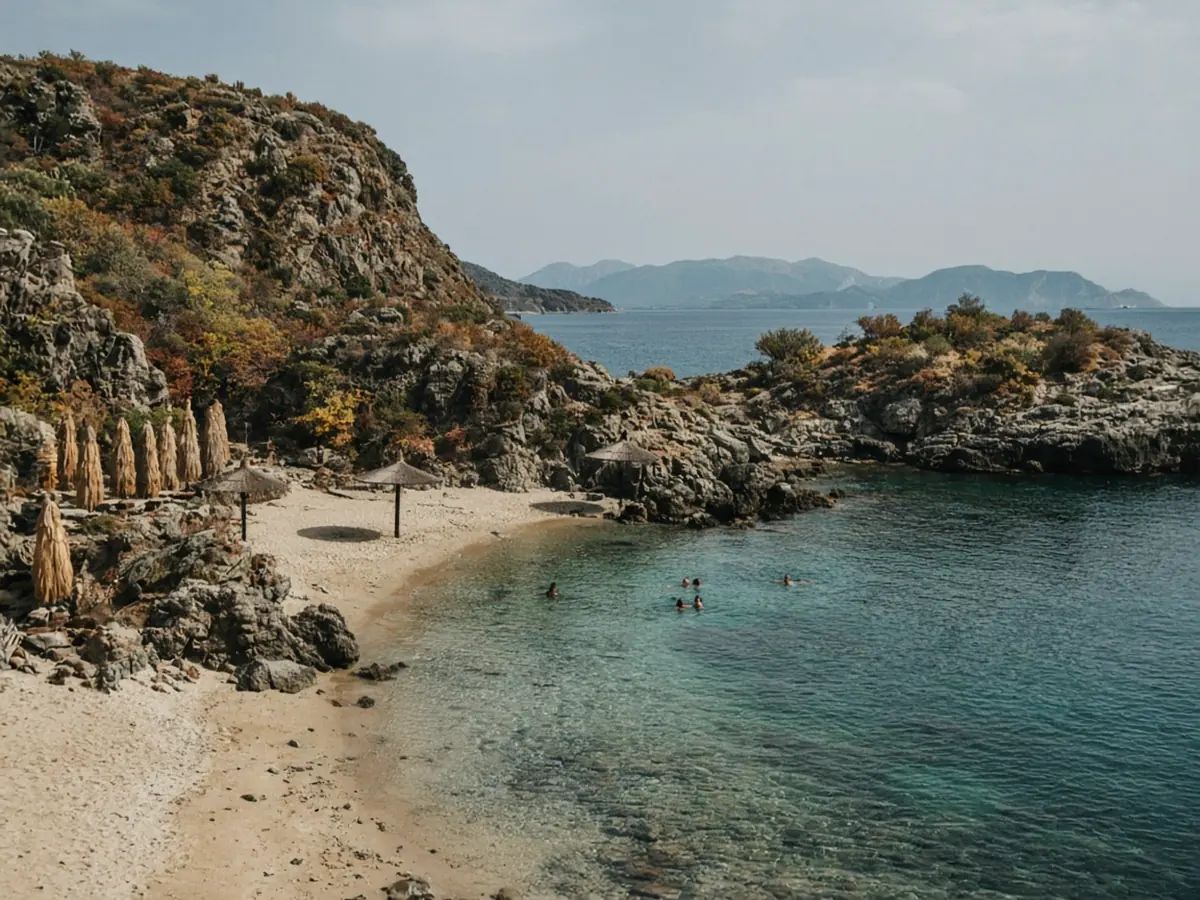
October weather: air and sea temperatures, early vs late month
Air temperatures and rain days below are long-term averages from the Hellenic National Meteorological Service (HNMS). Sea ranges for early and late October show the coolest and warmest daily readings recorded on those dates over roughly the last ten years (seatemperature.info), so they show the realistic spread between a cool year and a warm one.
| Island group (station) | Avg high / low (air) | Rain days (monthly rainfall) | Sea, early Oct (1–7) | Sea, late Oct (25–31) | Sea, monthly avg |
|---|---|---|---|---|---|
| Cyclades (Naxos) | 21.9°C / 17.0°C | 5.5 (38.6 mm) | about 20.8–24.3°C | about 18.9–23.2°C | 21.5–21.7°C |
| Crete (Heraklion) | 23.6°C / 16.7°C | 7.5 (59.4 mm) | about 22.9–25.5°C | about 20.9–24.4°C | 23.2°C |
| Dodecanese (Rhodes) | 24.5°C / 17.4°C | 6.5 (56.9 mm) | about 22.9–27.6°C | about 21.9–26°C | 24.6°C |
| Ionian (Corfu) | 23.2°C / 13.7°C | 11.4 (140.4 mm) | no early/late split collected | about 22.7°C (Corfu Town) | |
Sources: HNMS climatology by city (Naxos; Rodos, Iraklio and Kerkyra 1955–2010); seatemperature.info daily October data for Naxos, Heraklion and Rhodes and Corfu averages; seatemperature.org Naxos averages. Coastal stations: hill villages are cooler, especially at night.
What this means in practice:
- The sea cools more slowly than the air. At Naxos the daily sea readings for 2025 hovered around 21–21.6°C right through late October. On a cool, breezy evening the water can feel warmer than the air.
- The south and south-east stay warmest. Rhodes averages about 2.5°C warmer than Naxos by day, and its sea is roughly three degrees warmer. Crete sits in between. If guaranteed swimming matters in late October, those two are the honest choice.
- Nights get cooler. Average lows of 17°C on the coast feel fresh with a north wind, and noticeably colder in mountain villages. If you’re travelling at the end of the month, check that your room has some form of heating (often the air-conditioning unit).
Rain, wind, storms and daylight
Rain: still mostly dry, but the season has turned
October is when the islands’ rainy season begins. At Naxos, average rainfall jumps from 7.7 mm in September to 38.6 mm in October, and rain days rise from about 2 to about 5.5 (HNMS). That’s still plenty of sunshine, with rain usually arriving in short, sometimes heavy bursts rather than days of drizzle. The Ionian islands are much wetter: Corfu averages over 140 mm in October.
Autumn storms
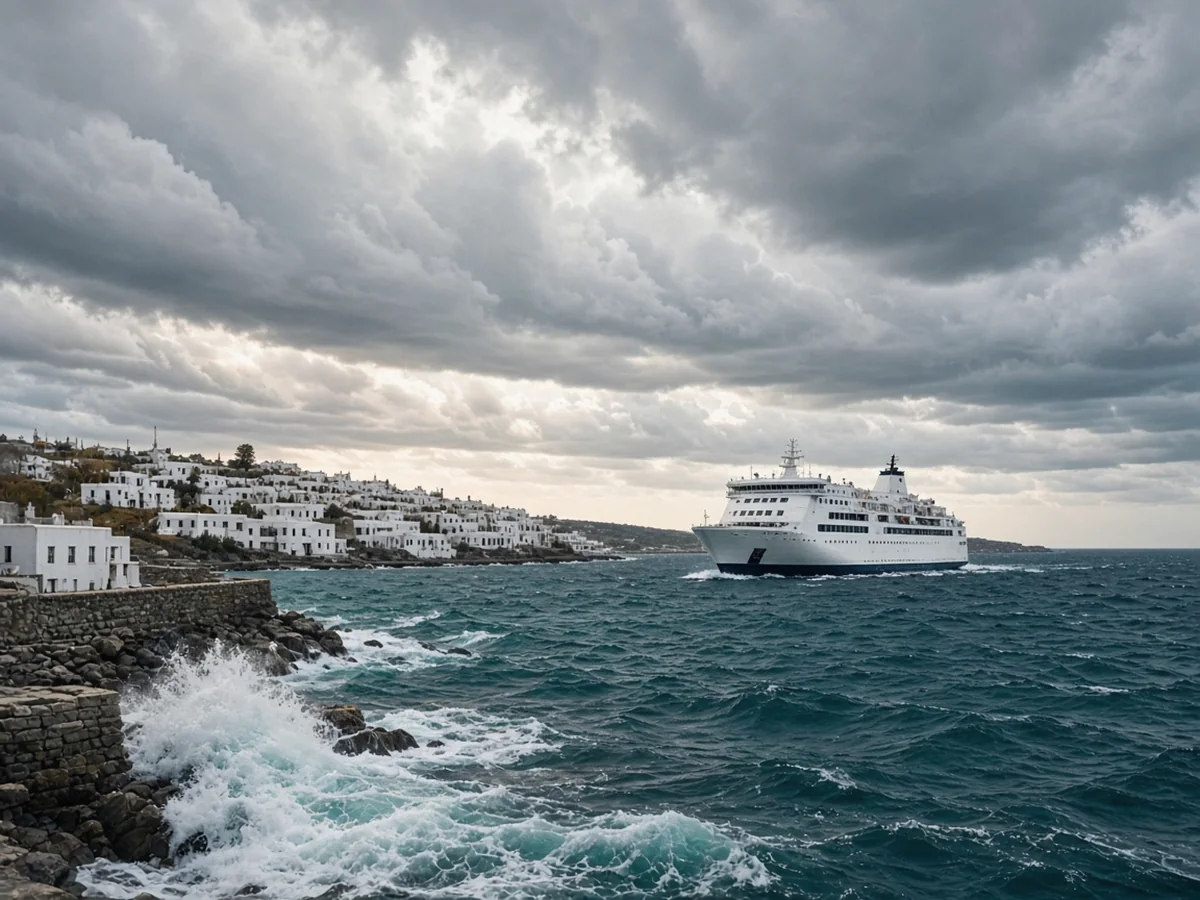
Autumn low-pressure systems are what can actually disrupt an October trip. They can bring heavy rain, strong southerly winds and rough seas for a day or two. A real example: storms on Crete at the very end of September and start of October 2026 raised river levels in the Samaria Gorge, and the gorge closed for the season on 1 October instead of the usual 31 October (ekriti.gr, 22 October 2026). Storms also cancel ferries, which is why we always suggest a buffer day before your flight home.
Wind
The summer meltemi is much weaker by now. The National Observatory of Athens / meteo.gr wind study found average Mediterranean wind speeds in October generally no higher than 5–6 m/s. Northerly spells still occur, though, and the Hellenic Professional Yacht Owners Association notes the meltemi season can run until around late October. HNMS averages for Naxos also show October slightly windier on average than September, so don’t assume calm seas.
Daylight and the clock change
Days shorten quickly. In Athens, the sun sets at 7:08pm on 1 October. Greece leaves summer time on the last Sunday of October (25 October in 2026), so sunset jumps from about 6:35pm to 5:34pm overnight and is 5:27pm by 31 October; sunrise moves to about 6:45am (timeanddate.com). Plan hikes and boat trips for the morning, and expect dinner well after dark.
Crowds, prices and flights
Crowds drop noticeably through October. Early October still has a steady stream of visitors on Santorini, Paros, Naxos and Crete. By the last week, many smaller islands are mostly locals, builders and a few walkers. If you like that end-of-season feeling, it’s lovely. If you want a buzz in the evenings, choose a town with a year-round population.
Prices can be lower than in summer, especially for rooms in late October, but we won’t quote a figure because it varies so much by island and property. Our guide to the cheapest time to visit explains the trap: a cheap room loses its value if the restaurant, bus or ferry you need has stopped. Compare the whole trip, not just the nightly rate. For value-focused ideas, see cheapest Greek islands to visit.
Flights are the other thing to watch. Airlines switch to the IATA winter schedule on the last Sunday of October (25 October in 2026), and that’s when many seasonal routes end. Islands that depend on summer charter and seasonal flights, such as Mykonos and Santorini, lose most of their international direct flights around then. Athens keeps by far the most flights through the winter, and Crete (Heraklion and Chania) and Rhodes keep frequent year-round links to Athens, plus a handful of international routes. If your trip runs past the changeover, book the flight home before you book anything else.
28 October is Ohi Day, a national holiday with school and military parades. Banks, public offices and many shops close, though restaurants and cafés generally stay open. It’s a nice day to see island life, but don’t plan errands for it.
Ferries in October: what thins out and when
This is where October trips go wrong. Greek ferries run on two layers. Conventional ferries (big, slower, cheaper) serve the main islands all year. High-speed catamarans mostly run a summer season, and October is when many of them stop. Ferryhopper notes Seajets typically runs April to November, dropping to roughly weekly crossings on many routes in winter. Here’s what that looked like in October 2026, our most recent example (2027 timetables weren’t published when we wrote this):
| Route / operator | What happened in autumn 2026 | What it means for you |
|---|---|---|
| Blue Star Ferries, Piraeus – Syros – Paros – Naxos – Ios – Santorini (and Anafi) | Conventional, year-round route; winter timetables published separately | The backbone for late-October hopping. Slower but reliable in wind |
| Seajets Super Jet loop: Piraeus – Serifos – Sifnos – Milos – Folegandros – Santorini – Naxos – Paros – Mykonos | Reduced timetables from 14 and 28 September; from 12 October a shorter, alternating route; the season is scheduled to end on 31 October | Western Cyclades and Folegandros hops still run daily until the end of October, but the boats skip Amorgos and Koufonisi; nothing to count on after the 31st |
| Seajets Champions League Jet 1 and 2 (Cyclades and Crete routes) | Finished for the season on 19 October; back in spring 2027 (dates not announced) | Fewer fast options between the Cyclades and Crete in the second half of October |
| Seajets Champion Jet 2, Piraeus – Western Cyclades – Milos | Planned to finish 18 October; extended to 1 November | Shows that end dates can move at short notice, in either direction |
| Express Skopelitis: Naxos – Small Cyclades – Amorgos | Autumn timetable 11 September – 31 October, six days a week (Donoussa and Aegiali three days a week) | Koufonisia and Amorgos are still reachable, but plan nights around sailing days |
| Piraeus – Crete (Heraklion, Chania) | Overnight conventional ferries run year-round (Ferryhopper) | Crete stays easy to reach by sea in late October |
| Piraeus – Rhodes | Year-round, a ferry most days, long crossing (Ferryhopper) | Most people fly to Rhodes; the ferry is a backup |
Sources: ferries.gr Seajets and Blue Star timetables; Mykonea (9 and 20 October 2026); Cyclades Live (8 September 2026); Ferryhopper route guides.
What this means for island hopping: two or three well-connected islands work fine all month. Late in the month, build your route along the Blue Star “spine” (Syros, Paros, Naxos, Ios, Santorini) or pick a single big island. Expect a summer 40-minute catamaran hop to become a longer conventional sailing, a change through a hub, or a wait of a day or two. Operators sometimes publish autumn and winter timetables late, so a schedule you see online months ahead may just be last year’s data. Fix your islands first, book ferries once the real timetable appears, and keep your last night in Athens. Our island hopping from Athens guide and the beginners’ guide to Greek island ferries explain the basics.
What closes, and roughly when
There’s no single closing date. Each business decides, often depending on the weather and late bookings. As a rough guide:
- Big beach clubs and nightlife: late September to mid-October. On Mykonos in 2026, Zuma closed on 3 October and Scorpios held its final night on 4 October (Mykonos Illustrated; Zuma). Local guides say most beach clubs there are closed by mid-October.
- Beach bars, canteens and sunbed concessions: through October. Expect fewer each week, with sheltered, popular town beaches holding on longest.
- Boat trips: up to the end of October, weather permitting. On Milos, Kleftiko day trips are typically advertised from April to October, with one operator listing its morning trip until 30 October. Sunset trips stop earlier.
- Buses to remote beaches: cut back during October. On Naxos, the KTEL timetable for 24–30 October 2026 had no buses at all to Plaka, Alyko, Pyrgaki, Moutsouna or Orkos, while Agia Anna and Agios Prokopios kept six buses a day, the last at 18:00 (naxosbuses.com). Without a car, late-October beach days depend on where you stay.
- Hotels on seasonal islands: many close around 31 October. On Santorini, for example, plenty of hotels publish an April–October season, and some stay open into November. The island’s mayor described the 2026 season as running through October.
- Sights and trails: the Samaria Gorge on Crete normally closes on 31 October, and closes earlier if it’s unsafe, as it did on 1 October 2026.
- Towns with year-round life (Heraklion, Chania, Rhodes Old Town, Ermoupoli on Syros, Naxos Town) keep plenty of restaurants and cafés open beyond October.
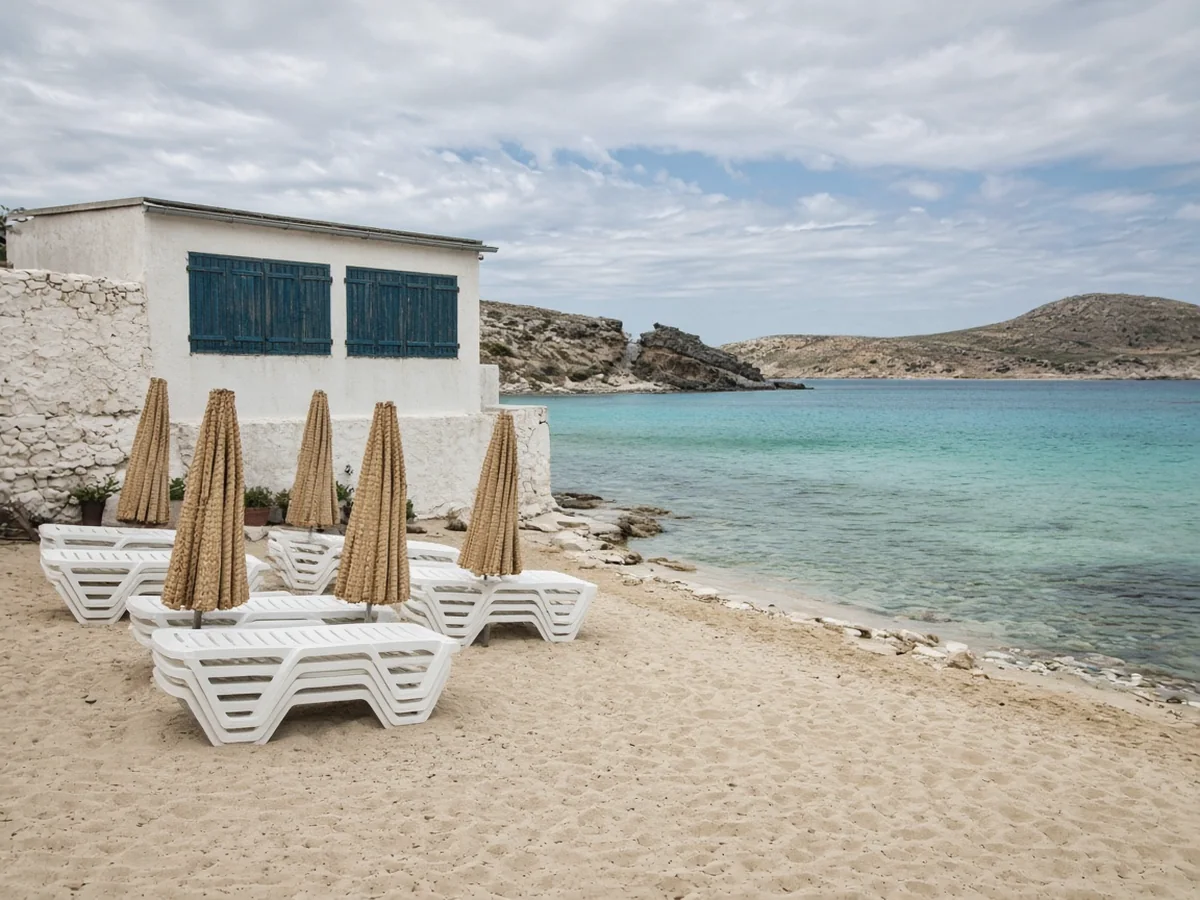
Best Greek islands to visit in October
Here’s our island-by-island view, with what works, what doesn’t and when in the month.
| Island | Why it works in October | Honest downside | Early Oct | Late Oct |
|---|---|---|---|---|
| Crete | Warm sea (about 23°C average), year-round cities, food, archaeology, plenty of open hotels | Higher rain risk than the Cyclades; big distances, so a car helps; Samaria can close early | Excellent | Excellent |
| Rhodes | The warmest air and sea in this guide; a medieval Old Town that is lively all year; good flights | Far from the Cyclades; resort strips wind down | Excellent | Very good |
| Naxos | A real town, mountain villages, long sandy beaches near town, and ferries all year | Remote beaches lose their buses; the west coast can be breezy | Excellent | Good (stay in or near Naxos Town) |
| Paros | Pretty Parikia and Naoussa, short hops to Naxos and Antiparos, on the year-round ferry spine | Naoussa gets very quiet late in the month | Excellent | Good |
| Santorini | Caldera views, wineries, walks and sites that don’t need beach weather; fewer crowds | Many hotels close around 31 October; international flights drop after the IATA changeover | Very good | OK (book an open hotel) |
| Syros | Ermoupoli is a working town, lively all year, with a good ferry hub | Low-key beaches | Good | Very good |
| Milos | Spectacular coastline, boat trips into October, quiet villages | Trips cancelled in wind; fewer ferries as high-speed boats finish | Very good | Risky |
| Mykonos | Beautiful town and windmills without the crowds | Beach clubs closed by mid-October; much of the island shuts down later in the month | OK | Not ideal |
| Amorgos and the Small Cyclades | Superb walking weather on Amorgos; deep quiet | Ferries six days a week at best; very little stays open on small islands such as Koufonisia late in the month | Good (walkers) | Risky |
| Sifnos & Serifos | Lovely walking, quiet beaches, good food on Sifnos | High-speed links reduced from mid-October and are due to stop around 31 October–1 November in 2026 | Good | Risky |
Travelling without a car? Naxos Town, Parikia, Heraklion, Chania and Rhodes Town are the easiest bases in October. Our Greek islands without a car guide explains why.
Early vs late October: how to plan each
1–15 October: the “second September”
This can still be a beach-and-hopping trip. Paros and Naxos are a natural pair (our Paros vs Naxos guide helps you split the nights), Milos and Santorini still work, and first-timers can follow a classic route. There’s more on picking a first island in our best Greek islands for first-time visitors guide. Book ferries once the October timetables appear, and choose hotels near a town beach rather than a remote cove.
16–31 October: think towns, walks and food
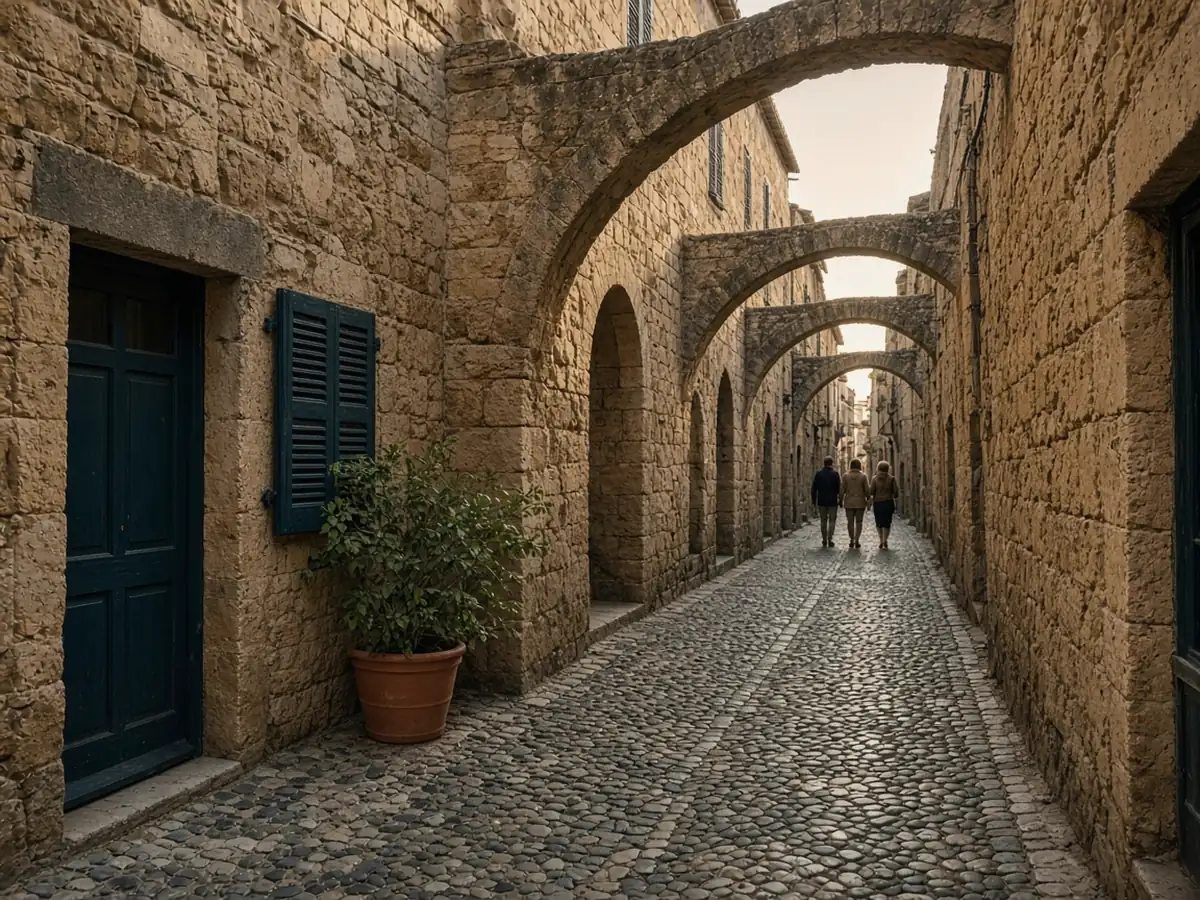
Choose one or two islands with year-round life and good transport. Crete (Chania plus Heraklion) or Rhodes give you the warmest weather. Naxos Town and Syros give you a Cycladic feel with real towns. Plan days around villages, archaeological sites, markets, hikes and long lunches, and treat each swim as a bonus. For couples who want romance more than beach clubs, late-October Santorini in an open caldera hotel can be magical. See best Greek islands for couples. For quiet and good value in this half of the month, Syros and Naxos are our first picks. Very small islands may feel closed rather than quiet.

Sample October itineraries
7 days, early October: Paros and Naxos
Ferry from Piraeus to Paros for three nights (Naoussa or Parikia), then on to Naxos for three nights in or near Naxos Town, so you have beaches and buses within reach. Return to Athens by ferry or a domestic flight. The day-by-day version is our 7-day Greek island itinerary, or slow it down with the 10-day Paros and Naxos itinerary.
10 days, any time in October: Naxos, Santorini and Crete
Three nights on Naxos, three on Santorini, then four in Crete before flying home from Heraklion. Travel north to south so you end on the warmest island. The Santorini–Heraklion crossing is the leg to check first, because the fast boats on that route stop in mid-October, leaving the slower (about 3-hour) Blue Star sailings on some days of the week.
10 days, late October: Crete only
Fly into Chania, spend five nights between the old town and the west-coast beaches, then drive east to Heraklion for Knossos, the Archaeological Museum and a few days on the coast. One island, no ferry risk, the second-warmest sea in this guide after Rhodes, and plenty open. Our Crete travel guide has bases and beaches.
What to pack for October
- Swimwear and sun protection: the sun is gentler (seatemperature.info gives Naxos an average UV index of 5 in October), but you still need sunscreen and a hat.
- Layers: T-shirts for the day, plus a warm jumper or fleece and long trousers for evenings, ferry decks and mountain villages.
- A proper waterproof jacket: short, heavy showers are part of October, especially in late October and on Crete.
- Closed shoes for hiking and wet cobbles, plus sandals for the beach.
- Connectivity: ferry changes and cancellations are announced at short notice, so mobile data matters.
- Travel insurance that covers missed connections caused by weather.
Frequently asked questions
Is October too late for the Greek islands?
Not if you pick the right island and the right half of the month. Early October usually still has beach weather and most services. By late October, small seasonal islands are winding down, ferries are reduced and many hotels close at the end of the month, so larger year-round islands such as Crete, Rhodes, Naxos and Syros are the safer choice.
Can you swim in the Greek islands in October?
Yes, most people find it pleasant. Average October sea temperatures are about 21.5°C around Naxos, 23°C off Heraklion and close to 25°C off Rhodes. The water cools slowly, so it is usually warmer than the air on a breezy late-October evening. The bigger limit is windy or cloudy days, not the water itself.
Which Greek islands are warmest in October?
Rhodes and Crete. HNMS long-term averages give Rhodes an October high of about 24.5°C and Heraklion about 23.6°C, against about 21.9°C at Naxos in the Cyclades, and the sea off Rhodes stays the warmest in this guide.
Do ferries still run in October?
Yes, but fewer. Conventional ferries to the main islands run all year, while many high-speed catamarans stop during October. In 2026, for example, two large Seajets catamarans finished on 19 October, and Seajets’ main Cyclades high-speed loop runs a reduced timetable from 12 October to 31 October. Direct hops between small islands are the first to go.
Does it rain a lot in October?
More than in September, but rarely for long. HNMS averages show about 5.5 rain days at Naxos, 6.5 at Rhodes and 7.5 at Heraklion, while Corfu in the Ionian gets about 11. Expect mostly sunny days with the occasional stormy spell that can disrupt ferries for a day or two.
Are Santorini and Mykonos worth visiting in October?
Santorini, yes. The caldera, villages and wineries don’t depend on beach weather, though many hotels close at the end of October. Mykonos is quieter and pretty, but its big beach clubs typically close by early to mid-October, so it suits sightseeing better than nightlife by then.
What is 28 October in Greece?
Ohi (Oxi) Day, a national public holiday marking Greece’s refusal of the 1940 Italian ultimatum. Expect school and military parades, flags everywhere, and closed banks, public offices and many shops. Restaurants and cafés generally stay open.
When do the clocks change in Greece in October?
On the last Sunday of October, when Greece leaves summer time with the rest of the EU. In 2026 that’s Sunday 25 October, when sunset in Athens jumps from about 6:35pm to about 5:34pm overnight. Plan late-October sightseeing for the morning and early afternoon.
Our recommendation
For a beach-led trip, go in the first ten days or so of October and stick to well-connected islands like Paros, Naxos, Milos or Santorini. For the second half of the month, choose Crete or Rhodes for warmth, or Naxos Town and Syros for a Cycladic town break, and build the trip around food, walking and history. Whatever you choose, book flights first, ferries once the October timetables are out, and keep a spare day before you fly home. If you can move your dates a little earlier, our Greek islands in September guide shows what you gain.