Best Greek Islands for First-Time Visitors
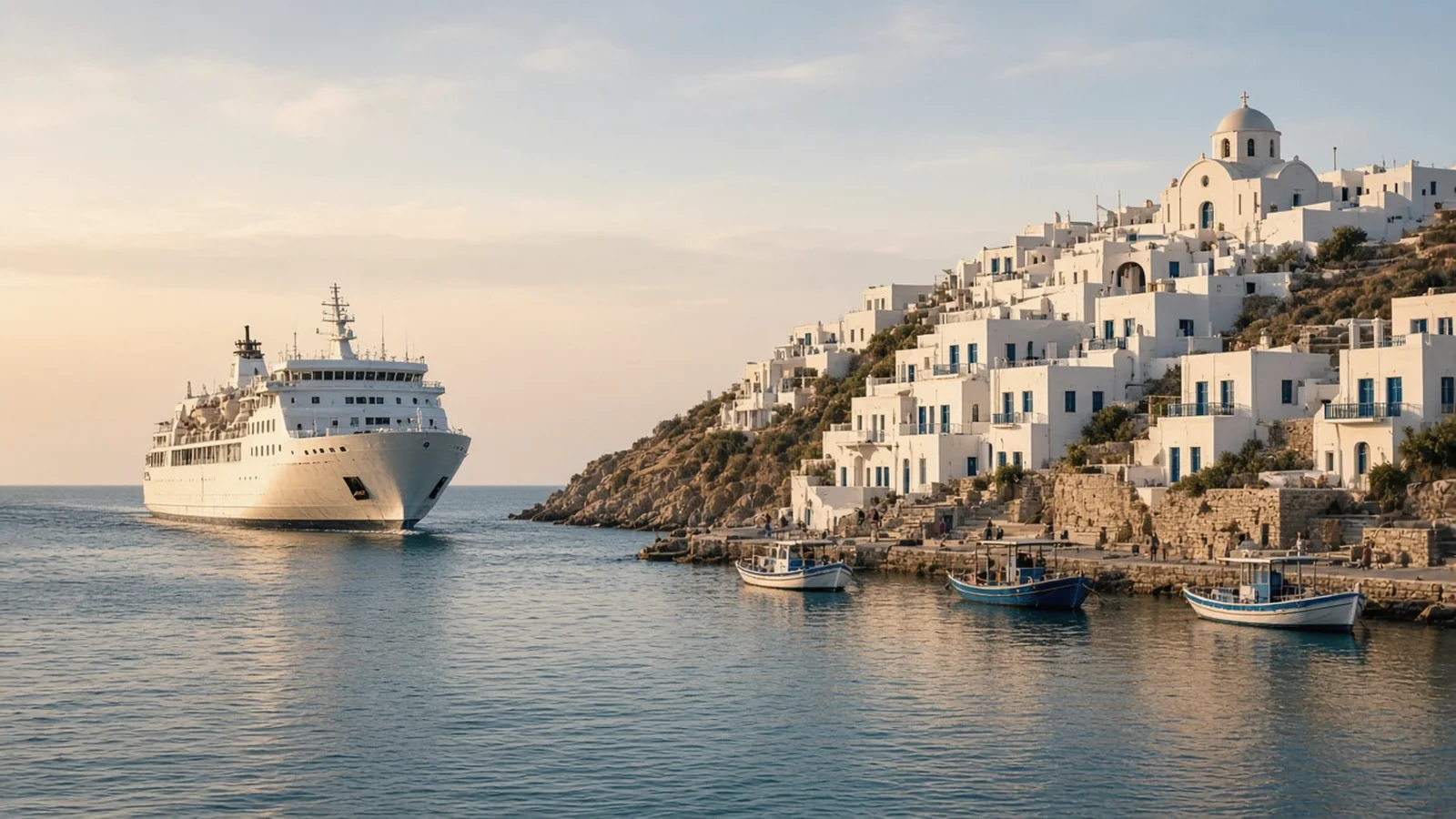
An honest shortlist for your first Greek island trip: who each island really suits, what the brochures leave out, and how to string two or three together without spending your holiday at ferry ports.
Choosing your first Greek island is harder than it should be. There are dozens of inhabited islands, every one of them has a beautiful photo, and most “best islands” lists rank them as though everyone wants the same holiday. They don’t. A couple chasing sunsets, a family who mainly want an easy sandy beach and a group of friends who want long dinners and a late bar all need different islands.
The good news is that a first trip doesn’t need to be clever. The islands that are easiest for first-timers are popular for sensible reasons: frequent ferries from Athens, enough places to stay and eat, bus networks that actually work in summer, and plenty to do if the wind picks up. The trade-off is that none of them is a secret. Expect company, especially in July and August.
The short answer: For most first-timers, start with Naxos or Paros (or both, they are a short hop apart). Add Santorini for two or three nights if the caldera views are on your list. Choose Crete if you would rather unpack once and have a whole island to explore. Save the quieter islands for trip number two.
How to choose your first Greek island
Before you look at a single hotel, answer four questions. They will narrow the field faster than any ranking.
- What does a perfect day look like? Long sandy beach and a taverna lunch? A sunset view and a nice dinner? A village walk and a swim in a rocky cove? A boat trip? Most islands do one or two of these brilliantly and the rest adequately.
- How many nights do you really have? Count nights on islands, not days of holiday. A seven-day trip with a night in Athens at each end leaves five island nights, which is plenty for one island and comfortable for two, but tight for three.
- Will you drive? If not, you need an island with a proper bus network and a base near the bus hub. Our Greek islands without a car guide goes into this in detail.
- How much does budget matter? Santorini and Mykonos cost noticeably more for comparable rooms and meals than Naxos or Crete. See our guide to the cheapest Greek islands to visit if price is a deciding factor.
Then apply one rule: for a first trip, pick islands with frequent, year-round ferry connections to Athens and to each other. That keeps your plan robust when a sailing is cancelled for wind, and it gives you more choice of departure times. The islands below all pass that test.
The shortlist at a glance
These are practical tendencies, not guarantees. Ferry times are indicative ranges from Ferryhopper’s route listings and vary with the ship, the number of stops and the season. Always check your actual date.
| Island | Vibe | Best for | Honest downsides | Getting there | Ferry from Athens (indicative) |
|---|---|---|---|---|---|
| Naxos | Big, varied, relaxed | Sandy beaches, families, food, first island-hoppers | Less polished than Paros; inland villages need a car or careful bus planning | Ferry from Piraeus or Rafina; small domestic airport | Piraeus: about 3¼ to 7 hrs |
| Paros | Pretty, sociable, compact | Couples, friends, village evenings, an easy first base | Naoussa is busy and pricey in peak season; beaches are good rather than vast | Ferry from Piraeus or Rafina; domestic airport | Piraeus: about 2½ to 5 hrs |
| Santorini | Dramatic, famous, busy | Caldera views, couples, a short “bucket list” stay | Crowds and cruise traffic, high prices, dark volcanic beaches, lots of steps | Ferry from Piraeus or Rafina; airport with seasonal international flights | Piraeus: about 4½ to 10½ hrs |
| Crete | A whole country in one island | One-base holidays, families, food, history, road trips | Huge distances; you will want a car to see much; not a “hop” | Direct flights to Heraklion and Chania; overnight ferry from Piraeus | Piraeus–Heraklion: usually overnight (about 8½–9½ hrs); daytime fast boats from about 8 hrs |
| Milos | Volcanic coast, boat days | Swimmers, photographers, couples, a second island | Boat trips depend on wind; best coves need a car or boat; rocky access | Ferry from Piraeus; domestic airport | Piraeus: about 2½ to 7½ hrs |
| Mykonos | Glamorous, lively, expensive | Nightlife, beach clubs, friend groups, Delos | Costs add up fast; busy roads; quiet August is not realistic | Ferry from Piraeus or Rafina; airport with seasonal international flights | Rafina: about 2 to 4¾ hrs; Piraeus: about 2½ to 6 hrs |
| Sifnos | Slow, foodie, village-y | Food lovers, walkers, a calmer first trip | Fewer sailings, especially outside summer; small beaches; limited nightlife | Ferry from Piraeus | Piraeus: about 2½ to 5 hrs |
Ferry times checked against Ferryhopper route pages in October 2026 and shown as ranges. Timetables are published by season, so confirm yours before booking anything non-refundable.
The best islands for a first visit
1. Naxos: the best all-rounder
If we had to pick one island for a first-timer we know nothing about, it would be Naxos. It is the largest island in the Cyclades, so it simply has more of everything: long sandy beaches on the west coast (Agios Prokopios, Agia Anna, Plaka), a real working main town with a Venetian castle quarter, marble-paved mountain villages like Halki and Apiranthos, and a farming tradition that shows up on your plate as cheese, potatoes and local meat.
It is also forgiving. Stay in Naxos Town (Chora) or just south of it and you can walk to the port, eat well every night and catch summer buses to the main beaches. Families tend to love it; our Naxos with kids guide explains why.
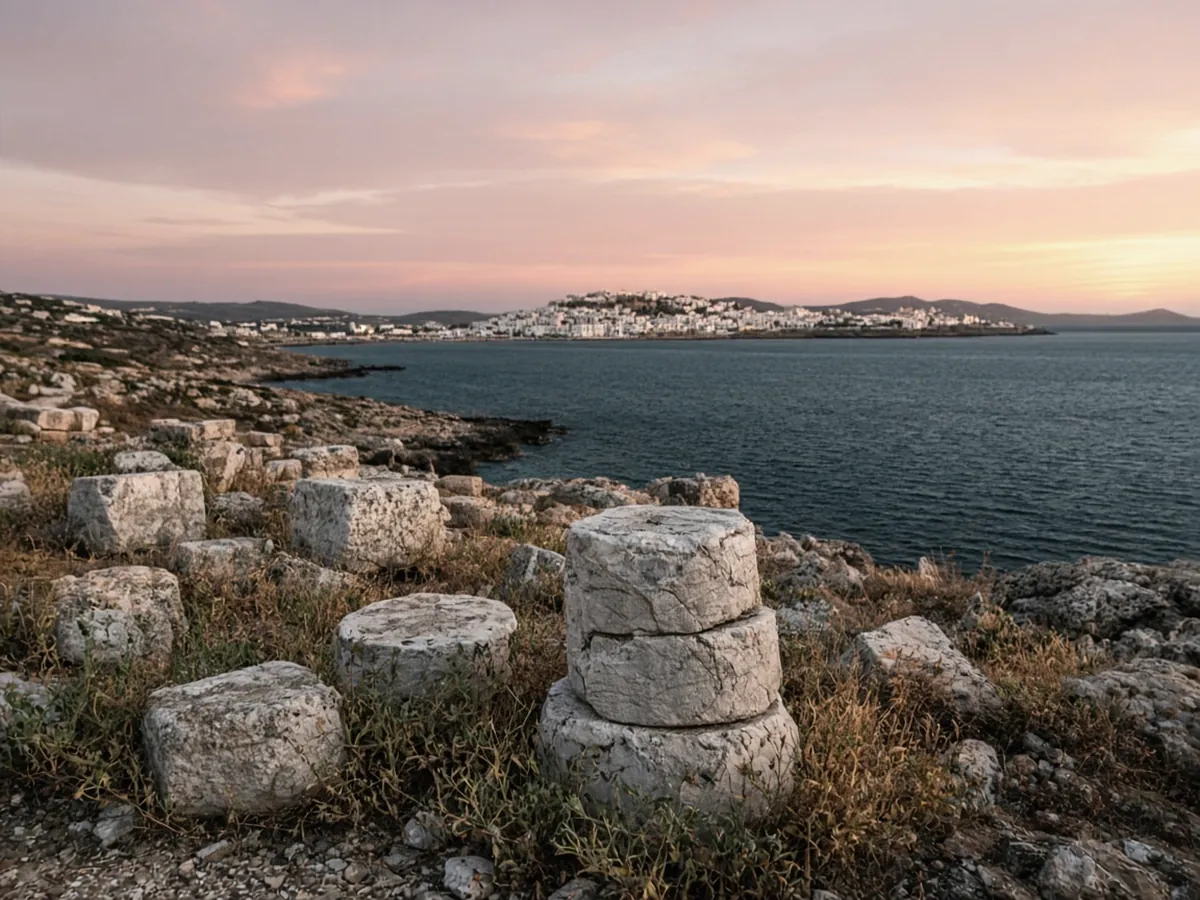
Best for: beach-and-village holidays, families, food lovers, anyone who wants a week on one island.
Think twice if: you want a chic, small-town scene every evening. Naxos is relaxed rather than glamorous, and seeing the mountain villages properly is much easier with a car for a day or two.
2. Paros: the easiest island to fall for
Paros is compact, pretty and sociable. Naoussa’s little harbour is one of the most charming evening settings in the Cyclades, Parikia is a practical port town with its own old quarter, and the inland village of Lefkes gives you a quieter, more traditional side. Beaches are plentiful and varied: rocky Kolymbithres, sheltered Monastiri, windsurfing at Golden Beach.
It sits in the middle of the ferry network, which makes it a natural first stop. Parikia is the main port, and from there you can reach Naxos, Mykonos, Santorini and Milos.
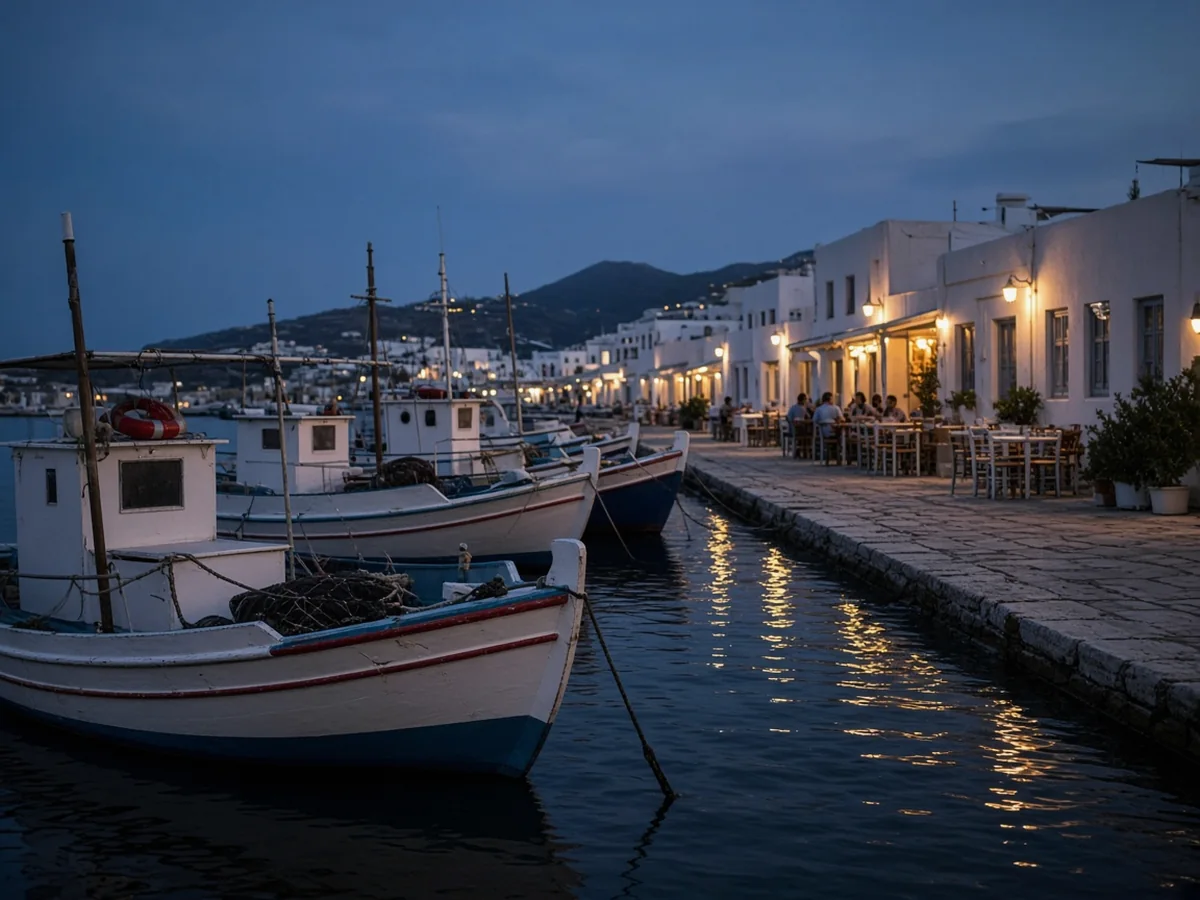
Best for: couples, friends, restaurant lovers, a first island-hopping base.
Think twice if: you are hoping for an undiscovered bargain. Paros is firmly on the map and Naoussa in August is busy and expensive. If you can’t decide between the two, read our Paros vs Naxos comparison, or simply do both.
3. Santorini: worth it, but keep it short
The caldera really is as spectacular as the photos. Standing on the cliff edge in Fira, Firostefani or Imerovigli and looking across the drowned volcano is one of the great travel views, and the prehistoric site at Akrotiri and the island’s wineries give you more than sunsets.
But Santorini is also the island where first-timers are most likely to feel let down, usually because they expected a beach holiday or a quiet one. Beaches are dark volcanic sand and pebbles, prices are high, Oia at sunset is packed, and the caldera villages are all steps. It also gets a lot of cruise traffic: since 2025 Greece has charged cruise passengers a higher per-port fee at Santorini and Mykonos in peak season, partly to manage the crowds.
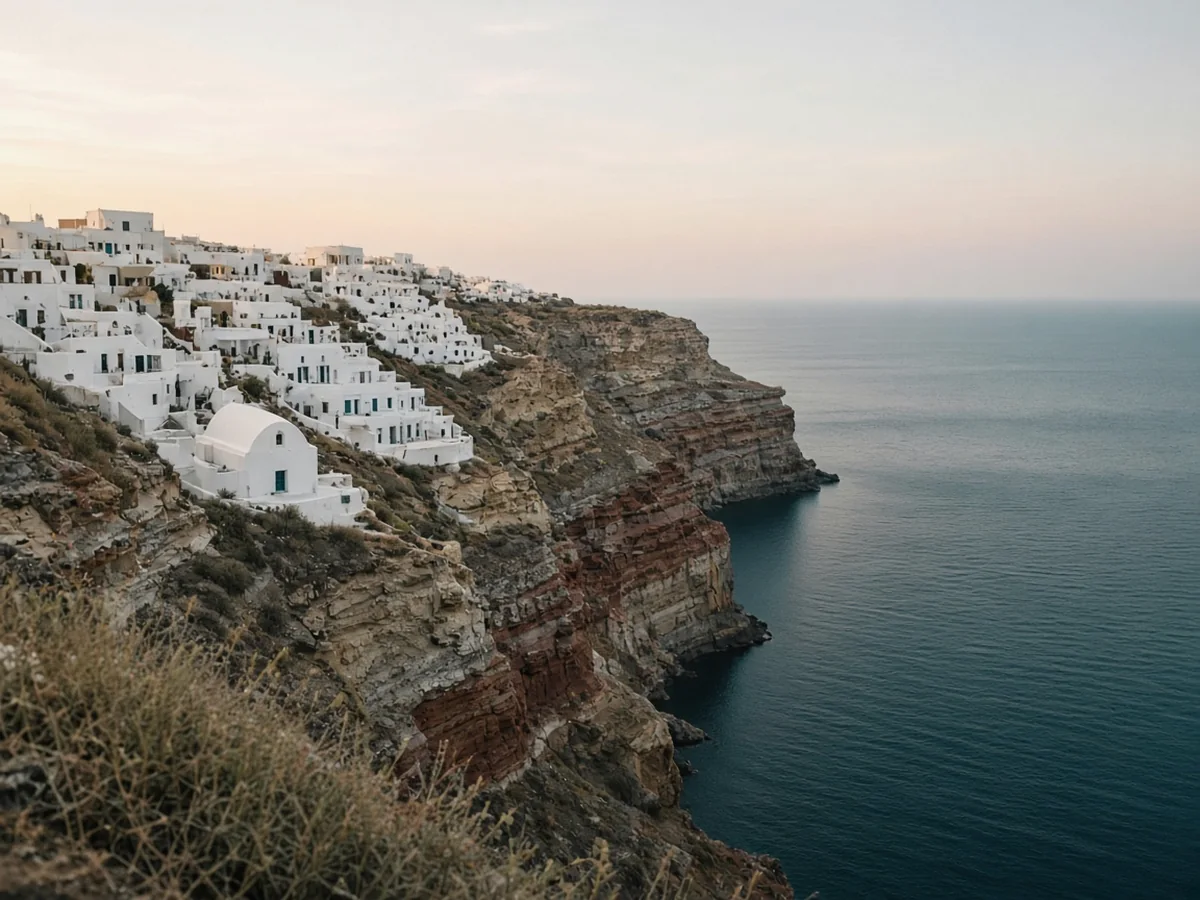
Best for: couples, honeymooners, photographers, a two-to-three-night highlight.
Think twice if: beaches, budget or step-free access are your priorities. Pair it with Naxos or Paros rather than making it your whole trip. For honeymoon ideas, see our guide to the best Greek islands for couples.
4. Crete: one island, a whole holiday
Crete plays a different game. It is Greece’s largest island, with Venetian harbour towns (Chania, Rethymno), Minoan palaces such as Knossos, gorges, mountain villages and a food culture all its own. It also has big airports at Heraklion and Chania with plenty of direct flights, so you can skip Athens entirely.
The classic first-timer mistake on Crete is underestimating its size. Pick one region, either west (Chania and around) or central/east (Heraklion, Rethymno, Elounda), and explore it properly rather than trying to “do” the whole island in a week.
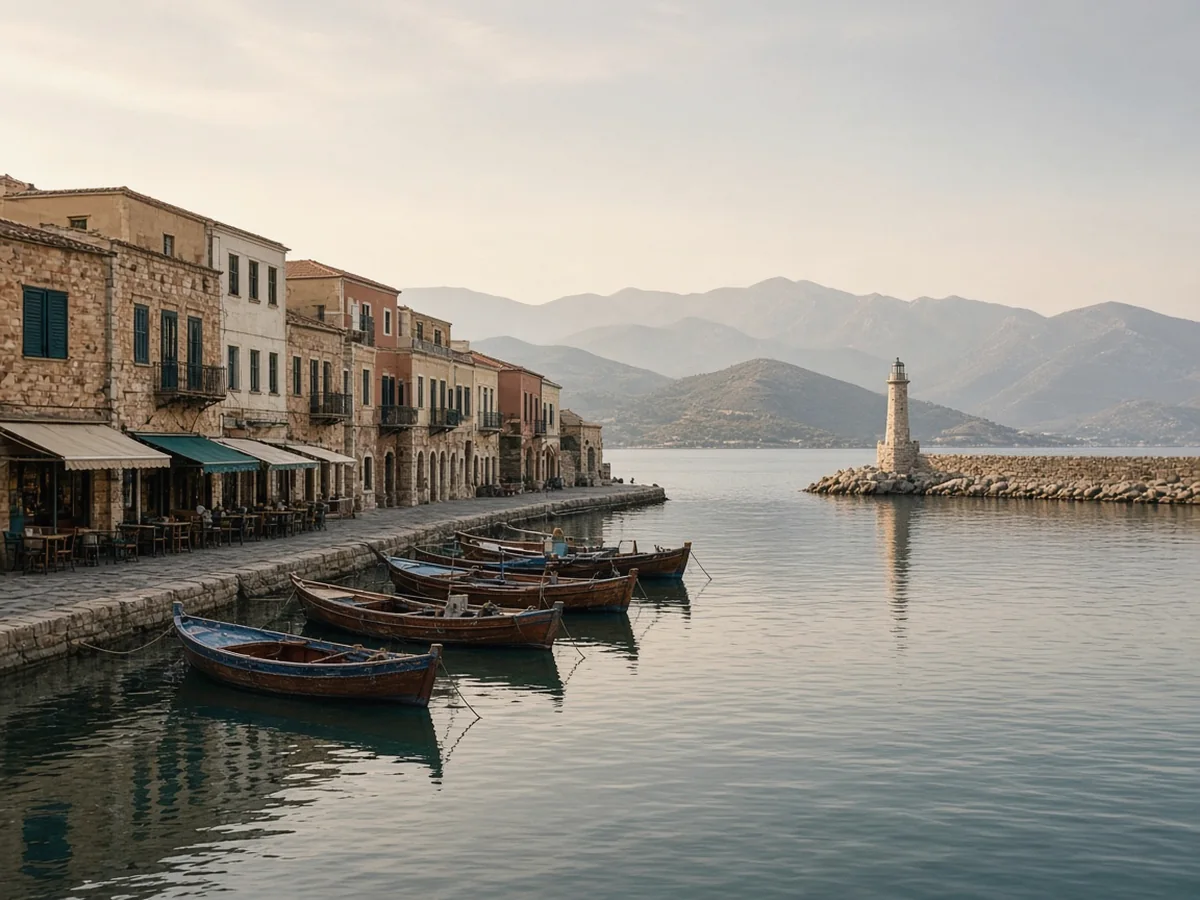
Best for: families, food and history lovers, travellers who want to unpack once, people flying direct from the UK.
Think twice if: you picture classic white-and-blue Cycladic villages, or you don’t want to drive. Crete is gorgeous but feels quite different from the Cyclades.
5. Milos: the best “second island”
Milos has a coastline that looks like nowhere else: the white moonscape of Sarakiniko, the sea caves and arches of Kleftiko, colourful fishing hamlets with boat garages at the waterline. It has become very popular, so “hidden gem” it is not, but it is a superb choice if swimming and boat days matter more to you than nightlife.
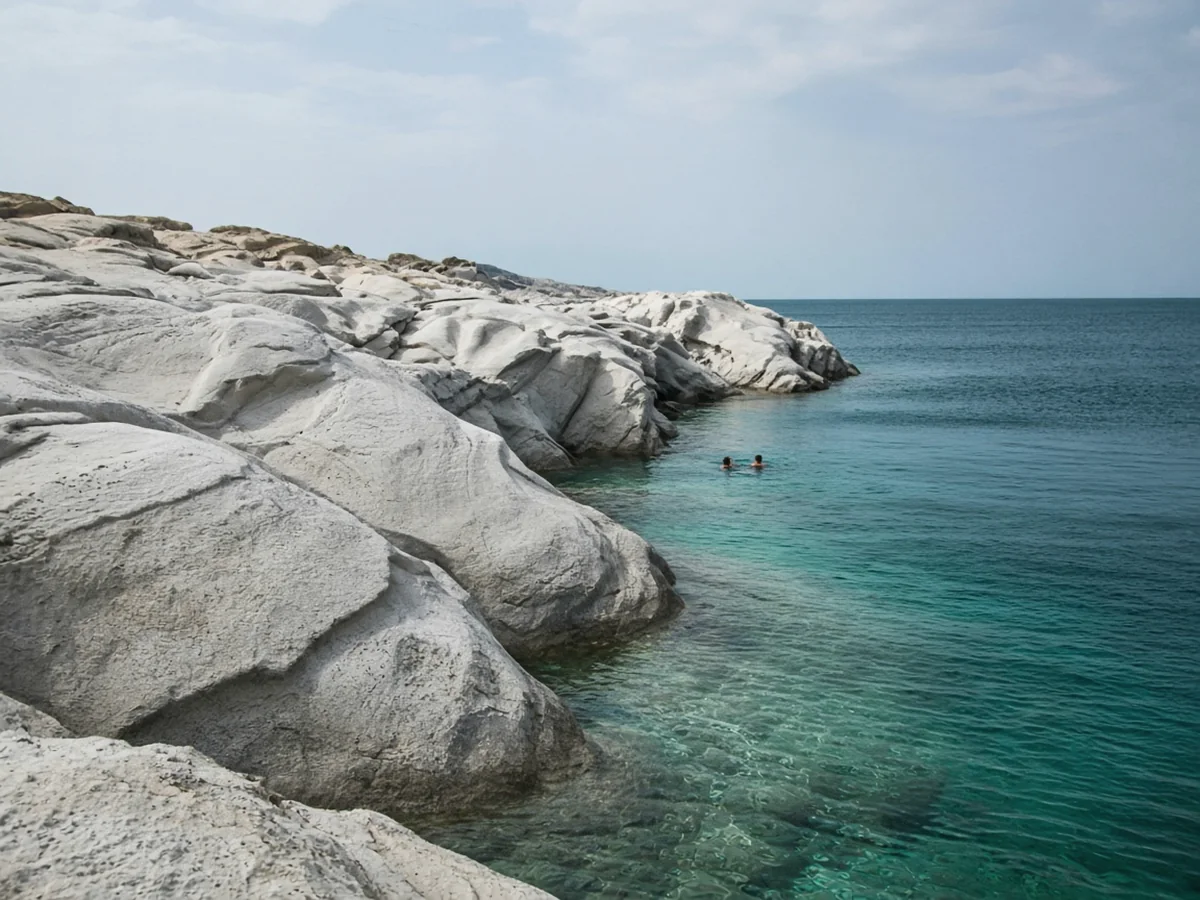
Best for: swimmers, couples, photographers, travellers adding a second island to a western Cyclades route.
Think twice if: you don’t want to drive or you have only a couple of nights. Boat trips depend on the wind, so leave a spare day.
6. Mykonos: for a lively, short stay
Mykonos is not only beach clubs. Mykonos Town’s lanes, Little Venice and the windmills are genuinely lovely, and a day trip to the archaeological site of Delos is a highlight. But nightlife and premium beach venues are a big part of its identity and its prices. Treat it as two or three nights of fun rather than a week, and budget honestly. Our Mykonos travel guide covers how to do it without overspending.
Best for: friend groups, nightlife, stylish short stays.
Think twice if: you want quiet, cheap or family-oriented.
7. Sifnos: the gentle option
If the busy islands put you off but you still want an easy first trip, look at Sifnos. It is known for its food and pottery, has handsome villages around Apollonia, good walking paths and sheltered bays such as Kamares and Vathi. It works well with nearby Serifos and Milos. The catch is fewer ferries than the big hubs, especially in spring and autumn, so book your connections before your rooms.
Save these for trip number two
Islands like Amorgos (dramatic cliffs and hiking), Astypalaia (quiet and remote, technically in the Dodecanese) and Serifos are wonderful, but connections are thinner, services are more seasonal and a cancelled ferry costs you more. They are perfect once you know how island travel works. Amorgos is also an easy add-on to Paros and Naxos on a two-week trip.
First-trip combinations by trip length
The golden rule: at least three nights per island, and fewer islands than you think. Every island change costs you most of a morning (check-out, port, sailing, check-in). The combos below use well-connected, short hops. “Nights” means island nights; add Athens nights separately.
| Island nights | Easy first-trip combo | Why it works | Hop between islands (indicative) | Detailed plan |
|---|---|---|---|---|
| 4–5 | One island: Naxos or Paros. Or Crete (one region). | No island changes; time to settle in. Santorini alone works for 3 nights if it’s a must. | None | Naxos guide / Paros guide |
| 6–7 | Paros (3) + Naxos (4) | The classic pairing: different personalities, very short, frequent ferry. | Paros–Naxos: about 25 min to 1 hr | 7-day itinerary |
| 6–7 | Naxos (4) + Santorini (3) | Beach-and-village base plus the famous views, without paying Santorini prices all week. | Naxos–Santorini: about 1 to 3 hrs | Santorini guide |
| 9–10 | Paros (3) + Naxos (4) + Santorini (3) | Three contrasting islands in a straight line; fly home from Santorini or ferry back to Athens. | Short hops; Naxos–Santorini as above | 10-day Paros & Naxos itinerary |
| 9–10 | Sifnos (4) + Milos (5) | Quieter western Cyclades: food, villages and boat days. | Varies by season; fewer sailings | Sifnos / Milos guides |
| 12–14 | Paros (4) + Naxos (5) + Amorgos (4) | The well-known pair, then something wilder once you’re confident. | Naxos–Amorgos: about 1 to 4 hrs; slow boats run most days all year, fast ones mainly in summer | 14-day itinerary |
| 12–14 | Crete (8, one region) + Santorini (3–4) | Fly into Crete, finish with the caldera. Good for UK travellers using direct flights. | Heraklion–Santorini: about 1½ hrs on summer fast boats, about 3 hrs on the year-round slower ferry | Crete guide |
Want more route ideas? Our Greek island hopping from Athens guide covers ports, ferry types and longer routes in detail.
Getting to the islands from Athens (and the UK)
Via Athens
Most first trips start in Athens. Athens International Airport connects to the islands in three ways:
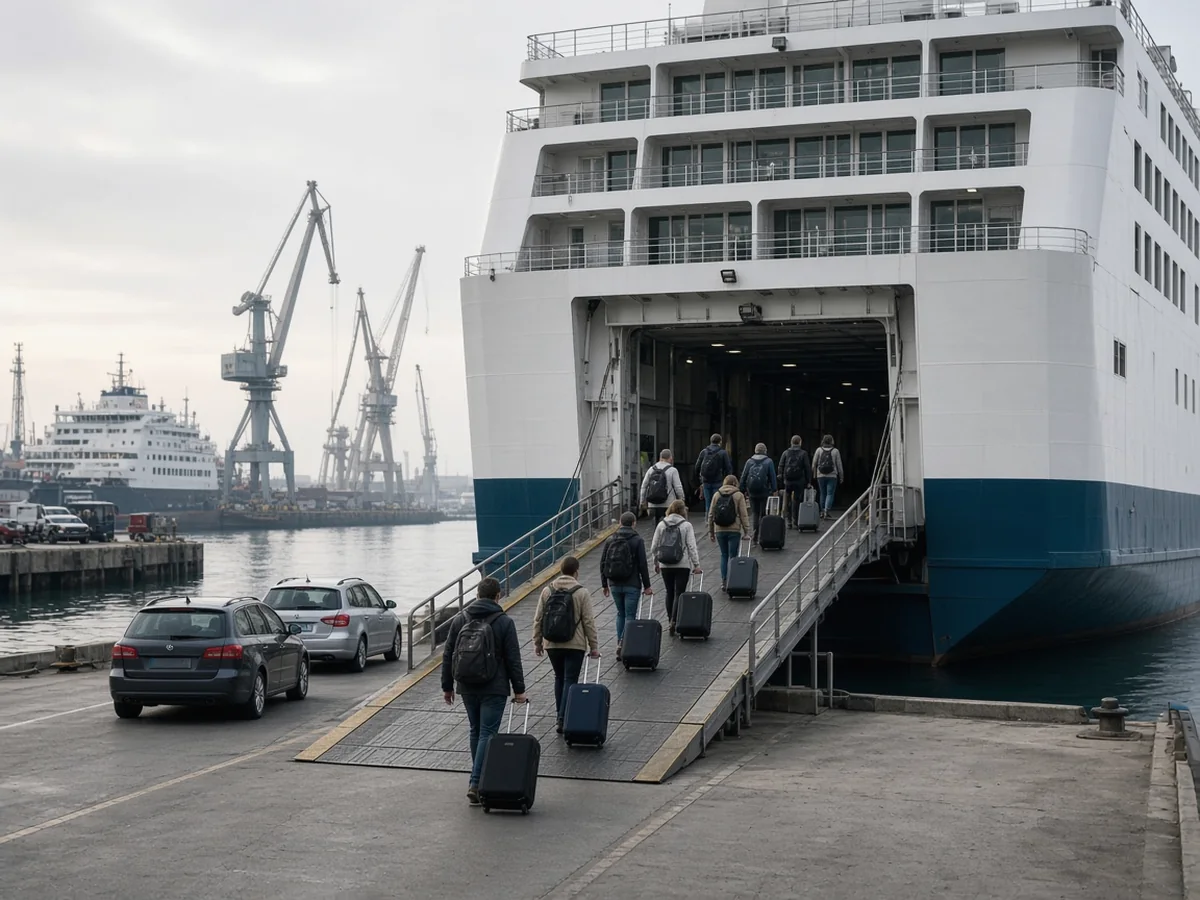
- Piraeus, Athens’ main port, serves Paros, Naxos, Santorini, Milos, Sifnos, Mykonos and Crete. From the airport, Metro Line 3 runs to Piraeus in about an hour (not every Line 3 train goes to the airport, so check the airport timetable). Piraeus is big, and ferries leave from different gates, so check the gate on your ticket and allow time to get there.
- Rafina, on the east coast of Attica, is much closer to the airport (roughly 30 minutes by road) and is handy for Mykonos, Tinos, Andros and some Paros and Naxos sailings. KTEL Attikis buses run from the airport, but check the timetable against your ferry.
- Domestic flights link Athens with Santorini, Mykonos, Paros, Naxos, Milos and Crete. The flights to the smaller islands are short (well under an hour in the air) but planes are small and fares vary a lot.
Should you sail the day you land? It’s possible, especially from Rafina, but it is the riskiest part of most first trips. A delayed flight or slow baggage hall can mean a missed ferry and a lost hotel night. If your flight lands after midday, or you’re travelling with children, spend the first night in Athens. Do the same at the end of the trip: ferries can be cancelled in strong wind, so don’t make your flight home depend on a same-day sailing.
Booking ferries: you can book directly with operators or through a comparison site, and most tickets are now e-tickets on your phone. For July and August, popular sailings, cabins and car spaces do sell out, so book once your dates are fixed. In shoulder season you usually have more flexibility. A full beginner’s walkthrough is in our Greek island ferries for beginners guide.
Flying direct from the UK
From the UK, seasonal direct flights (roughly late spring to autumn) go to Santorini, Mykonos, Heraklion and Chania, among other Greek airports. That opens up some simple first trips without Athens: fly into Crete and stay put, or fly into Santorini and ferry onward to Naxos and Paros, then return via Athens or Santorini. Outside the main season, expect to connect via Athens.
Stay connected: an eSIM set up before you fly makes ferry e-tickets, maps and bus timetables much easier on arrival. UK travellers should also check their mobile plan’s EU roaming terms, which vary by provider.
When to go on your first trip
For most first-timers, the sweet spot is late May to June or September to early October. Ferries, buses, tavernas and beach services are running, the sea is warm (especially in September), and you avoid the peak-season crush and prices.
- July and August: everything is open and the ferry network is at its busiest, but so are the islands. Prices peak, and the meltemi, the strong northerly summer wind in the Aegean, can make crossings rough and sometimes leads to delays or cancellations, especially for smaller high-speed boats.
- September: arguably the best month for a first trip: warm sea, a calmer atmosphere and nearly full services. Our guide to the Greek islands in September goes deeper.
- October: lovely for walking and villages, quieter and cheaper, but services start winding down later in the month and the weather is less predictable. See our Greek islands in October guide.
- November to March: not ideal for a first island trip. Many hotels and restaurants close, and ferry and bus timetables are much thinner. Crete and Naxos keep more going year-round than smaller islands.
If you’re watching costs, our cheapest time to visit the Greek islands guide breaks it down month by month, and Greek islands on a budget has practical ways to save.
Mistakes first-timers make (and how to avoid them)
- Too many islands. Four islands in ten days looks great on a map and feels like a removals job in real life. Two or three is plenty.
- Treating the ferry map like a train map. Not every island connects to every other island every day. Build your route around actual sailings for your dates, then book rooms.
- A same-day ferry home. Wind can cancel sailings. Spend your last night in Athens (or near your departure airport) before an international flight.
- Booking the beautiful villa in the wrong place. Without a car, a remote hillside room can quietly shape every day of your trip. Stay within walking distance of food, a beach or a bus stop.
- Expecting Santorini to be a beach holiday. It’s a views, wine and history island. Go for the caldera, swim elsewhere.
- Trying to see all of Crete in a week. Pick one region and drive less.
- Not leaving slack for the weather. Keep one flexible day on islands where boat trips matter (Milos especially), and buy travel insurance that covers missed connections.
- Assuming shoulder season works like August. In May or October, check that buses, beach tavernas and boat tours are actually running on your dates.
Frequently asked questions
What is the best Greek island for a first-time visitor?
For most first-timers, Naxos is the best all-rounder: sandy beaches, a walkable main town, good food, frequent ferries and a usable summer bus network. Paros is a close second and the two pair easily. Choose Crete if you want one base with lots of variety and direct flights.
Is Santorini worth it for a first trip to Greece?
Yes, if you go for the caldera views, the wineries and Akrotiri, and keep it to two or three nights. It is expensive, busy and its beaches are volcanic rather than golden sand, so pair it with Naxos or Paros rather than spending your whole trip there.
How many Greek islands should I visit in one week?
One or two. With about five or six island nights, two well-connected islands such as Paros and Naxos, or Naxos and Santorini, give you variety without spending your holiday in ferry ports. Aim for at least three nights per island.
What is the best Greek island for first-time couples?
Paros is a great all-round choice for couples, with pretty harbour villages and good restaurants. Santorini is the classic for a short, celebratory stay with caldera views, and Milos suits couples who love swimming and boat days. Our guide to the best Greek islands for couples has more ideas.
Which Greek islands can I fly to directly from the UK?
Seasonal direct flights from the UK typically serve Santorini, Mykonos, Heraklion and Chania on Crete, among other Greek airports, roughly from late spring to autumn. Routes and dates vary by airline and year, so check current schedules. Otherwise, fly to Athens and take a ferry or domestic flight.
Is September a good time to visit the Greek islands for the first time?
September is one of the best months for a first trip. The sea is at its warmest, most ferries, buses and tavernas are still running, and the islands are calmer and often cheaper than in July and August. Book the most popular islands ahead, as early September can still be busy.
Do I need to book Greek ferries in advance?
In July and August, book as soon as your dates are fixed, especially for popular routes, cabins or a car. In shoulder season you can often book a few days ahead, but confirm that your route is running on your dates before booking non-refundable rooms.
Do I need a car on my first Greek island trip?
Not on Naxos, Paros or Santorini if you stay near the main town or bus hub; summer buses reach the popular beaches. A car helps on Crete and Milos and for exploring Naxos’s mountain villages. Many visitors hire one for just a day or two.
The bottom line
Your first Greek island trip doesn’t need to be adventurous to be wonderful. Pick one or two well-connected islands that fit the holiday you actually want, give each at least three nights, keep a buffer around your flights, and leave room for long lunches. Naxos and Paros are the safest bets, Santorini is worth a short stay, and Crete is the answer if you’d rather unpack once. The quieter islands will still be there for your second trip, and you’ll enjoy them more once you know how island travel works.
Ready to plan? Start with our Naxos travel guide or the 7-day Greek island itinerary, or browse all our island guides from the homepage.