Symi Travel Guide: Harbour, Beaches and Where to Stay
Last updated: November 2026

Before you travel: fares and schedules change often, and the prices and times on this page may be out of date. Always confirm current prices and times with the operator, or locally at the port or bus station, before you travel.
The short version
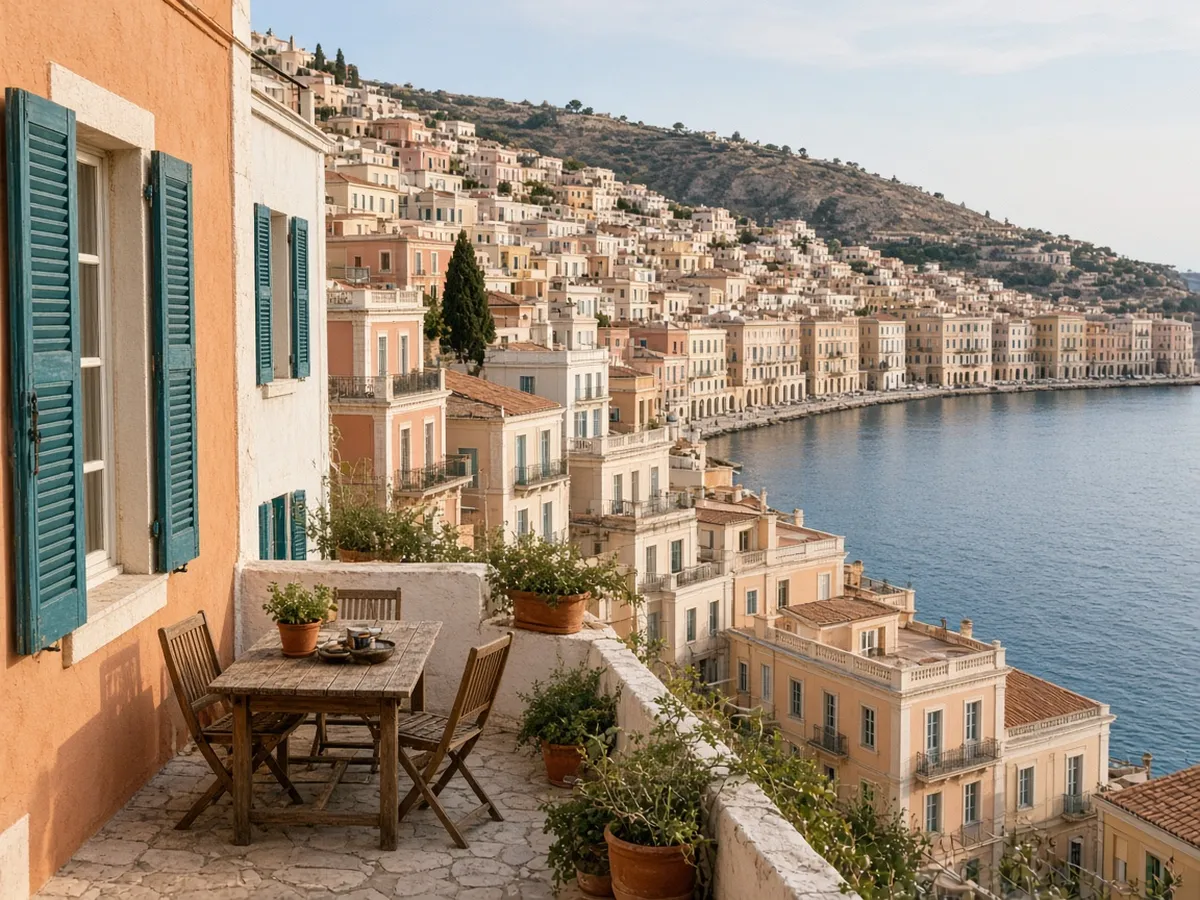
Symi makes an immediate impression from the sea: colourful neoclassical houses rise above a harbour enclosed by steep slopes. It is a Dodecanese island near Rhodes, with a maritime history connected to sponge diving and shipbuilding. Many visitors see it on a day excursion, but staying overnight changes the experience. You can enjoy the waterfront after excursion groups leave, climb into the upper settlement when it is cooler and give a beach a proper day rather than a quick dip between boats.
The important catch is vertical geography. A room that looks close to the harbour on a map can be a substantial climb above it. Symi is rewarding for walkers who respect the heat, but not automatically easy for anyone with mobility difficulties. For a first stay, three full days allow the harbour, the upper village and time by the water without rushing every transfer.
Is it right for you?
| Your holiday | Our take | The compromise |
|---|---|---|
| Harbour architecture and slow evenings | A strong reason to stay overnight | The waterfront can be busy during excursion arrivals |
| Beach boats and coves | A varied holiday if conditions cooperate | Boat access is never guaranteed |
| Flat, effortless resort stay | Choose your room very carefully | Steps and slopes are a central consideration |
Symi is not just a picturesque backdrop to a Rhodes holiday. Give it time and it becomes a place for a morning coffee, an unhurried swim and a different evening walk. It is less suitable if your ideal beach holiday needs a long sandy shore directly outside every accommodation option. Ask practical questions before falling in love with a balcony photograph.
Where to stay
| Base | Why choose it | Before booking |
|---|---|---|
| Gialos | Harbour access, meals and first-visit convenience | Waterfront noise and excursion activity vary by location |
| Chorio / Ano Symi | Village lanes and views above the port | Steep climbs and steps with luggage |
| Pedi | A quieter seaside base | Transport is needed for regular harbour evenings |
| Nimborio area | A deliberate coastal retreat | Check walking access, supplies and evening transport |
Gialos is the simplest default if ferry logistics and evening choice matter most. Chorio suits travellers who want the upper settlement and can comfortably manage its approach. Pedi is attractive for a holiday organised around the bay. Do not assume a taxi can reach every room: ask where the final drop-off is and what remains on foot.
Ask about steps, the walking route from the drop-off point and bedroom noise before booking. A sea view does not automatically mean easy access to the water.
Beaches
| Beach | Why go | Practical catch |
|---|---|---|
| Nos | A convenient shore near the main settlement | Convenience also makes it a popular option |
| Nanou | A pebble bay with striking surroundings | Confirm current boat and return arrangements |
| Marathounta | Clear water and a coastal meal | Plan the road or boat journey first |
| Agios Georgios Dysalonas | A dramatic cliff-backed cove | Treat it as a weather-dependent boat outing |
Symi has many pebble shores, so footwear can make the entry more comfortable. Agios Nikolaos and the Pedi area are further possibilities, but access and facilities should be checked for your dates. Do not build the entire beach plan around one famous boat-only cove. A nearby swim that works in the conditions is worth more than a distant shore you cannot safely reach.
Choose a beach to suit the conditions, not an old photograph. Check waves and entry points, carry water and sun protection, and leave stones, shells and plants where they belong.
Things to do beyond the beach
Gialos and the waterfront
Walk the harbour slowly and notice the neoclassical houses, working boats and public buildings rather than heading straight for a viewpoint. The island promotion site describes the clock, old shipyard area and stone bridge among the waterfront landmarks. A morning and evening visit can feel different. Keep out of ferry loading areas and remember that an attractive harbour is still a transport hub.
Kali Strata and Chorio
The old stair route connects the lower harbour and upper settlement. Make it a cooler-hours walk with drinking water, not an automatic lunchtime activity after a ferry arrival. Wander beyond the main staircase once above, and respect private courtyards. If steps are difficult, ask what road access can realistically solve; it may reduce a climb without making every lane accessible.
Panormitis Monastery
The monastery is an important religious destination on another part of the island, not a harbour attraction you can add casually on foot. Confirm transport, visitor arrangements and a return before leaving. Dress appropriately and allow space for worshippers. A boat excursion that calls here is a different product from a direct ferry to Gialos: read the actual itinerary rather than the island name alone.
What to eat
Choose meals by where you want to spend the evening. Gialos offers a practical concentration of waterfront dining, while a meal in the upper village can be part of a longer walk. Seafood is a natural option on an island with a maritime identity, but do not assume every fish on display is locally caught. Ask about the day’s cooked dishes and ordering sizes; an elaborate seafood order is not compulsory for a good harbour dinner.
Ask the price and approximate total before ordering fish by weight. Explain dietary restrictions clearly rather than assuming a familiar dish always follows the same recipe.
How to get there
There is no airport on Symi. Rhodes is the most obvious gateway to investigate for a fly-and-ferry itinerary, with separate airport and harbour transfers to plan. Compare current sailings with Dodekanisos Seaways and Blue Star Ferries. Do not substitute an excursion advertisement for a confirmed transport ticket.
Check the arrival point, whether the boat returns the same day and whether you are buying a sightseeing trip or a one-way journey. For a combined stay, read our Rhodes guide and allow room for a delay between the islands. Some routes also involve other Dodecanese islands, but the existence of a network does not mean every pair is linked conveniently on your chosen day.
| Part of the journey | What to confirm |
|---|---|
| Before paying | Exact departure and arrival ports, travel date and passenger or vehicle ticket |
| If changing from a flight | Airport-to-port transport and a realistic delay buffer |
| On departure day | Current operator notice, weather and the boarding point named on your ticket |
Do not build your last island night around a tight connection to an international flight. Separate tickets do not protect each other when a boat is delayed. Read our Greek island ferries for beginners guide for boarding, luggage and cancellations. The route suggestions here are planning options, not a promise of a sailing on your dates.
Getting around
Walking is excellent for exploring each settlement, but the climbs and heat affect how much you can comfortably do. Local buses, taxis and seasonal boats can supplement it. Confirm current service and the final return rather than copying a timetable from a previous summer. A car is not automatically helpful for a stay centred on the harbour and boat excursions.
If you want a remote beach, arrange the return before committing to the outward journey. Ask where a boat actually lands, whether passengers need to step into water and what weather would cause a cancellation. With a pushchair or mobility aid, the question is the full door-to-beach route, not simply whether the beach is described as accessible.
When to visit
Late spring and early autumn are appealing for village walking and slower afternoons. High summer suits a beach-and-harbour stay, but exposed stairways can feel very hot: move the climb to another part of the day. Quieter months require more deliberate checks on boats, accommodation and food options. Never assume a summer excursion programme continues unchanged into autumn.
| Season | Good reason to go | What to check |
|---|---|---|
| Spring | Walking and village visits before the busiest beach weeks | Accommodation openings, transport and changeable weather |
| High summer | The widest choice of visitor services | Heat, crowding and wind before a long outdoor day |
| Early autumn | A slower mix of swimming and sightseeing | Return sailings and the seasonal closing dates of businesses |
| Winter | A visit centred on everyday island life | A confirmed place to stay, meals and workable transport |
These are seasonal planning patterns, not a forecast. For wider comparisons see the best time to visit the Greek islands. Book the season you actually want: a quiet walking holiday and a full-service beach holiday need different compromises.
A realistic three-day plan
- Day 1: Arrive in Gialos, settle in and explore the waterfront. Choose an easy nearby swim rather than another transfer immediately.
- Day 2: Climb to Chorio in the cooler part of the day, with time for lanes and a leisurely meal. Return by a route or transport option you can manage.
- Day 3: Choose either a confirmed beach-boat outing or Panormitis, depending on your interests and current conditions. Save the other for a longer stay.
Treat this as three full days on the island, not an arrival evening and two hurried mornings. If your boat comes in late, move the first outing to the following day. Keep one activity optional so the trip still works if the weather changes. Travelling with children or anyone who tires on steps is a good reason to remove a stop, not add a faster vehicle.

Honest downsides
Symi can disappoint if you book a hillside room expecting a flat harbour break. Daytime excursion crowds, hot stairways and boat-dependent beaches are the practical compromises. The view from the upper village may be wonderful while the return climb after dinner feels less wonderful. Staying overnight gives you more choice about timing, but does not remove the need to choose your base honestly.
Choose a base where you would enjoy an ordinary day even if an excursion were cancelled. The island should suit your habits, not only your photographs.
Frequently asked questions
Is Symi worth visiting?
Yes, especially if you enjoy harbour architecture, village walks and unhurried coastal days. Staying overnight offers a different pace from a day excursion.
How many days should I spend on Symi?
Three full days give a balanced introduction to the harbour, upper settlement and a beach or monastery outing.
Do I need a car on Symi?
Usually not for a harbour-based stay. Walking, confirmed local transport and suitable boat outings can cover a modest itinerary.
How do I get to Symi?
Arrive by sea. Rhodes is a useful gateway to investigate, with current operators and your exact arrival point checked before booking.
Where should I stay on Symi?
Gialos is practical for services and ferries, Chorio for village atmosphere if you accept steps, and Pedi for a quieter coastal base.
Is Symi suitable for families?
Yes with careful room and beach selection. Hills, hot steps and boat boarding need more consideration with small children.
Sources and useful links
- Visit Greece: Symi
- Visit Symi: settlements and transport
- Visit Greece: beaches of Symi
- Dodekanisos Seaways: current routes
Transport and visitor access change. Check current details with the operator or site before travelling. Independent planning guide, updated November 2026.