Tilos Travel Guide: Quiet Beaches, Walks and Villages
Last updated: November 2026
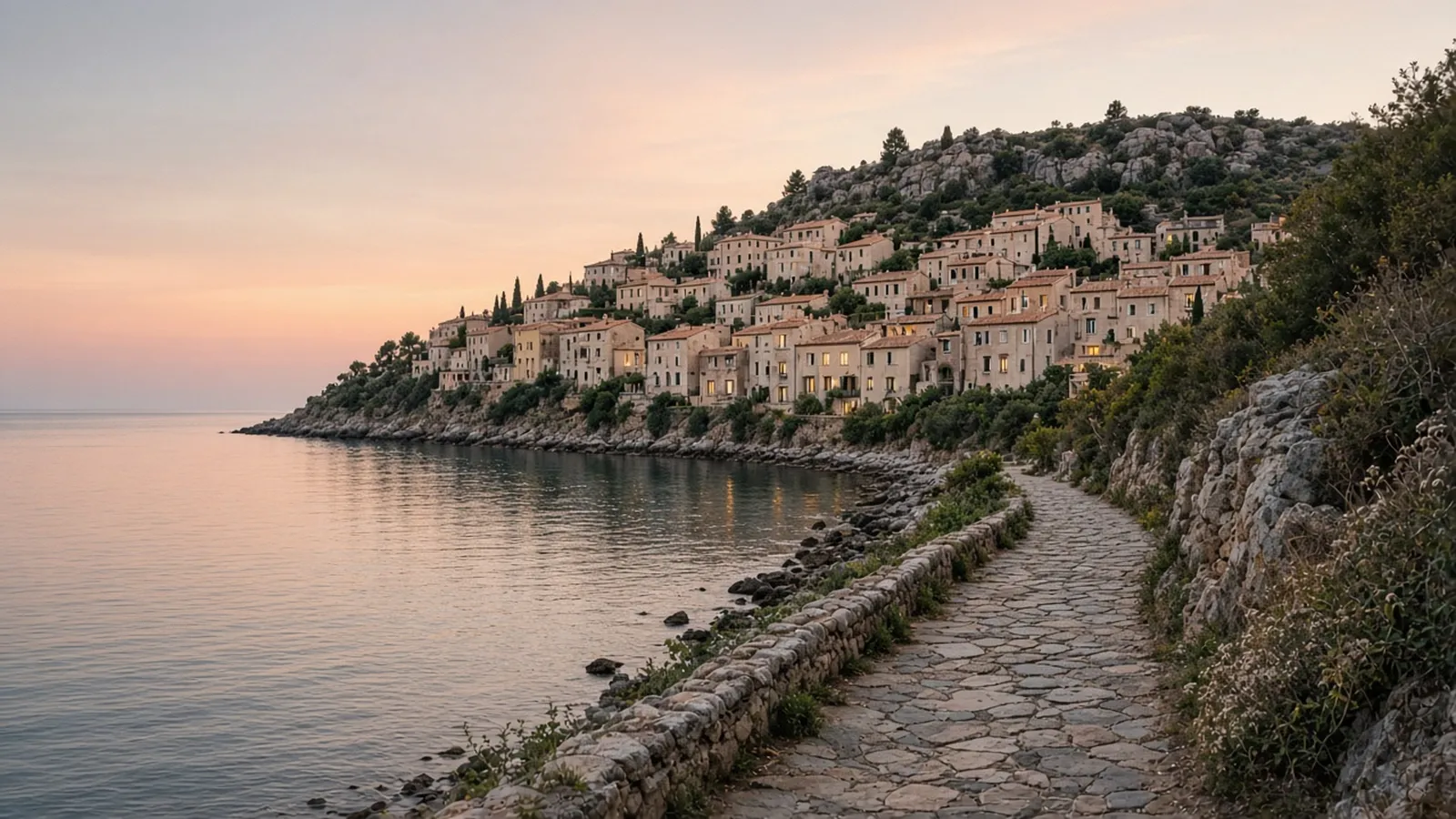
Before you travel: fares and schedules change often, and the prices and times on this page may be out of date. Always confirm current prices and times with the operator, or locally at the port or bus station, before you travel.
The short version
Tilos is a small Dodecanese island for quiet coastal days, village walks and a less organised style of holiday. Livadia is the port and the practical visitor centre; Megalo Chorio offers a different, inland village setting. There are beaches you can reach without making an expedition and others that demand more preparation. The island also has an unexpected prehistoric story: dwarf-elephant remains were found at Charkadio Cave. It is enough variety for a gentle stay, not an invitation to pack every day.
Choose Tilos because you like the idea of doing a little less. Three full days make an introduction, while a longer stay gives walks and swims room to follow the conditions. It is not the best match for visitors who need extensive shopping, nightlife or several organised activities each day. The quiet is a real part of the experience, along with the need to check transport and seasonal services.
Is it right for you?
| Your holiday | Our take | The compromise |
|---|---|---|
| Walking and quiet beaches | A natural match | Heat and remote approaches need planning |
| Village life and nature | Rewarding at a slower pace | Not every attraction keeps extensive visitor hours |
| Busy resort holiday | Probably not the right fit | A smaller choice of entertainment and services |
Tilos suits travellers who can enjoy returning to the same stretch of waterfront more than once. It is also a place to be considerate about waste and wildlife. Follow the sorting instructions at your accommodation and take everything back from remote beaches. You do not need a claim about being the greenest island to make those habits worthwhile.
Where to stay
| Base | Why choose it | Before booking |
|---|---|---|
| Livadia | Port, food, services and an easy first-visit base | The most active visitor area is not total seclusion |
| Megalo Chorio | Village atmosphere and inland outings | Not a beach doorstep; transport needs planning |
| Eristos area | A stay centred on a broad beach | Check open meals and the route to services |
| Agios Antonios area | A quiet coastal setting | A deliberate choice with fewer everyday options |
Livadia is the sensible default without a car, especially if you want a swim and dinner without arranging a transfer. Megalo Chorio suits people who actively prefer village life. Around Eristos, check the accommodation location rather than assuming every room described by the beach name is directly beside the sand. More remote bases need a reliable plan for groceries and evenings.
Ask about steps, the walking route from the drop-off point and bedroom noise before booking. A sea view does not automatically mean easy access to the water.
Beaches
| Beach | Why go | Practical catch |
|---|---|---|
| Livadia | A convenient pebble shore near services | Choose the entry that suits your feet and swimming ability |
| Eristos | A broader beach outing | Carry supplies and check current facilities |
| Plaka | A quieter coast with shade in the surrounding area | Do not assume shade will be free or available at your spot |
| Lethra | A walking-based beach day | Check the path and avoid a hot return |
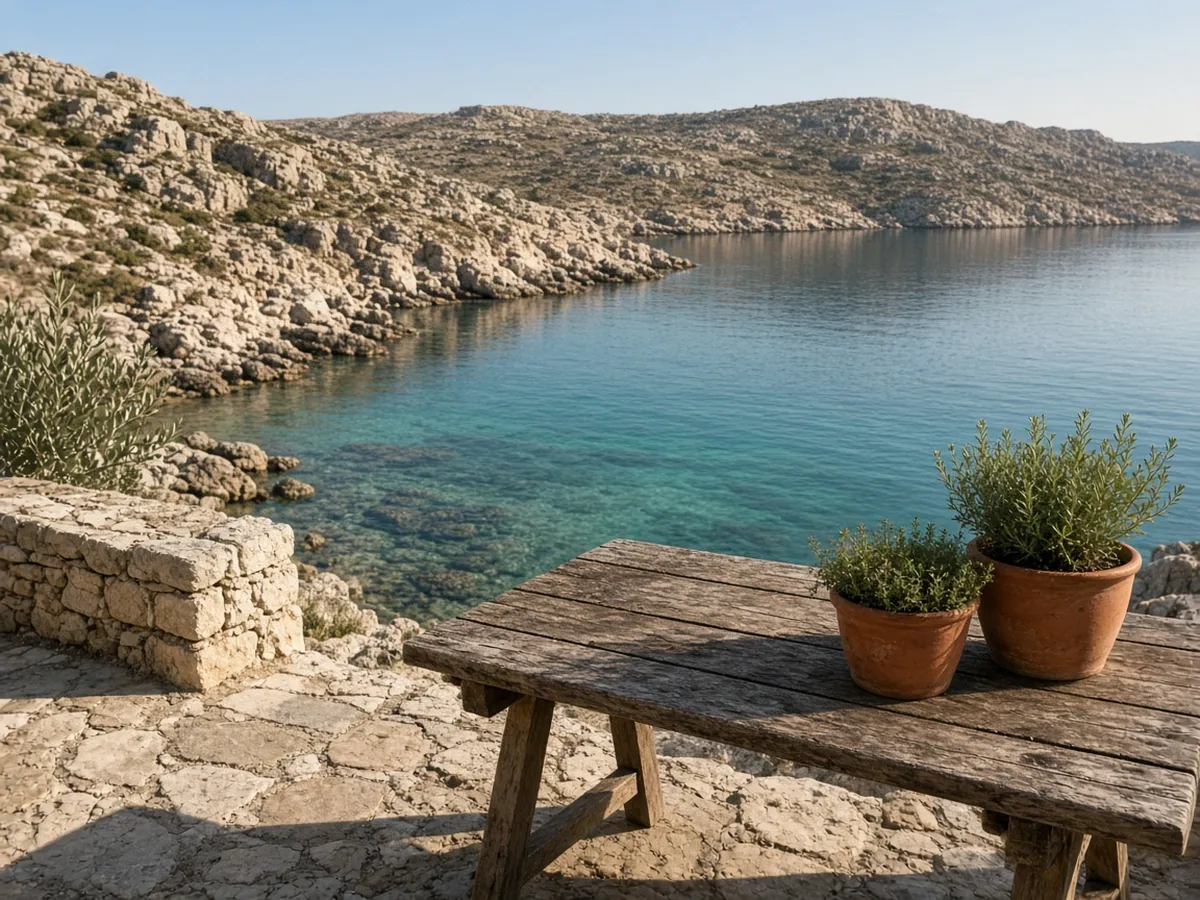
Remote beaches should be an optional extra, not the only way you can enjoy the island. Discover Greece describes many shores without facilities, so bring what you need rather than counting on a canteen. At Plaka, wildlife and the natural setting are part of the appeal; do not feed or chase animals for photographs. For Lethra, confirm the path condition locally and carry water for both directions.
Choose a beach to suit the conditions, not an old photograph. Check waves and entry points, carry water and sun protection, and leave stones, shells and plants where they belong.
Things to do beyond the beach
Megalo Chorio and its lanes
Walk the village slowly and leave time for a meal or coffee. The church of Agios Ioannis and the archaeological museum are among the places described by Discover Greece. Check museum openings rather than assuming a small collection operates like a major city attraction. The route toward the castle ruins is steep; it is an optional walk, not a necessary part of seeing the village.
Mikro Chorio and the island paths
Mikro Chorio is an abandoned settlement, distinct from Megalo Chorio. Its ruined houses make an evocative walk, but stay out of unstable buildings and do not treat an empty doorway as a safe entrance. Elsewhere, choose a path that suits the forecast and your ability. A short, well-prepared route is better than an exposed circular walk chosen from an old online description.
The dwarf-elephant story
Charkadio Cave is associated with the discovery of dwarf-elephant remains, an unusual and worthwhile part of Tilos’s history. Discover Greece describes a palaeontological museum near the cave in the Messaria area. Confirm the current visitor location and opening arrangements before setting off specifically for the display. Do not assume the cave itself is open: an archaeological or scientific site is not automatically a visitor attraction.
What to eat
Livadia is the practical place to look for waterfront meals, while a lunch in Megalo Chorio can be part of a village outing. Discover Greece highlights goat and other meat dishes in the village tavernas, with seafood among the coastal options. Ask what the kitchen has made that day. A quiet island does not mean every business serves throughout the afternoon or remains open late, especially outside the main visitor season.
Ask the price and approximate total before ordering fish by weight. Explain dietary restrictions clearly rather than assuming a familiar dish always follows the same recipe.
How to get there
There is no airport on Tilos. Investigate ferry services with Dodekanisos Seaways and Blue Star Ferries. Both the exact date and departure port matter; no fixed frequency or crossing time is promised here. Livadia is the arrival settlement to use when arranging your accommodation transfer.
Flying to Rhodes or Kos and continuing by sea can be practical, but check the actual port named by the operator. Regional tourism descriptions sometimes blur different Rhodes harbours. Do not book an airport transfer simply to the port without specifying which one. Separate flight and ferry tickets need a comfortable buffer, and sometimes an overnight stay is the sensible choice.
| Part of the journey | What to confirm |
|---|---|
| Before paying | Exact departure and arrival ports, travel date and passenger or vehicle ticket |
| If changing from a flight | Airport-to-port transport and a realistic delay buffer |
| On departure day | Current operator notice, weather and the boarding point named on your ticket |
Do not build your last island night around a tight connection to an international flight. Separate tickets do not protect each other when a boat is delayed. Read our Greek island ferries for beginners guide for boarding, luggage and cancellations. The route suggestions here are planning options, not a promise of a sailing on your dates.
Getting around
A Livadia-based holiday can work without a car if you are happy with local swimming and a few planned outings. Confirm local bus arrangements for Megalo Chorio and the places you want to visit, including the last useful return. Do not assume a seasonal beach service operates every day or that a stop sits beside the water.
A hire vehicle gives freedom for road-accessible villages and beaches, but will not remove the walking from every remote shore. Check where paved access ends and what your rental agreement allows. If using a taxi or arranged transfer, agree the collection point and return in advance. Walking should be a chosen activity with proper shoes, not an improvised solution when the bus has finished.
When to visit
Spring is appealing for walks and the island’s plant life; early autumn can suit a quieter mix of swimming and village time. High summer needs careful timing of exposed walks and a willingness to spend hot hours close to shade. Winter is a different kind of visit, requiring confirmed accommodation, meals and ferry combinations rather than assumptions based on summer descriptions.
| Season | Good reason to go | What to check |
|---|---|---|
| Spring | Walking and village visits before the busiest beach weeks | Accommodation openings, transport and changeable weather |
| High summer | The widest choice of visitor services | Heat, crowding and wind before a long outdoor day |
| Early autumn | A slower mix of swimming and sightseeing | Return sailings and the seasonal closing dates of businesses |
| Winter | A visit centred on everyday island life | A confirmed place to stay, meals and workable transport |
These are seasonal planning patterns, not a forecast. For wider comparisons see the best time to visit the Greek islands. Book the season you actually want: a quiet walking holiday and a full-service beach holiday need different compromises.
A realistic three-day plan
- Day 1: Explore Livadia, swim on a suitable stretch of its shore and organise the following outings. Keep the first evening simple.
- Day 2: Visit Megalo Chorio and a confirmed museum display if open. Add either a short walk or Eristos, not an exhausting circuit.
- Day 3: Choose a manageable path, a quiet beach or a slower coastal outing. Keep it flexible if wind or heat makes walking unattractive.
Treat this as three full days on the island, not an arrival evening and two hurried mornings. If your boat comes in late, move the first outing to the following day. Keep one activity optional so the trip still works if the weather changes. Travelling with children or anyone who tires on steps is a good reason to remove a stop, not add a faster vehicle.
Honest downsides
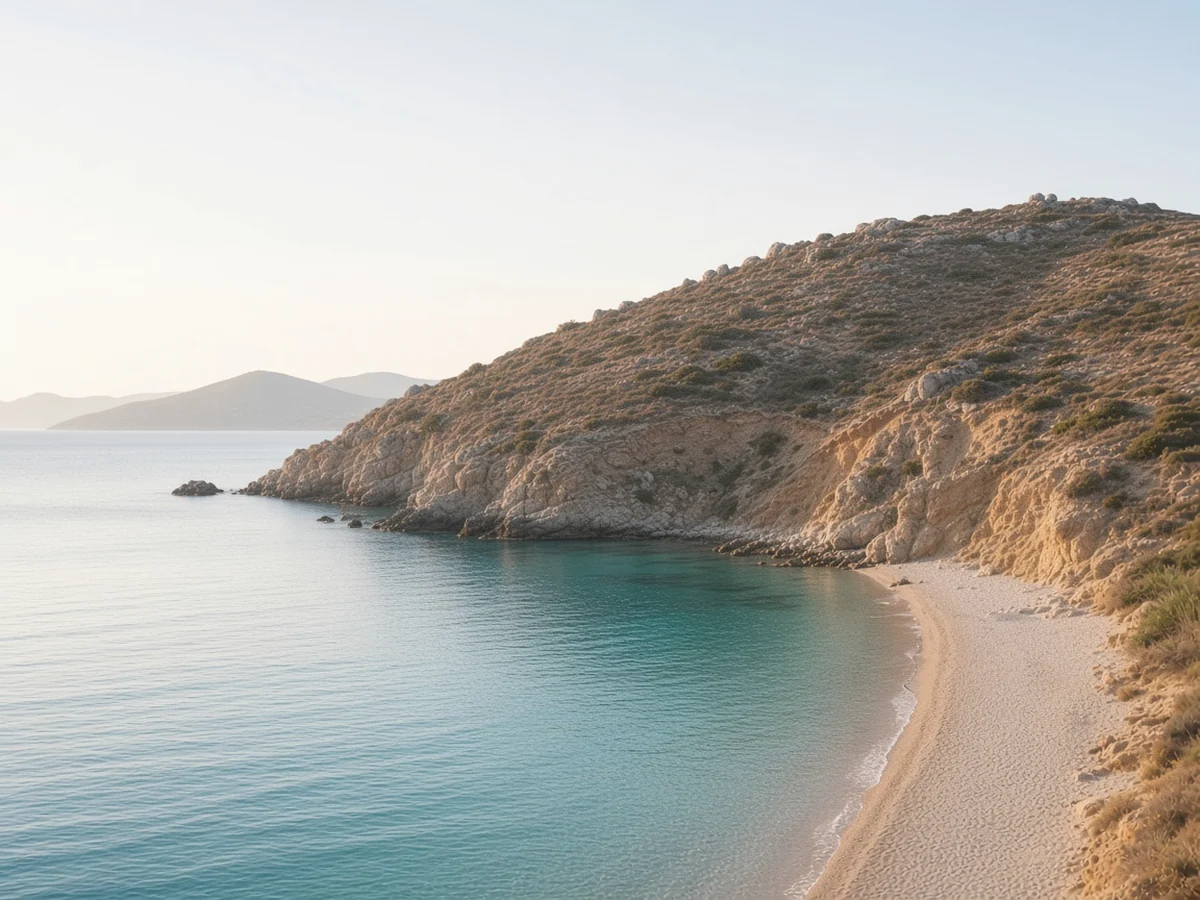
Tilos can feel too quiet if you need a constant supply of organised entertainment. Remote beaches may lack facilities, walking can be exposed and ferries constrain the itinerary. A smaller visitor economy also means opening times need checking. The solution is not to force a faster pace onto the island, but to decide whether its ordinary quiet days are what you actually want.
Choose a base where you would enjoy an ordinary day even if an excursion were cancelled. The island should suit your habits, not only your photographs.
Frequently asked questions
Is Tilos worth visiting?
Yes for quiet beaches, walking and village life. It is less suited to a busy resort or nightlife holiday.
How many days should I spend on Tilos?
Three full days make an introduction; longer allows a slower pace and flexibility around walks and ferries.
Do I need a car on Tilos?
Not necessarily if based in Livadia with planned outings. Confirm buses or transfers before relying on them.
How do I get to Tilos?
Arrive by ferry. Rhodes and Kos are flight gateways to investigate, with the precise departure port checked against your sailing.
Where should I stay on Tilos?
Livadia is the practical first choice, Megalo Chorio suits village life and Eristos suits a deliberate beach focus.
Is Tilos suitable for families?
Yes for families happy with simple beach days. Pick easy approaches and do not make remote walks compulsory.
Sources and useful links
- Visit Greece: Tilos
- Visit Greece: beaches
- Discover Greece: municipality-sponsored Tilos guide
- Dodekanisos Seaways: current network
Transport and visitor access change. Check current details with the operator or site before travelling. Independent planning guide, updated November 2026.