Things to Do in Milos, Greece: Boat Days, Villages and the Volcanic Coast
Last updated: November 2026

Short version: the best things to do in Milos are a boat day along the south-west coast to Kleftiko, an early visit to the white rock of Sarakiniko, sunset from the castle hill above Plaka and an evening in the fishing villages with their painted boathouses. Add the catacombs, the mining museum and a sea-kayak day. Leave one day spare: the wind decides a lot here.
Milos is a volcanic island in the western Cyclades, and most of what makes it special is the coastline: white, red and ochre cliffs, sea caves and coves you can only see properly from the water. It is no secret any more, and July and August are busy. For the bigger picture, see our Milos travel guide.
Before you travel: fares, schedules, opening hours, tax rates and seasonal rules change often, and the details on this page may be out of date. Always confirm current prices, times and rules with the operator or the official site, or locally, before you travel.
Quick answer: what to do in Milos
| Thing to do | Best for | Wind and timing |
|---|---|---|
| Boat trip to Kleftiko | Everyone; the classic Milos day | South-west coast; trips change route or cancel in strong wind |
| Sarakiniko | Geology, photos, a careful swim | North coast: skip it in a strong north wind; go early or late |
| Plaka and the Kastro | Sunset, lanes, evening meal | Fine in any wind |
| Klima, Mandrakia, Firopotamos | Boathouses, quiet swims, seafood | Calm in a south wind; good evening stops |
| Catacombs and ancient theatre | History on a hot or windy day | Catacombs closed Tuesdays; fewer days in winter |
| Mining museum, Adamas | Understanding the island | April to October |
| Sea kayaking | Fit, confident swimmers | Route picked the evening before by wind |
| Polyaigos day trip | Wild coast, clear water | Calm seas only; protected island |
Boat trips to Kleftiko
Kleftiko is a bay of white rock pillars, arches and sea caves on the south-west tip of Milos, and a boat day there is the highlight of most trips. There is no road; you go by boat, usually from Adamas, or by a steep hike that is not for most people. Our Milos boat trips guide compares catamarans, sailing boats and small wooden boats, so we will not repeat it here.
Two honest points. First, the wind: Kleftiko faces south-west, so it is often reachable in the summer meltemi, but the ride can be bumpy and a southerly can close it. Book early in your stay so a cancelled trip can move. Second, the rocks are unstable. Since November 2023 a Milos port authority decision has banned boats, kayaks and swimmers from coming within 25 metres of the base of the cliffs and rock islets in the bay, all year, until a geotechnical study is completed. You swim from the boat in open water, not through the arches; ask your skipper what applies on the day.
Sarakiniko: go early and respect the swell
Sarakiniko, on the north coast, is a moonscape of smooth white volcanic rock around a narrow inlet of deep blue water. It is a landscape first and a beach second: there is hardly any sand, no shade and fierce glare at midday. Go at sunrise or in the late afternoon, with water and shoes that grip.
It can be dangerous. Two visitors drowned there in August 2025. The municipality says Sarakiniko now has organised lifeguard cover, warning signs, buoys and a marked swimming zone, and the mayor said two lifeguards were on duty from 10:00 to 18:00 from 1 June 2026, the first time it had any, as reported by To Vima. The municipality of Milos also warns that jumping from the rocks in heavy swell or bad weather is a serious risk. If the north wind is up, do not swim or jump; look, take your photos and go south.
Plaka and the castle sunset
Plaka, the hilltop capital, is where most people end the day. Wander the lanes, then climb the steps to the Kastro, the old castle hill above the village, for sunset over the bay and the west of the island. Arrive early in summer, then eat in Plaka or neighbouring Trypiti. Parking is limited in high season, and the Milos Buses timetable decides how late you can stay without a car.
Klima and the fishing villages (syrmata)
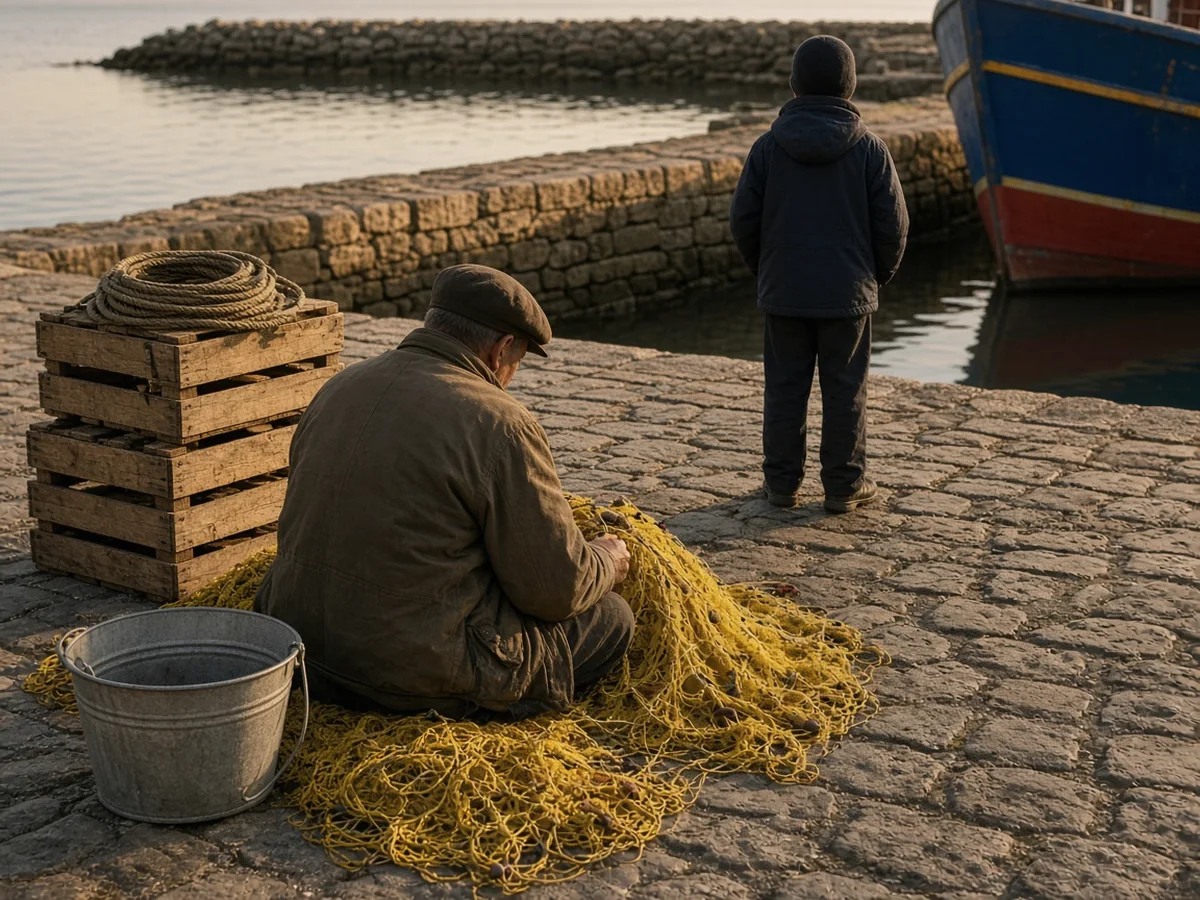
Below Plaka, the fishing village of Klima is a row of syrmata: boathouses built at the waterline, with brightly painted doors where the boats go in and small rooms above. They are still homes and working spaces, so stay off private terraces and slipways. Late afternoon light is best.
Firopotamos
Firopotamos is a tiny fishing settlement with a church, more boathouses and a small, shallow bay that suits young children. It is sheltered on a south-wind day and has sea caves for snorkelling, but little shade and few facilities, so bring what you need.
Mandrakia
Mandrakia is a quiet hamlet of boathouses and white rock with two small swimming spots and a fish taverna by the water. Come for a late lunch or an early dinner.
The catacombs, the ancient theatre and the Venus de Milo site
Ancient Milos sits on the slope between Trypiti and Klima, and the three sights are close enough to walk between. The Catacombs of Milos are an early Christian underground cemetery used from the mid-1st to the 7th century AD, with about 200 metres of galleries cut into the soft volcanic rock. The visit is short, but it is cool underground on a hot day.
Nearby is the Ancient Theatre of Milos, built in the Roman period and partly restored, with a view over the bay. Close by, a marker shows roughly where the Venus de Milo was found in 1820; the statue itself has been in the Louvre since 1821, so manage expectations.
| Site | Season and days (2026) | Notes |
|---|---|---|
| Catacombs | 1 Apr-31 Oct: open daily except Tuesday, morning to mid-afternoon; winter: fewer days | Full ticket €10; free on some dates; e-tickets on Hellenic Heritage |
| Archaeological Museum, Plaka | Summer: daily except Tuesday; winter: four days a week | The island’s ancient story; check the Ephorate page |
| Phylakopi (Bronze Age site) | Listed as temporarily closed | Check before planning a visit |
Hellenic Heritage and the Ephorate of Antiquities of the Cyclades, both read 15 Nov 2026.
Check locally: ticket prices, opening days and hours may be out of date. Confirm them on the official pages before you go.
The Milos Mining Museum
Mining shaped Milos for thousands of years, from prehistoric obsidian to the industrial minerals mined today. The Milos Mining Museum in Adamas explains it well, with an audio guide in five languages. It is a good choice for a windy morning.
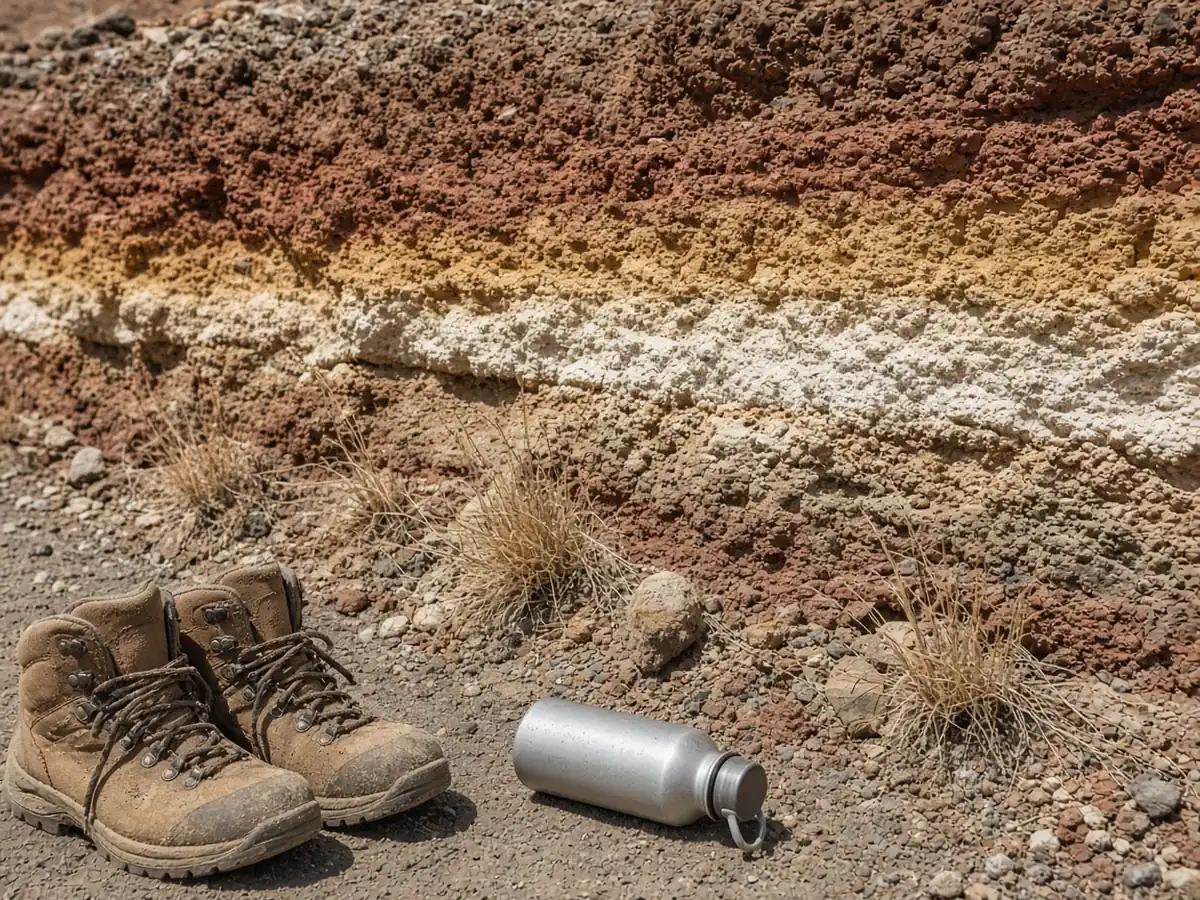
The museum opens from April to October, with evening hours added in high summer; from November to March it opens only for school programmes, according to its official page. It also promotes the Miloterranean Geo Walks, marked routes through old mining landscapes.
Sea kayaking around Milos
A sea kayak gets you into coves, caves and rock gardens that big boats pass by. One established local operator, Sea Kayak Milos, runs guided full-day trips daily from mid-April to the end of October, with about three hours of paddling and stops to swim and snorkel. The route is chosen the evening before from the forecast, so you cannot pick Kleftiko in advance, and kayaks must also keep 25 metres from the base of its cliffs.
Be honest about fitness: a full day in sun and wind is tiring. Double kayaks help mixed-ability pairs, and a sunset paddle is a gentler start.
A day trip to Polyaigos
Polyaigos is the uninhabited island off the east coast of Milos, next to Kimolos, with very clear water and no roads, shops or shade. Boats run in summer from Pollonia and Adamas, often combined with the Kimolos coast. It only works in calm seas, so trips cancel in a strong meltemi.
Polyaigos is protected. It lies within two Natura 2000 sites and is a breeding ground for the Mediterranean monk seal, the Ministry of Environment says, as reported by Proto Thema, and it was declared an archaeological site in September 2025. In September 2026 the authorities stopped an unauthorised beach party there; organised events of more than ten people with amplified sound are banned, as reported by Greek City Times (20 September 2026). Take all rubbish home and keep well away from seals. For the neighbouring island, see our Kimolos day trip guide.
Food: what to eat in Milos
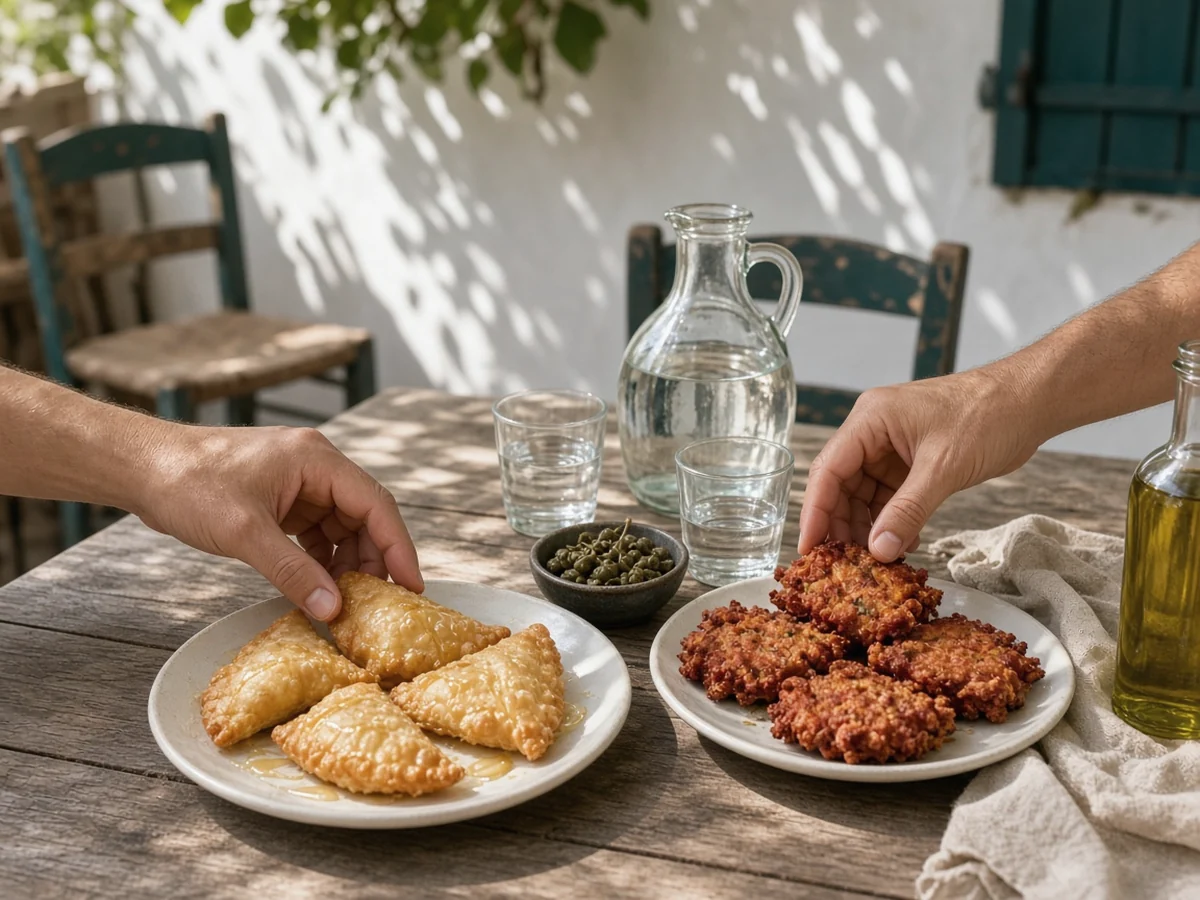
Milos food is simple island cooking. According to Visit Greece, look out for these:
- Pitarakia: small fried pies with cheese or herbs, served hot with honey.
- Cheeses: spicy aged arseniko, mild xino tyri, and manoura.
- Capers and tomatoes: hand-picked capers, and beltes, a paste made from local bournela tomatoes.
- Fritters: domatokeftedes (tomato) and kolokythokeftedes (courgette).
- Taverna and festival dishes: skoufomakarono, pasta with myzithra and browned butter, and lemony goat.
- Sweets: koufeta almond sweets, watermelon pie (karpouzopita) and pasteli.
Eat seafood in the fishing villages, and go to a village festival (panigyri) if one falls in your dates. Waterfront prices reflect the view; eat one street back as well.
Milos beaches: the short version
Milos has more than 70 beaches, and on any given day the wind picks the best ones. When the meltemi blows from the north, head for the south coast: Paleochori, Firiplaka and Agia Kyriaki. In a south wind, go north to Firopotamos, Plathiena, Mandrakia and Pollonia. Our best beaches in Milos guide covers each one, by wind, access and how easy it is with children.
When to go and planning around the wind
June and September are the sweet spots: warm sea, boat trips and kayak days running, and fewer people than in the peak. July and August bring crowds at Sarakiniko and Kleftiko and the meltemi, a strong north wind that can cancel boat trips for a day or more. May and October are quieter, but some boat programmes and tavernas run reduced hours. Read our meltemi guide, and see June and September.
Give Milos four or five nights if you can, with one spare day, so you can swap a boat day for a village or museum day when the wind gets up. How many days in Milos has sample plans.

Getting around and where to stay
Milos is more spread out than it looks. In summer the Milos Buses link Adamas with Plaka, Pollonia, Sarakiniko and some south-coast beaches, and boat trips leave from Adamas, so a car-free stay works if you base yourself well. For the far west, hire a car for a day or two; some dirt roads are excluded by rental contracts. Our Milos without a car guide has the details.
Adamas is the practical base for the port, buses and boat trips; Pollonia is quieter, with the boats to Polyaigos and Kimolos; Plaka has the sunsets. Our where to stay in Milos guide compares the areas. Arriving by sea? See the ferry from Athens to Milos guide, and check current fares/times with the operators before you book.
Frequently asked questions
What is there to do in Milos?
Take a boat trip to Kleftiko, see Sarakiniko early in the day, watch the sunset from the castle hill above Plaka and spend an evening in the fishing villages. Add the catacombs, the mining museum, a sea-kayak day or a trip to Polyaigos.
How many days do you need in Milos?
Four or five nights is ideal. That covers a boat day, a village and history day, a couple of beach days and a spare day in case the wind cancels the boat.
Can you swim at Kleftiko?
Yes, from the boat in open water. Since 2023 a port authority decision has banned boats, kayaks and swimmers from within 25 metres of the base of the cliffs and rock islets because of rockfall, until a geotechnical study is completed, so you do not swim through the arches. Check current access rules with your boat operator.
Is Sarakiniko safe to swim?
In calm weather, with care. It had lifeguards from 10:00 to 18:00 in summer 2026, but do not swim or jump from the rocks when a strong north wind is blowing.
What are the best beaches in Milos?
It depends on the wind. In a north wind, go to south-coast beaches such as Paleochori and Firiplaka; in a south wind, go north to Firopotamos, Plathiena or Pollonia. Our best beaches in Milos guide has the full list.
Are the Milos catacombs open in winter?
Yes, but on fewer days than in summer, and the official listings disagree on which days. Check Hellenic Heritage before you go; they are always closed on Tuesdays.
Sources and useful links
- Visit Greece: Milos (official tourism site)
- Visit Greece: local products of Milos
- Hellenic Heritage: Catacombs of Milos
- Ephorate of Antiquities of the Cyclades: hours and admission
- Ephorate of Antiquities of the Cyclades: Ancient Theatre of Melos
- Milos Mining Museum: contact and opening hours
- Municipality of Milos: Sarakiniko statement (30 June 2026, Greek)
- To Vima: Milos mayor on Sarakiniko safety (2026)
- Milos port authority decision on Kleftiko, Government Gazette B 6499/15.11.2023 (official PDF, Greek)
- Sea Kayak Milos: day trips
- Milos Buses timetable
- Louvre: Venus de Milo
Hours, boat programmes, timetables and local rules change every season. We do not quote fares or crossing times; check current fares/times with operators, and hours on the official pages above.