Folegandros Travel Guide: Chora, Beaches and Getting There
Last updated: October 2026

Folegandros is small, steep and quietly beautiful. It’s the island people pick when they want the Cyclades without the crowds, and it rewards those who like to walk.
Folegandros sits in the southern Cyclades between Milos and Santorini. It’s a narrow, rocky island with one of the most striking villages in Greece: Chora, built right along the edge of a cliff high above the sea, with car-free squares shaded by trees and a medieval walled quarter, the Kastro. There’s no airport, no big resorts and not much to “do” in the usual sense. That’s the point.
The honest downsides are just as clear. Many of the best beaches are reached by footpath or small boat, not by road. The island is very exposed to the summer north wind, which can make boat trips and ferries rough. It has become popular and quite expensive in July and August, and rooms in Chora sell out early. And getting there takes time: the fastest boats from Piraeus take around four hours.
This guide covers where to stay, the beaches, walking, getting there and getting around, when to go and a realistic three-day plan. No booking links, no commissions: we link to official and operator sites only.
Folegandros at a glance
| Folegandros | |
|---|---|
| Where | Southern Cyclades, between Milos and Santorini |
| Port | Karavostasis, about five minutes by car below Chora |
| Villages | Chora (the main village), Ano Meria (spread-out farming settlement in the north-west), Karavostasis, Agali, Livadi |
| Airport | None. The nearest are on Santorini and Milos |
| Best for | Couples, walkers, slow travel, a quiet stop between busier islands |
| Not ideal for | Nightlife, easy sandy beaches by car, travellers with limited mobility |
| Car needed? | No. Local buses, walking and beach boats cover most trips |
| Ideal stay | 3–5 days |
Is Folegandros right for you?
You’ll love Folegandros if your perfect day is a morning walk to a cove, a long lunch and an evening in a village square. Chora at dusk is the highlight: people stroll between the squares, sit under the trees and walk up the zigzag path to the church of the Panagia for the sunset.
It’s probably not for you if you want nightlife, lots of organised sandy beaches or an island you can explore by car. Some beaches are down long paths with steps, which can be hard work in the heat and in the dark. If you have limited mobility, check exactly how you’ll reach your room and the beaches before you book.

Where to stay in Folegandros
| Area | Best for | Honest downsides |
|---|---|---|
| Chora | First-timers, evenings, restaurants, the bus hub | Most expensive and books up first; no beach; some rooms are a walk from the road |
| Karavostasis (port) | Early ferries, a beach on your doorstep, the boats to other beaches | Quieter in the evening; you’ll take the bus up to Chora |
| Agali | A small beach base, walks to nearby coves | Limited facilities; a steep road down |
| Ano Meria | Peace, views, a rural feel, walking to the northern beaches | Spread out; few services; a bus or car to Chora |
We don’t name hotels in this guide. Our advice: for a first visit, stay in Chora or within an easy walk of it. If you’re arriving and leaving on early or late ferries, a night in Karavostasis can make life easier. Book early for June to September.
Best beaches in Folegandros

| Beach | How to get there | Type | Good to know |
|---|---|---|---|
| Karavostasis | By the port | Pebble and sand | Easy, with tavernas; the most convenient swim |
| Livadaki | Footpath, or local boat from Agali | Small cove | No food or water, so bring your own |
| Katergo | Local boat, or on foot | Very clear water | One of the island’s most famous swims; no facilities |
| Agali | Road | Sand and pebble | Tavernas and rooms; base for walks to Agios Nikolaos |
| Agios Nikolaos | Footpath from Agali, or beach boat | Sand and pebble | Tavernas; a pleasant short walk from Agali |
| Agios Georgios and the northern coves | Paths or a dirt road from Ano Meria, or by boat | Remote coves | No food or water; long, hot walks back up, so carry water |
Beach boats and paths change from year to year, so check locally. Two honest tips: wear proper shoes for the paths, and don’t rely on a beach boat on a windy day. When the meltemi blows, the boats may not run.
Things to do beyond the beaches
- Chora and the Kastro. The Kastro is the oldest part of Chora: a walled medieval quarter whose outer houses form the defensive wall, with balconies and outside staircases facing narrow lanes.
- The Panagia church walk. The zigzag path from Chora up to the church of the Panagia is the classic sunset walk. Take a torch for the way down.
- Walking. The island has a network of old paths between villages and coves, and the municipality publishes walking routes on its site.
- The Ecomuseum in Ano Meria. A small folk museum showing the island’s farming life, opened in 1988.
- Chrysospilia. A cave in the cliffs below Chora. It isn’t open to visitors while archaeological work continues, but you can see it from the water on a boat trip in calm weather.
- Easter and summer festivals. The municipality says Easter on Folegandros is celebrated in a way found nowhere else in Greece, and the summer festival runs every July.
What to eat in Folegandros
The island’s best-known dish is matsata, the island’s handmade pasta, and you’ll also find kalasouna, a local cheese pie. Chora has the most restaurants; Ano Meria has a few traditional tavernas worth the bus ride.
How to get to Folegandros
| Route | Operators (2026) | Typical time | Runs |
|---|---|---|---|
| Piraeus – Folegandros | Fast Ferries (conventional), Seajets (high-speed) | About 3h40–4h35 (high-speed); about 6¾–7½ hrs (conventional) | All year, 4–7 days a week |
| Santorini – Folegandros | Seajets, Fast Ferries, Maistros Santorini, Blue Star | About 45 min–3 hrs | All year, up to 2 a day |
| Milos – Folegandros | Seajets, Fast Ferries, Blue Star and others | About 1–2¾ hrs | All year, up to 3 a day |
| Ios – Folegandros | Fast Ferries, Maistros Santorini, Blue Star | About 1h10–1h15 | Several days a week |
Seajets’ high-speed boats usually run from March to October; in 2026 the last one sailed on 1 November.
Source: Ferryhopper route pages, checked October 2026. Frequencies drop sharply in winter.
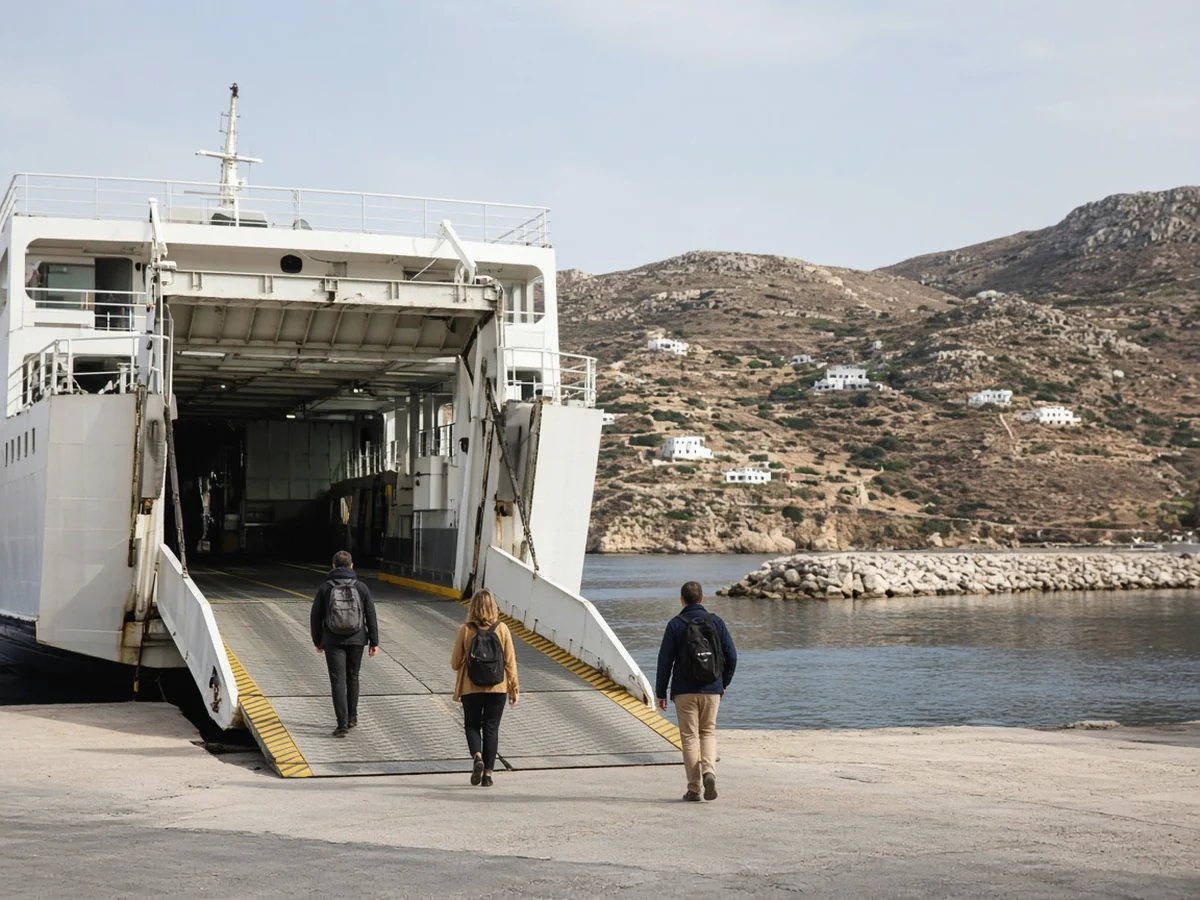
Folegandros is on both the Western Cyclades line (via Sifnos and Milos) and the southern line towards Santorini, which makes it an easy stop between those islands. The ships that used to sail as Zante Ferries now run under the Fast Ferries name; our ferries guide explains why. There’s no airport, so if you’re short of time, fly to Santorini or Milos and take a ferry from there. Read our ferries for beginners guide before you book.
Getting around Folegandros
| Option | Good for | Downsides |
|---|---|---|
| Local bus | Port – Chora, Chora – Ano Meria, and in summer some beach routes | Very limited out of season; check the timetable for your dates |
| Walking | Most beaches and villages | Hot and steep in summer; carry water |
| Beach boats | Katergo and other coves from the port | Weather-dependent |
| Scooter / car hire | Flexibility, especially for Ano Meria | Few roads; parking is limited near Chora |
| Taxi | Luggage and late ferries | Book ahead in summer |
Folegandros Buses publishes the full season timetable by period. In high summer the port bus runs roughly hourly from morning until around midnight, and there are several buses a day between Chora and Ano Meria. In winter, there are only a few buses a day, and none at weekends in the quietest months. Check the current timetable before you travel. You can manage Folegandros without a car; see Greek islands without a car.
When to visit Folegandros
| When | What to expect | Best for |
|---|---|---|
| May | Quiet, green-tinged hills, cool sea early on; fewer buses and boats | Walking |
| June | Warm, mostly open, not yet full | The best all-round month |
| July–August | Busiest and most expensive; the meltemi often blows | Book far ahead |
| September | Warm sea, calmer by the end of the month | Beaches and walking |
| October | Quiet; many places close during the month | Walkers who don’t mind closures |
| November–April | Very quiet, few services, fewer ferries | Not recommended for a first visit |
See our guides to the Greek islands in May, September and October for weather and sea temperatures across the Cyclades.
A realistic three-day Folegandros itinerary
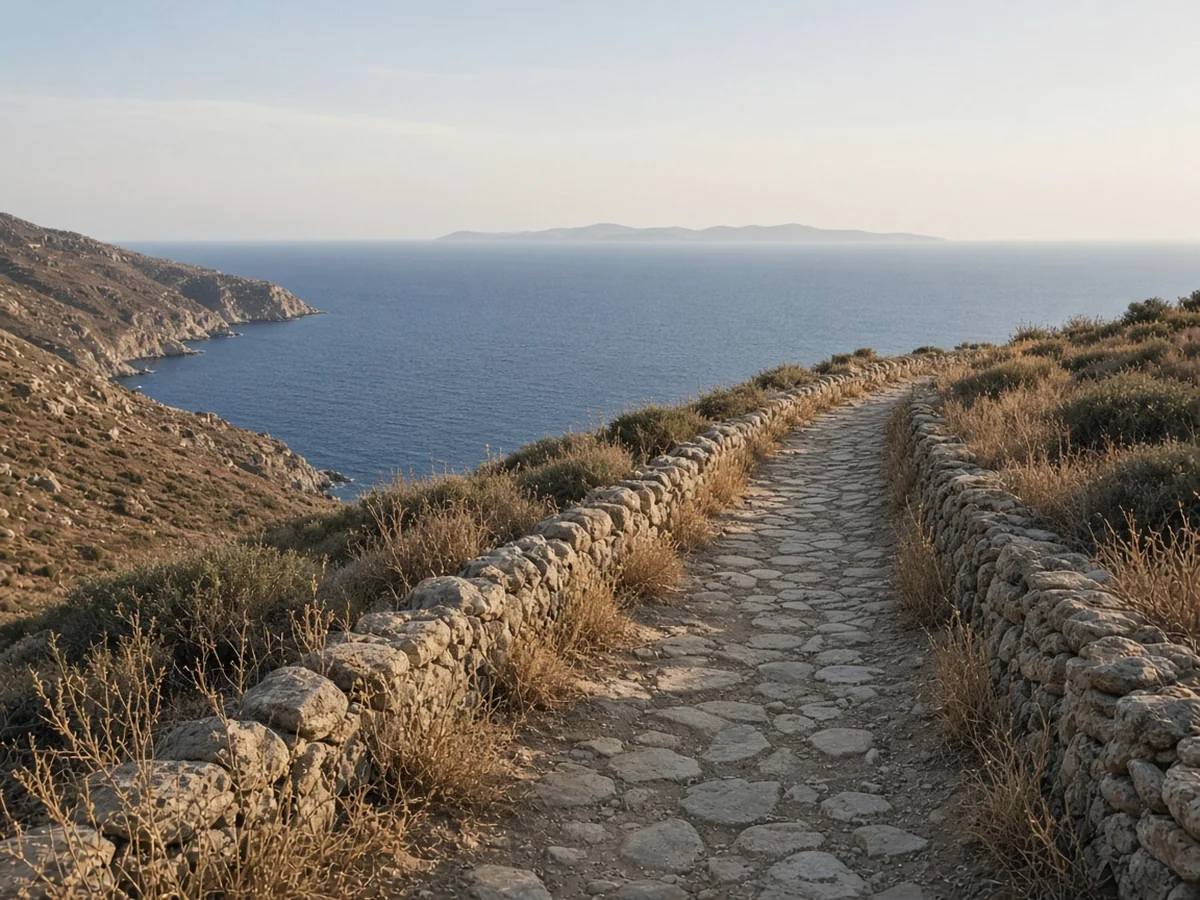
- Day 1: Arrive, settle in, swim at the port beach, and walk up to the Panagia for sunset. Dinner in Chora.
- Day 2: A beach boat to Katergo (if it’s calm) or the walk to Agios Nikolaos from Agali, then a lazy evening in Chora.
- Day 3: The bus to Ano Meria, the Ecomuseum and a walk down to a north-west cove. Lunch at a taverna in Ano Meria.
Folegandros pairs well with Milos, Sifnos or Santorini, and the 7-day and 14-day itineraries show how to build a route. To choose between Folegandros and Milos, see our Folegandros vs Milos guide.
Common mistakes to avoid
- Booking a room far from Chora without transport.
- Planning a tight ferry connection in meltemi season. Leave a spare day before an international flight.
- Walking to a beach in the midday heat without water, a hat and proper shoes.
- Arriving in July or August without a room.
Frequently asked questions
Is Folegandros worth visiting?
Yes, if you like quiet, walking and village life. Chora is one of the most beautiful villages in the Cyclades, and the island is much less crowded than Santorini. It isn’t for nightlife or easy sandy beaches by car.
How do you get to Folegandros?
By ferry. There’s no airport. Ferries run from Piraeus all year, taking about 3h40 to 4h35 on high-speed boats or around 7 hours on conventional ferries, and there are connections from Santorini, Milos, Ios and other Cyclades.
Do you need a car in Folegandros?
No. Local buses link the port, Chora and Ano Meria, and many beaches are reached on foot or by beach boat. A scooter or car adds flexibility, but parking near Chora is limited.
Where should I stay in Folegandros?
Chora for a first visit, for evenings and the bus connections. Karavostasis suits early ferries and an easy beach. Agali and Ano Meria are quieter but more remote.
How many days do you need in Folegandros?
Three to five days is ideal. That’s enough for Chora, a couple of beach days and a walk or two without rushing.
What is the best time to visit Folegandros?
June and September. July and August are busy, expensive and often windy. May and October are good for walking, but services are reduced.
Is Folegandros good for families?
It can be, for older children who like walking. With toddlers or a pushchair, the steep paths and steps make it harder, and the easiest beaches are by the port and at Agali.
Sources and useful links
- Municipality of Folegandros: official island site
- Folegandros Buses: season timetable
- Ferryhopper: Piraeus–Folegandros
- Ferryhopper: Santorini–Folegandros
- Ferryhopper: Folegandros–Milos
- Ferryhopper: Folegandros–Ios
- Fast Ferries: routes
Timetables and services change every season. This independent guide is for research and planning; always check current details with the operator before you travel.