Karpathos Travel Guide: Beaches, Villages and Bases
Last updated: November 2026

Before you travel: fares and schedules change often, and the prices and times on this page may be out of date. Always confirm current prices and times with the operator, or locally at the port or bus station, before you travel.
The short version
Karpathos is a long, mountainous Dodecanese island between Rhodes and Crete. It suits travellers who want beaches with a substantial landscape behind them: steep slopes, pine-fringed coves and villages that feel quite different from the waterfront. Olympos, in the north, is the best-known village, but the island deserves more than a hurried excursion to its famous lanes. The main planning mistake is to underestimate the shape of the place. A room near one lovely beach can leave you a considerable drive from the village or harbour you hoped to visit each evening.
For a first visit, choose whether your priority is an easy southern beach stay, the services of Pigadia or a quieter northern base. Three full days allow a useful introduction, not a complete circuit. A longer stay is more comfortable if you want mountain villages, several coastlines and time around Diafani. This is not an island where a list of ten stops makes a sensible single day.
Is it right for you?
| Your holiday | Our take | The compromise |
|---|---|---|
| Beaches plus mountain scenery | A strong combination | Road journeys are part of the holiday |
| Village culture | Olympos and other settlements are rewarding | Treat living traditions respectfully |
| Car-free short break | Possible with a carefully chosen base | Not the easiest way to explore widely |
Karpathos is a good match if you enjoy the journey between places and do not need every afternoon to run to a fixed plan. It is less suitable if winding roads make you uncomfortable or if you want a flat promenade connecting all the main sights. Families can have a very relaxed beach week here, but the right base matters more than an ambitious island circuit.
Where to stay
| Base | Why choose it | Before booking |
|---|---|---|
| Pigadia | Port, services and evening choice | A working town rather than a secluded cove |
| Amoopi | A southern beach-centred holiday | Confirm the walk between your room and your preferred bay |
| Lefkos | A quieter west-coast beach base | Less convenient for frequent town evenings |
| Diafani | Northern coast and access to Olympos outings | A separate base, not a suburb of Pigadia |
Pigadia is the practical starting point if you want restaurants without a drive after dinner. Amoopi suits a stay organised around swimming. Lefkos is worth considering when the beach matters more than town life. Diafani makes sense for travellers who deliberately want the north; switching bases can be better than repeatedly driving the length of the island.
Ask about steps, the walking route from the drop-off point and bedroom noise before booking. A sea view does not automatically mean easy access to the water.
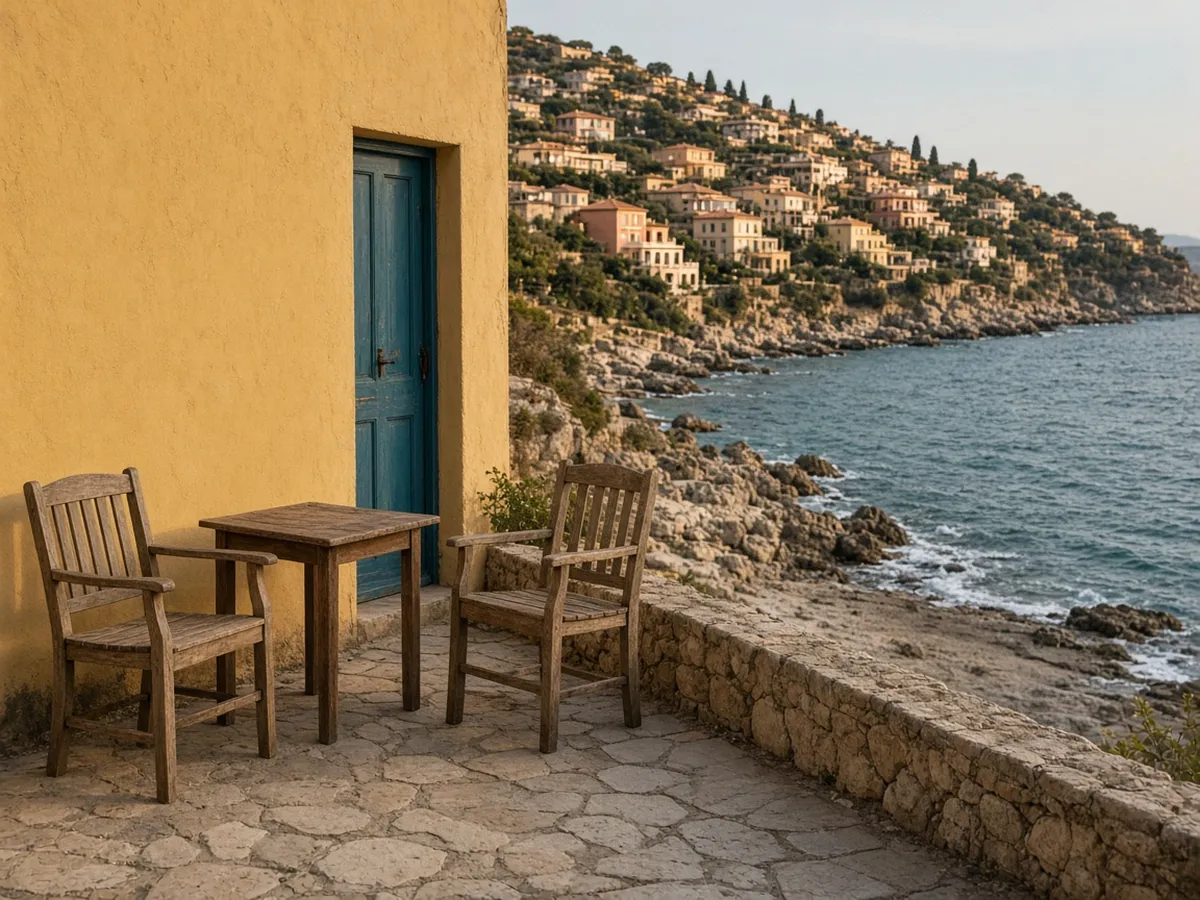
Beaches
| Beach | Why go | Practical catch |
|---|---|---|
| Amoopi | A choice of bays for a beach-focused stay | Check the exact beach and entry surface |
| Apella | Pines, a dramatic cove and clear water | The approach and parking need patience |
| Kyra Panagia | A beach framed by striking coastal scenery | A popular stop rather than a hidden discovery |
| Lefkos | Bays close to a relaxed seaside settlement | Conditions differ between neighbouring shores |
Apella and Kyra Panagia are appealing excursions, not places to race between for photographs. Choose one and give it a proper part of the day. Around Lefkos, look at the actual bay and wind direction before deciding where to swim. Do not assume a beach with facilities in peak summer has the same services earlier or later in the year.
Choose a beach to suit the conditions, not an old photograph. Check waves and entry points, carry water and sun protection, and leave stones, shells and plants where they belong.
Things to do beyond the beach
Olympos without the rush
Olympos is known for its living musical and cultural traditions as well as its setting. Walk slowly, buy something if you want to support a local business, and ask before photographing people. Traditional dress is not permission to treat residents as performers. Allow time for a meal and an ordinary conversation rather than making the village a short stop on a beach marathon.
The villages and mountain roads
The contrast between the inland settlements and the sea is a large part of the appeal. Plan one manageable village outing and stop where you can park without blocking daily life. A route that looks short across the map can still mean a winding drive. If the driver is spending all day watching bends, the itinerary needs fewer destinations.
Diafani and the northern landscape
Diafani offers a different perspective on the island, with a smaller coastal settlement and access to the north. Any boat outing should be confirmed locally for weather, return arrangements and landing conditions. Protected landscapes and wildlife are reasons to travel carefully, not invitations to seek out nesting places or approach animals. Stay on established routes and carry your litter back.
What to eat
Look for makarounes, the handmade pasta associated with Karpathos, and ask what the kitchen is preparing rather than expecting every taverna to serve the same version. Village meals can be a good reason to pause inland. Around the coast, seafood is an option, but availability and provenance are worth discussing. No meal budget is quoted here: check the menu before sitting down and agree any fish-by-weight order.
Ask the price and approximate total before ordering fish by weight. Explain dietary restrictions clearly rather than assuming a familiar dish always follows the same recipe.
How to get there
Karpathos has an airport, so compare flight options before assuming the long ferry journey is necessary. Check current routes with Aegean or Sky Express. Flight availability varies by origin and season; do not assume an international summer route operates in winter.
For sea travel, check Blue Star Ferries for the current route through the region. Karpathos has the ports of Pigadia and Diafani: the port on your ticket matters. Rhodes and Crete are geographical neighbours to consider, not guaranteed same-day connections. Match the ferry first, then arrange the room and transfer.
| Part of the journey | What to confirm |
|---|---|
| Before paying | Exact departure and arrival ports, travel date and passenger or vehicle ticket |
| If changing from a flight | Airport-to-port transport and a realistic delay buffer |
| On departure day | Current operator notice, weather and the boarding point named on your ticket |
Do not build your last island night around a tight connection to an international flight. Separate tickets do not protect each other when a boat is delayed. Read our Greek island ferries for beginners guide for boarding, luggage and cancellations. The route suggestions here are planning options, not a promise of a sailing on your dates.
Getting around
A hire car gives the most freedom for combining villages and beaches, provided you are comfortable on winding roads. Check rental restrictions before using unpaved tracks. A scooter is not a simple substitute for driving experience, especially in wind. Choose a vehicle and route you can handle, not one that only looks convenient on holiday.
Without a car, a beach base with food nearby is the easiest approach. Confirm actual bus routes and the last return before planning an outing; a route serving a village does not necessarily serve every beach below it. A prearranged taxi can solve a particular transfer, but should not be assumed available instantly in every remote location.
When to visit
Late spring and early autumn appeal for village outings and walks with less intense midday heat. High summer gives the fullest beach-holiday atmosphere but can also bring strong wind. Windsurfing appeal is not the same as ideal swimming conditions at every shore. In the quieter months, make sure your chosen village has the food, accommodation and transport you need.
| Season | Good reason to go | What to check |
|---|---|---|
| Spring | Walking and village visits before the busiest beach weeks | Accommodation openings, transport and changeable weather |
| High summer | The widest choice of visitor services | Heat, crowding and wind before a long outdoor day |
| Early autumn | A slower mix of swimming and sightseeing | Return sailings and the seasonal closing dates of businesses |
| Winter | A visit centred on everyday island life | A confirmed place to stay, meals and workable transport |
These are seasonal planning patterns, not a forecast. For wider comparisons see the best time to visit the Greek islands. Book the season you actually want: a quiet walking holiday and a full-service beach holiday need different compromises.
A realistic three-day plan
- Day 1: Use Pigadia or your southern base for a gentle start, a nearby swim and an evening meal without another long drive.
- Day 2: Choose Apella or Kyra Panagia for a substantial beach outing. Add a village pause only if it fits naturally.
- Day 3: Dedicate the day to Olympos and, if transport permits, Diafani. Start with a realistic road plan and do not add distant beaches.
Treat this as three full days on the island, not an arrival evening and two hurried mornings. If your boat comes in late, move the first outing to the following day. Keep one activity optional so the trip still works if the weather changes. Travelling with children or anyone who tires on steps is a good reason to remove a stop, not add a faster vehicle.

Honest downsides
Distance, wind and winding roads are the recurring compromises. A three-day holiday cannot comfortably deliver every celebrated beach and the whole north. Some attractive coves need more careful access planning than the pictures imply. If you want to do very little driving, accept a smaller area of the island and enjoy it properly rather than booking a remote room and expecting effortless daily sightseeing.
Choose a base where you would enjoy an ordinary day even if an excursion were cancelled. The island should suit your habits, not only your photographs.
Frequently asked questions
Is Karpathos worth visiting?
Yes for dramatic beaches, mountain scenery and village culture. It is less convenient for travellers who want to explore widely without road journeys.
How many days should I spend on Karpathos?
Three full days give an introduction. Allow a longer stay for both north and south without repeated long outings.
Do I need a car on Karpathos?
A car is useful for broad exploration. A car-free beach holiday works better if the room, meals and swimming are close together.
How do I get to Karpathos?
Fly to Karpathos or check current Blue Star sailings. Confirm whether a ferry uses Pigadia or Diafani before arranging your transfer.
Where should I stay on Karpathos?
Pigadia is practical for services, Amoopi for southern beaches, Lefkos for a quieter beach stay and Diafani for a deliberate northern base.
Is Karpathos suitable for families?
Yes with a carefully chosen beach and manageable transfers. Avoid a schedule dominated by winding drives and remote beach approaches.
Sources and useful links
- Visit Greece: Karpathos
- Discover Greece: Karpathos beaches
- Discover Greece: villages and food
- Blue Star Ferries: check current sailings
Transport and visitor access change. Check current details with the operator or site before travelling. Independent planning guide, updated November 2026.