Lesvos Travel Guide
Last updated: November 2026
Before you travel: fares and schedules change often, and the prices and times on this page may be out of date. Always confirm current prices and times with the operator, or locally at the port or bus station, before you travel.
The short version
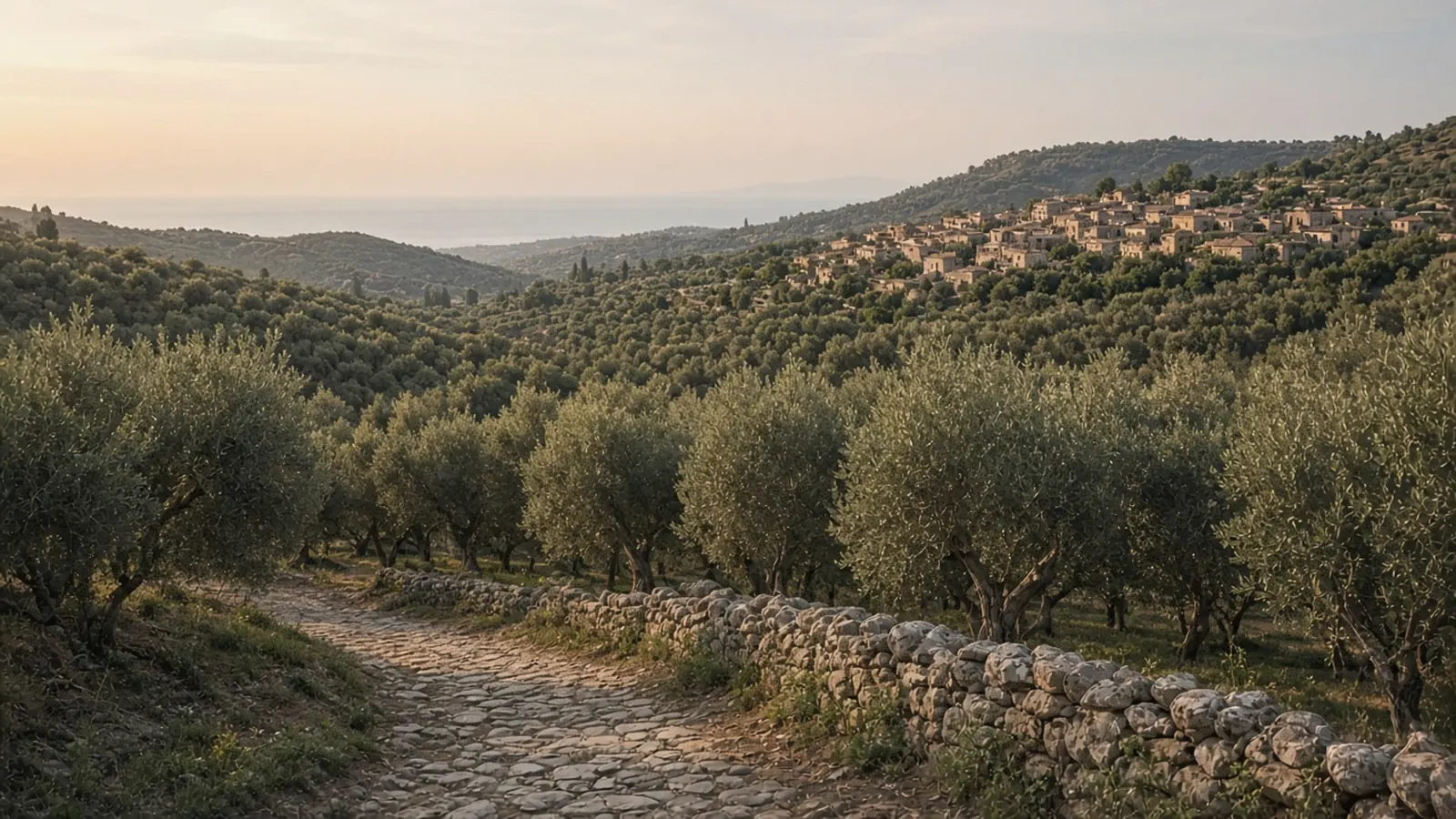
Lesvos is a large, varied island, not a single resort with a few optional outings. Mytilene is its capital and an arrival point, while Molyvos, Petra, Skala Eresou and the Gulf of Kalloni offer very different bases. Come for villages, olive landscapes, food, birds and long beach days, with enough time to explore one region properly. Lesbos is another spelling of the island name; Mytilene may appear in travel bookings, but a room in the capital is not a room near every beach.
For a first visit, choose a base around the holiday you actually want, then add a small number of outings. Three full days is the sample below, not a claim that the whole island can be covered in a weekend. Arrival and departure days need their own space. If connections are awkward, spend longer here rather than adding another island simply to make the itinerary look fuller.
Is it right for you?
Independent travellers, food-minded couples, nature enthusiasts and families prepared to choose a region rather than see everything at once. It suits a longer, slower stay more naturally than an island-collecting itinerary. It is less suitable for people expecting all major sights to sit within a short taxi ride of the airport, or seeking a uniformly white-and-blue Cycladic landscape.
| Priority | How to judge the fit |
|---|---|
| Daily swimming | Choose the shore and entry conditions, not just a room with a sea view. |
| No driving | Match your base to verified local transport and walkable meals. |
| Culture and villages | Allow time to linger; do not turn every stop into a transfer. |
| A very short visit | Compare the whole door-to-door journey before booking. |
Where to stay
Start with the area, then compare individual rooms. A good address for someone with a vehicle may be awkward for someone arriving with a suitcase and no local transport. These are base choices, not hotel rankings or promises about room prices.
| Area | Why consider it | Trade-off |
|---|---|---|
| Mytilene | Arrival convenience, museums and everyday city life | Urban setting; longer trips to western beaches |
| Molyvos / Mithymna | Stone lanes, harbour atmosphere and a northern base | Slopes and steps; check parking or bag access |
| Petra | A beach-oriented northern stay | Room location matters for noise and road crossings |
| Skala Eresou | A west-side beach holiday | A substantial transfer from the capital |
| Kalloni area | Birding-focused outings and central positioning | Different from an open-sea resort; choose the exact shoreline |
Before reserving, ask about the exact arrival route, steps, luggage access, nearby food shops and noise. Check whether the bedroom faces a busy road or waterfront, and whether the return walk after dinner is lit and comfortable. A map pin can hide a climb; recent photographs of the approach are often more useful than another balcony photograph.
Beaches and swimming
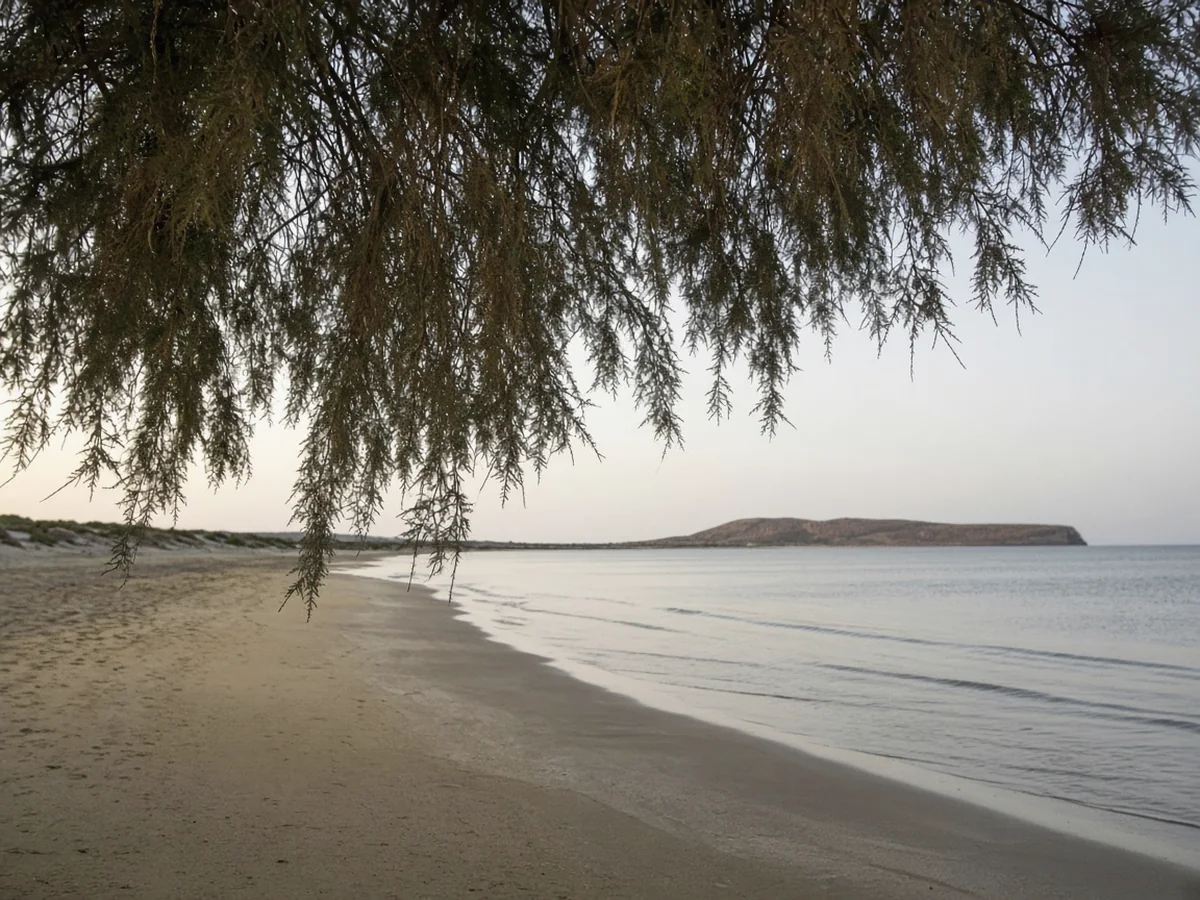
Petra and nearby northern coastal areas are natural options when staying around Molyvos. Skala Eresou gives a different west-side beach experience, worth choosing as a base rather than treating as a quick swim from Mytilene. The Gulf of Kalloni has its own landscape and shallow coastal setting, not the same character as an open-Aegean shore. Match the beach to your priorities for sand, entry, shade and facilities. On such a large island, a ranked list matters less than a manageable journey and suitable conditions.
Treat sea conditions as a daily decision. Choose a sheltered alternative or stay out when the water is rough, especially with children. Take water, sun protection and footwear appropriate to the shoreline. Facilities can be seasonal, and a beach being described as organised does not establish current lifeguard cover, free shade or an open cafe. Never leave the return journey to guesswork if you arrive by boat.
Things to do beyond the beach
Give Mytilene time for its waterfront, older districts and cultural stops instead of treating it solely as an airport transfer. Molyvos rewards an unhurried walk through stone streets, while Agiasos offers a contrasting inland village outing. The Petrified Forest and the museum at Sigri provide a strong western focus; check the exact museum and outdoor-site access separately. Birdwatching around Kalloni is best planned as a nature visit, keeping distance from feeding birds and using established viewing places rather than walking into sensitive habitat.
Food and easy meals
Olive oil and ouzo are important parts of the island food identity, with Plomari a recognisable place to explore that tradition. Pair a tasting with a sober driver or arrange transport. Sardines associated with Kalloni, vegetable dishes and local cheeses can make a meal more interesting than ordering the same grilled plate every night. Ask what is seasonal and available. Do not repeat health claims about olive oil or hot springs as a reason to buy or try a product.
How to get there
The airport serves Mytilene, so compare flights with the complete ferry journey if the trip is short. Check available air routes for your dates; seasonal international services are not a winter guarantee. Ferry arrivals are generally planned around Mytilene: confirm current services and fares with Hellenic Seaways and its linked booking system. Establish the onward transfer before selecting a remote resort. A late arrival into the capital should not be treated as an effortless last-minute drive across the whole island.
For current availability, times, ticket conditions and fares, check Hellenic Seaways directly. No fixed departure times or fare estimates are used here. Reconfirm the departure port, destination port, vessel type and luggage arrangements on the actual booking. Read our ferry guide for beginners before committing to a tight connection. Separate tickets usually mean separate risks if the first leg is delayed.
Getting around
A car is useful for a varied holiday, though a beach-focused stay can work with a confirmed transfer and selected excursions. Choose fewer destinations each day and allow for winding inland roads. Public buses may help with particular routes, but check both directions before relying on them for sightseeing. If splitting bases, make it a purposeful regional move rather than changing rooms every night. Mytilene, the northern coast and the far west are distinct parts of the trip.
When to visit
Late spring and early autumn are sensible starting points if you want time outside as well as swimming, but they are not guarantees of beach weather. July and August bring hotter walking conditions and more demand for popular accommodation and shore space. The best month depends on whether you value open services, quieter evenings or a particular activity most.
| Season | Planning approach |
|---|---|
| Spring | Good for village walks; check seasonal openings and do not assume warm swimming. |
| Early summer | Balance beach time with outings before the strongest midday heat. |
| High summer | Reserve key transport, start walks early and allow for crowded popular spots. |
| Autumn | Keep a weather alternative and confirm which services remain open. |
| Winter | Plan around everyday settlements and verified transport, not a summer resort programme. |
Wind, rain and individual sea conditions matter more than a neat monthly average. We have not used temperature tables or promised a particular sea temperature. For the wider seasonal picture, see the Greek islands in September. If travelling for a festival, ask for the confirmed programme; a recurring tradition is not a verified date for your year.
A realistic three-day plan
This is a pace suggestion for three full days based on the island, not three days including two long transfers. Swap the days around for weather, openings and your arrival point. If you have less time, remove an outing rather than compressing all of it.
- Day 1: Explore the area around your base; if starting in Mytilene, keep the first afternoon for the town rather than a distant beach.
- Day 2: Spend a day in one nearby region: Molyvos and Petra from the north, or Sigri and the Petrified Forest from the west.
- Day 3: Choose a village-and-food outing or time around Kalloni if that matches your interests, then return without adding another island-wide detour.
Honest downsides and common mistakes
Size is the main planning trap. A single attractive hotel can leave you far from the places you hoped to visit. Driving all day undermines the slow pace that makes the island appealing. Summer heat changes walking plans, and quieter resorts lose services outside the main season. A city base and a beach base are not interchangeable experiences.
The avoidable mistakes are mostly practical: booking a view without checking access, planning too many regions in one day, and treating a summer transport description as a year-round timetable. Tell your accommodation about mobility needs before reserving. Do not assume that an old stone village, a beach path or a boat landing is step-free simply because it appears in a family itinerary.
Before you book
Check the exact accommodation access, both directions of local transport and cancellation terms before paying. Keep an alternative for a rough-sea day and leave a sensible buffer before an important onward connection.
Frequently asked questions
Is Lesvos worth visiting?
Independent travellers, food-minded couples, nature enthusiasts and families prepared to choose a region rather than see everything at once. It suits a longer, slower stay more naturally than an island-collecting itinerary. It is less suitable for people expecting all major sights to sit within a short taxi ride of the airport, or seeking a uniformly white-and-blue Cycladic landscape.
Where should I stay in Lesvos?
Mytilene is a useful first option if its strengths match your trip: arrival convenience, museums and everyday city life. Compare the other areas above before choosing; convenience and beach access are not always the same thing.
Do I need a car on Lesvos?
A car helps with the dispersed sights, but a regional beach stay can work with arranged transfers. Avoid planning the whole island by public transport without checking routes.
How many days should I spend on Lesvos?
Allow at least three full days for the selective plan in this guide, with longer if you want several regions or slow beach days. Count arrival and departure time separately.
When is a good time to visit Lesvos?
Late spring and early autumn are useful starting points for mixed sightseeing and beach plans. Verify seasonal services and leave room for wind or rain; no month guarantees swimming conditions.
Where can I check current ferries to Lesvos?
Use Hellenic Seaways for your actual date and verify the exact ports. This guide does not retain unverified departure times or fares.
Sources and useful links
- Visit Greece – official destination information
- Official background and visitor planning
- Hellenic Seaways – check current sailings
- Natural History Museum – Petrified Forest visits
Travel services and visitor access change. Check current details directly before booking; adapt walks and swimming to local conditions.