Best Greek Islands for Beaches, by Beach Type
Last updated: November 2026
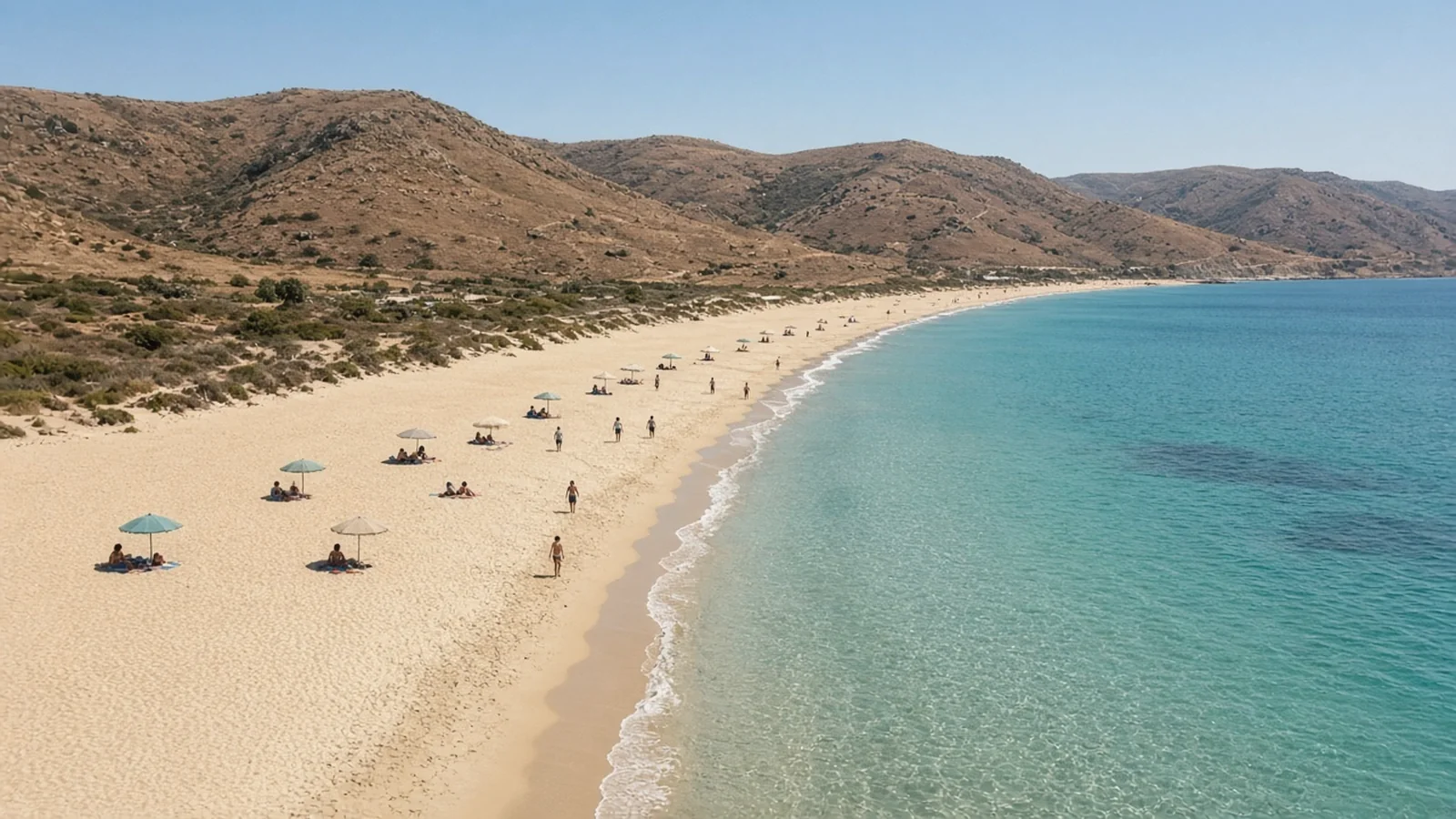
Short version: for long sandy beaches, choose Naxos, Crete or Skiathos. For unusual rock and volcanic coves, Milos is in a class of its own. For brilliant white-pebble beaches under cliffs, look at Kefalonia and Lefkada. For turquoise water and a small-island feel, Koufonisia and Antiparos. And for sheer variety, Crete wins. The one thing that changes everything is wind: pick an island with beaches on more than one coast.
Almost every Greek island has good swimming, so this guide is about matching beach type to the trip you want. For families specifically, see the best islands for families; for quiet, see the least touristy islands.
Before you travel: fares, schedules, opening hours, tax rates and seasonal rules change often, and the details on this page may be out of date. Always confirm current prices, times and rules with the operator or the official site, or locally, before you travel.
Quick answer
| You want… | Best islands | Why |
|---|---|---|
| Long soft sand, shallow water | Naxos, Crete, Skiathos, Paros | Wide sandy bays that shelve gently |
| Strange rocks and coves | Milos, Santorini | Volcanic shapes and colours, best explored by boat |
| White pebbles, blue water | Kefalonia, Lefkada, Paxos | Bright pebble crescents below cliffs |
| Turquoise, small-island feel | Koufonisia, Antiparos | Short walks between sandy coves |
| Most variety | Crete | North, south and west coasts all different |
| Out of the wind in August | Ionian islands, south coasts in the Cyclades | Less meltemi exposure |
How we chose
We grouped islands by the kind of beach that makes them special, using our own island guides, and weighed in access (can you get there without a boat or a car?), facilities, and how exposed each coast is to the summer wind. We have not used beach rankings from booking or review sites. Blue Flag awards, run in Greece by the Hellenic Society for the Protection of Nature for the Blue Flag programme, are a useful check on water quality and facilities, but many lovely beaches have none simply because they are wild.

Long sandy beaches
Naxos. The west coast south of the main town is a run of long sandy beaches with shallow, clear water: Agios Georgios at the edge of town, then Agios Prokopios, Agia Anna, Plaka and quieter stretches beyond. Buses reach the main ones. It is one of the easiest beach islands in the Cyclades. See best beaches in Naxos.
Crete. Endless choice, from busy resort strips on the north coast to the long sands of Falassarna in the west and quieter coves on the south coast. The lagoon beaches of Balos and Elafonisi are spectacular but protected, busy and a long trip; see Balos and Gramvousa and where to stay in Crete.
Skiathos. A small, green island in the Sporades with a famous number of sandy beaches along its south coast, including Koukounaries, backed by pine woods. Easy by bus along the main coast road. See Skiathos.
Paros. Golden sand on every side of the island, including family beaches near Naoussa and Parikia and the wind-sport beaches of the south-east. See Paros.
Rock coves and volcanic beaches
Milos is the beach island for people who are bored of beaches. Volcanic activity left white, red, ochre and grey rock carved into arches, ledges and sea caves, and there are dozens of coves, many best reached by boat. The famous white rock moonscape at Sarakiniko is a swim-from-the-rocks place, not a sunbed beach. Wind direction decides where to go each day. See best beaches in Milos and Milos boat trips.
Santorini has dark volcanic sand at Kamari and Perissa and coloured cliffs elsewhere. The sand gets very hot, and some cliff-backed beaches have had access restrictions for rockfall risk. A caldera boat trip, with a swim near the volcano, is often the best water experience. See Santorini.
White-pebble beaches and cliffs
Kefalonia has long crescents of white pebble under cliffs with brilliant blue-green water. Myrtos is the most photographed, but rockfalls in July 2026 led to safety measures, and its access road is due for repair works (reported by local media, July to October 2026). Check before you go. Sandier alternatives are around Lassi, the south coast and the Lixouri peninsula. See Kefalonia.
Lefkada, joined to the mainland by a causeway and bridge, has dramatic west-coast beaches below high white cliffs, with steep steps or long access roads; some access has been affected by past earthquakes and rockfalls. The east coast is calmer and greener. See Lefkada.
Paxos is small, with pebble coves, sea caves and very clear water, best by small hired boat. See Paxos.
Wild and remote bays
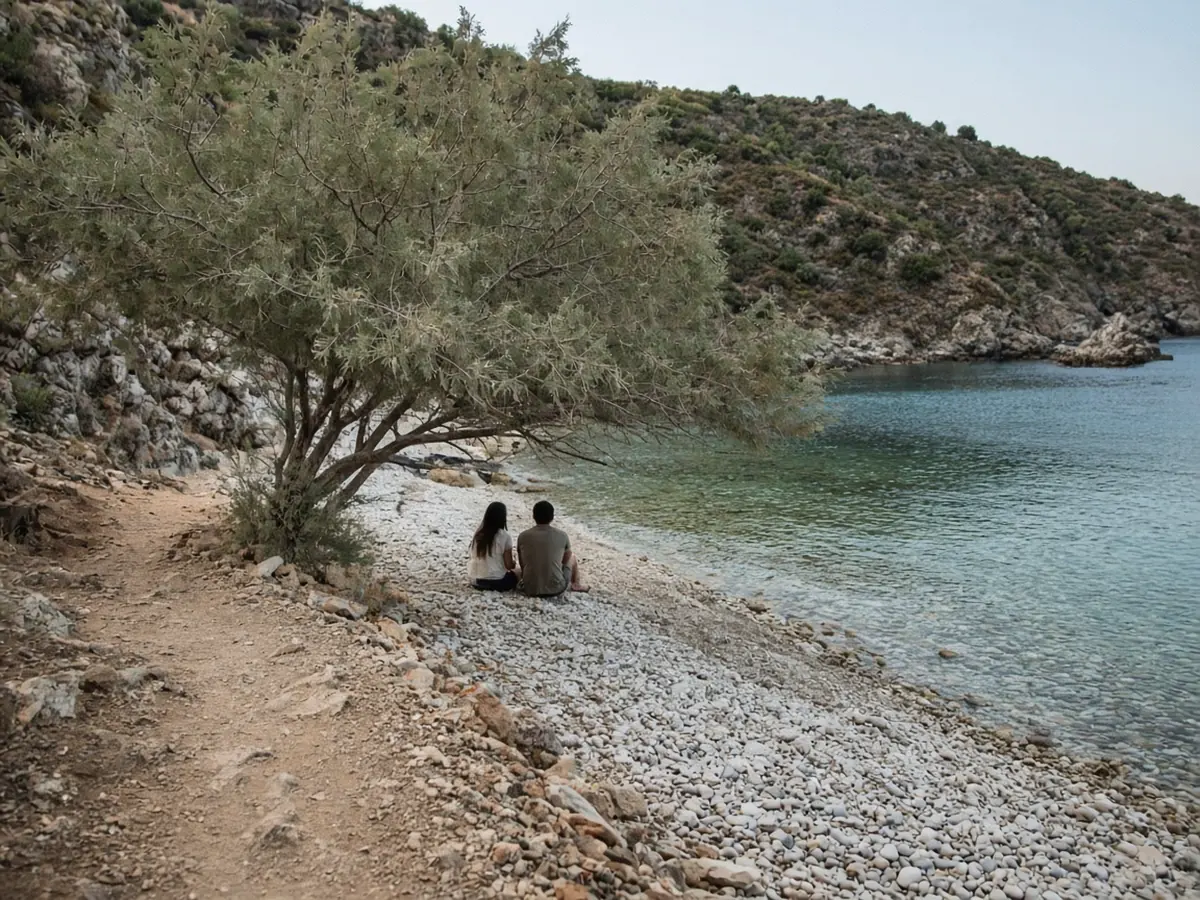
Koufonisia, in the Small Cyclades, has some of the most turquoise water in Greece and sandy coves linked by a coastal path; it is tiny, simple and busy in August. Antiparos has relaxed sandy beaches a short boat ride from Paros. For true wildness, look at islands with few roads, such as Folegandros, Amorgos or Donousa, where some beaches need a hike or a summer boat. See Koufonisia and the Small Cyclades.
More islands worth a look
Rhodes and Kos. Rhodes’ east coast has sheltered, mostly sandy bays, from Tsambika to the beaches below Lindos, while the west coast is windier and suits windsurfers. Kos has long sandy beaches on both its north and south coasts and is flat enough to cycle between some of them. Both are easy, well-served beach islands with long seasons. See Rhodes and Kos.
Karpathos. Wilder and less visited, with turquoise coves on the east coast, some reached by boat from the main town, and a strong wind on the west that draws kitesurfers. See Karpathos.
Thassos and Lemnos. In the north Aegean, Thassos has pine-backed beaches all round the island, and Lemnos has long sandy beaches and dunes with very few crowds. The season is shorter than in the south. See Thassos and Limnos.
Corfu. Clear pebble coves on the north-east coast, long sandy sunset beaches on the west, and dunes in the south-west; calmer seas than the Cyclades in summer. See Corfu.
Mykonos and Ios. Both have excellent sandy beaches, but many are organised around beach clubs, sunbeds and music. Great if that is what you want; less so for a quiet swim in August. See Mykonos beaches and Ios.
Best for families
| Island | Why it works | Note |
|---|---|---|
| Naxos | Shallow sandy beaches by bus from town | Some west-coast beaches catch the wind |
| Paros | Sheltered sandy bays near Naoussa | Busy in August |
| Crete | North-coast resorts with facilities; huge choice | Long transfers between regions |
| Skiathos | Sandy south coast with pine shade | Aircraft noise near the airport |
| Corfu | Shallow north-coast beaches, calmer seas | Avoid party resorts in peak weeks |
| Zakynthos | Shallow sand at Tsilivi and Alykes; turtle beaches | Marine park rules on nesting beaches |
See Naxos with kids and Paros with kids. Zakynthos turtle-beach rules: National Marine Park of Zakynthos.
Wind: the thing that decides your beach
In July and August, the meltemi blows from the north across the Aegean, often strongly. On a windy day, a north-facing beach can be sand-blasted and rough while one on the south coast is calm. That is why islands with beaches facing several directions, such as Naxos, Paros, Milos and Crete, are so useful: you can always find shelter. The Ionian islands are generally calmer in summer. Our meltemi guide explains how to read the forecast; the national weather service issues wind warnings.
Practical beach tips
- Sunbeds: organised beaches rent sunbeds and umbrellas, sometimes with a minimum spend at busy spots. Free sections and wild beaches have none: bring shade.
- Water shoes help on pebble beaches, rocks and sea-urchin areas.
- Rockfall: on cliff-backed beaches, stay away from the foot of the cliff and respect closures.
- Turtles: on nesting beaches, keep off the sand at night and don’t dig deep holes or leave umbrellas behind.
- Season: the sea is warmest from about July to September; June and October are often pleasant for strong swimmers. See June and October.
- Plastic and fires: take your rubbish with you, and never light a fire or barbecue on a beach or in pine woods in summer; fire bans are strict and the risk is real.
- Lifeguards: many organised beaches have a lifeguard in summer, but most wild beaches do not. Swim within your depth on windy days, when currents can be strong.
- Nudism: it is tolerated on a few remote or traditionally naturist beaches, but not on family or town beaches. Topless sunbathing is common on most tourist beaches.
- Boat days: many of the best coves on Milos, Paxos and Zakynthos are easiest by boat trip or by hiring a small boat.
Frequently asked questions
Which Greek island has the best beaches?
It depends on the beach type. Naxos and Crete for long sand, Milos for volcanic coves, Kefalonia and Lefkada for white pebbles, and Koufonisia for turquoise water.
Which Greek islands have the best sandy beaches?
Naxos, Crete, Skiathos and Paros, all with long sandy bays and shallow water in places.
Which Greek island has the clearest water?
Most have very clear water. Milos, Koufonisia, Paxos and the white-pebble beaches of Kefalonia and Lefkada are especially striking.
Which islands are best for beaches without wind?
The Ionian islands are generally calmer in summer. In the Cyclades, choose an island with south-facing beaches, such as Naxos, Paros or Milos.
Which Greek island is best for a family beach holiday?
Naxos, Paros, Crete, Skiathos and Corfu all have shallow sandy beaches with facilities.
Can you swim at Navagio or Myrtos?
Check before you go. Navagio stayed closed to landings and swimming in 2026, and Myrtos had rockfalls in July 2026 with safety measures in place.
Sources and useful links
- Blue Flag programme
- Blue Flag Greece (EEPF)
- National Marine Park of Zakynthos
- Hellenic National Meteorological Service
Beach access can change after rockfalls, storms or new protection rules, and organised facilities vary each season. Check local advice and signs before you go.